


PowerOutage.us tracks more than 950 utilities serving over 200 million customers and watches information gaps open during every major blackout. An emergency radio tops our storm kit list and is crucial for getting information during a long outage.
Radio broadcasts: Start with NOAA and local AM
Radio keeps broadcasting when the grid, cell towers, and internet all fail. NOAA Weather Radio broadcasts warnings, forecasts, and emergency messages around the clock on seven frequencies from 162.400 to 162.550 MHz. Each transmitter reaches about 40 miles, and the network directly reaches roughly 70 to 80 percent of the US population, so check your reception before storm season. Emergency radios, many walkie-talkies, and scanners all pick it up.
Local AM and FM stations fill in details like shelter openings, boil-water notices, road closures, and restoration updates. They also carry Emergency Alert System messages. A dedicated battery or crank radio in the kit costs less than a pizza and provides crucial information.
Phone communication without internet
Text messages often go through when calls and data fail, because SMS uses a sliver of network capacity and retries until it gets delivered.
Wireless Emergency Alerts arrive on their own
Government warnings automatically arrive on every phone in the area with no app, no signup, and no internet.
FEMA finds shelters by text
Text SHELTER and your ZIP code to 43362, and FEMA replies with nearby open shelters. Standard rates apply, and it works across the continental US.
Your utility texts outage status
Most utilities run automated outage lines and SMS alerts. Register your account before the storm so you get automatic restoration estimates.
Ration the battery
Use low power mode, put the screen brightness down, and turn on airplane mode between check-ins to stretch a phone battery. Our guides cover how to charge a phone during a power outage and which power banks for power outage duty earn a spot in the kit.
New phones text through satellites
iPhone 14 and newer, plus recent Samsung and Pixel flagships, send messages via satellite with zero towers. It does drain the battery, so use it as a last resort or get a satellite communicator before storm season instead.
Use your car safely
Your car receives AM and FM and charges phones over USB. Park it in the open air and listen to the top-of-the-hour local news while your phone charges.
However, vehicles must operate only outdoors to prevent carbon monoxide poisoning. Never run the car in a garage, even with the door open. The same goes for using a generator or camp stove in an outage.
Coordinate with an out-of-area contact
A designated contact outside the outage area improves family communication and reduces confusion. Everyone in the family texts that person, and that person, sitting somewhere with power and internet, relays news, watches the forecast, and follows restoration progress on the PowerOutage.us map for your county.
Record important phone numbers on paper and agree on simple check-in messages and scheduled communication times before storm season begins. This will help reduce unnecessary phone use during an outage, too.
Use radio-to-radio communication
Radio-to-radio communication keeps the family talking after cell phones die. A set of walkie-talkies covers the house, the block, and the neighborhood check-in rounds with simple battery power.
For reaching anyone beyond radio range, a satellite communicator sends two-way messages through the Iridium network from any open sky.
Lessons from recent blackouts
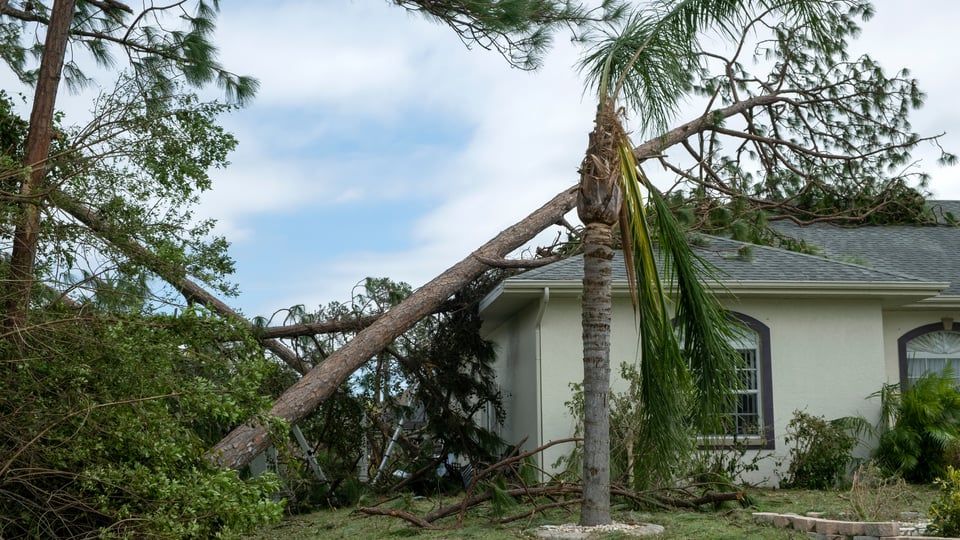
Hurricane Helene knocked out 4.79 million customers in September 2024, and western North Carolina spent weeks with power and communications down. People outside the region often knew more about restoration than the people living in it, which is exactly the situation an out-of-area contact is there for.
Also, Hurricane Milton cut power to 3.4 million Florida customers in October 2024, with power cycling on and off for days. Restoration confusion is its own hurricane power outage problem, and a radio plus utility text alerts work better than refreshing a dead browser.
Prepare before storm season
Preparation ahead of storm season turns an outage-information scramble into a plan you already know before the storm arrives.
- Put a battery or crank radio, with spare batteries, in the power outage emergency kit.
- Write down your NOAA frequency, your utility's outage line, and the out-of-area contact on paper.
- Register for your utility's text alerts and your county's emergency notifications.
- Agree on family check-in times so phones stay off between them.
- Fold it into your storm prep before the season starts.