Home Battery Backup
Keep your home powered during outages with clean, silent battery backup. Compare systems, understand costs, and find the right solution.
Battery capacity calculatorThe Complete Home Battery Backup Guide
Home battery backups provide residential power when the grid fails, but it’s important to understand the costs and benefits.
Continue readingWhy get a home battery backup system?
What battery capacity do you need?
The right battery size depends on your essential load and how long you want backup power to last. Add up the circuits that matter most, multiply that hourly demand by your target outage duration, and adjust for usable battery capacity.
Battery capacity calculator
Essentials-only backup estimate
Recommended storage
Single home battery
7.4 kWh
Estimated battery capacity needed for 8 hours of essentials-only backup.
Continuous power
1.3 kW
Estimated continuous load for essentials-only coverage.
Peak power
3.6 kW
Headroom for startup spikes from motors and compressors.
Share this estimate
Share your current calculator configuration.
Get Started
Home Backup Design Tuned to Your Region
Sponsored by Tesla Energy
Backup power comparison
Home Battery Backup vs Backup Generator
Home battery systems and generators solve outages in very different ways. Batteries switch on almost instantly and run quietly with no direct emissions, while generators trade startup delay and fuel use for long runtime.
| Feature | Battery | Generator |
|---|---|---|
| Runtime | 8-24+ hours | Unlimited with fuel |
| Fuel requirements | None | Gasoline, propane, or natural gas |
| Noise level | Silent operation | 60 to 80 dB |
| Maintenance | Minimal | Regular oil changes, testing |
| Emissions | Zero | Carbon monoxide, exhaust |
| Installation location | Indoor or outdoor | Outdoor only |
| Operating cost | $0 per hour | $5 to 15 per hour |
| Upfront cost | $10,000 to $25,000+ | $3,000 to $15,000+ |
| Lifespan | 10 to 15 years | 10 to 20 years (2,000 to 3,000 hours) |
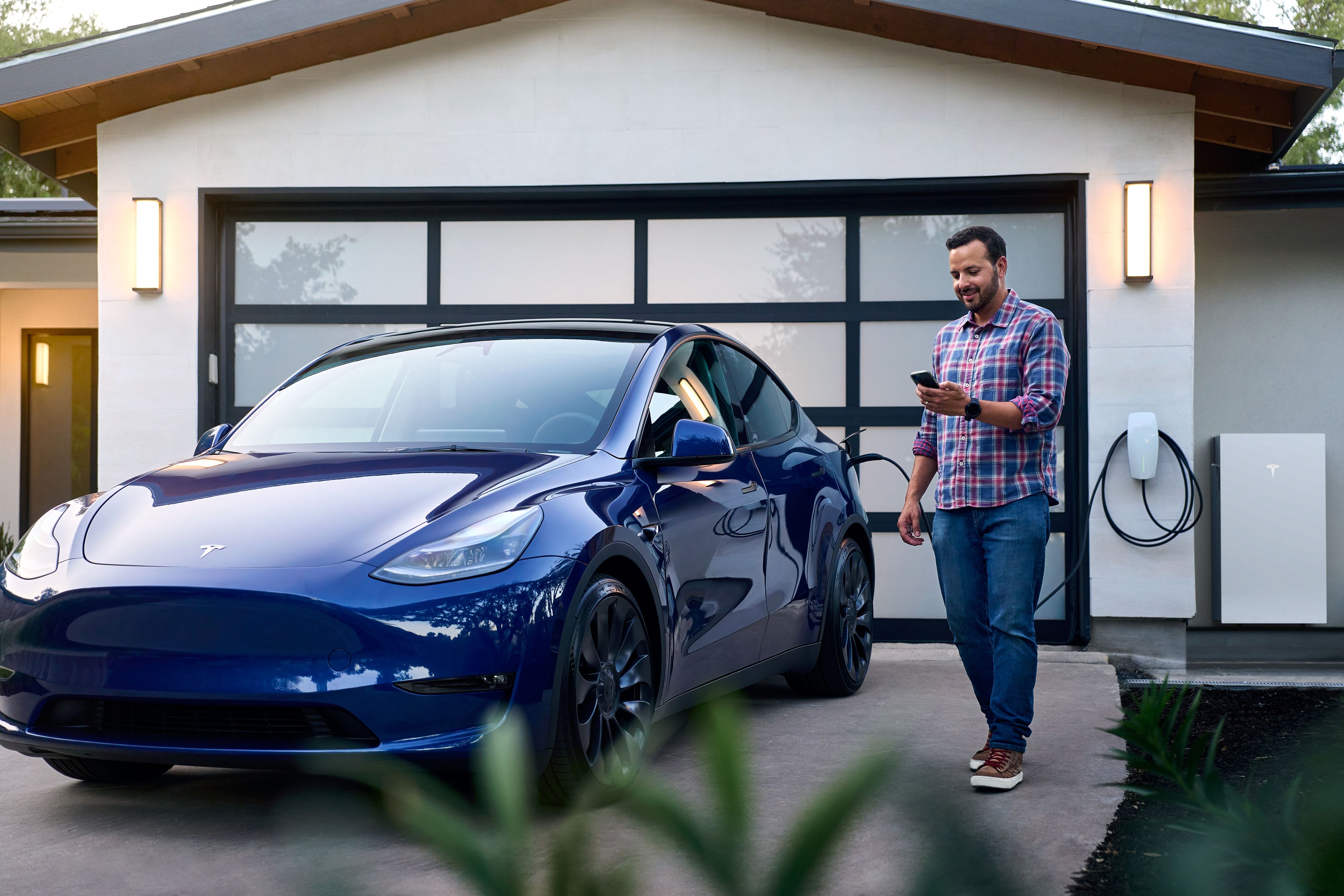
Can an EV Power Your Home During an Outage? V2H Guide
A compatible EV can power home circuits through an approved bidirectional charger, gateway, and transfer system depending on output and installation.
Can an EV Power Your Home During an Outage? V2H Guide
A compatible EV can power home circuits through an approved bidirectional charger, gateway, and transfer system depending on output and installation.
Read more5 Best Whole-Home UPS Systems for Smart Home Protection
EcoFlow DELTA Pro Ultra X with Smart Home Panel 3 is the best overall system for 12 kW output, 32 circuit controls, and advertised transfer under 20 ms.
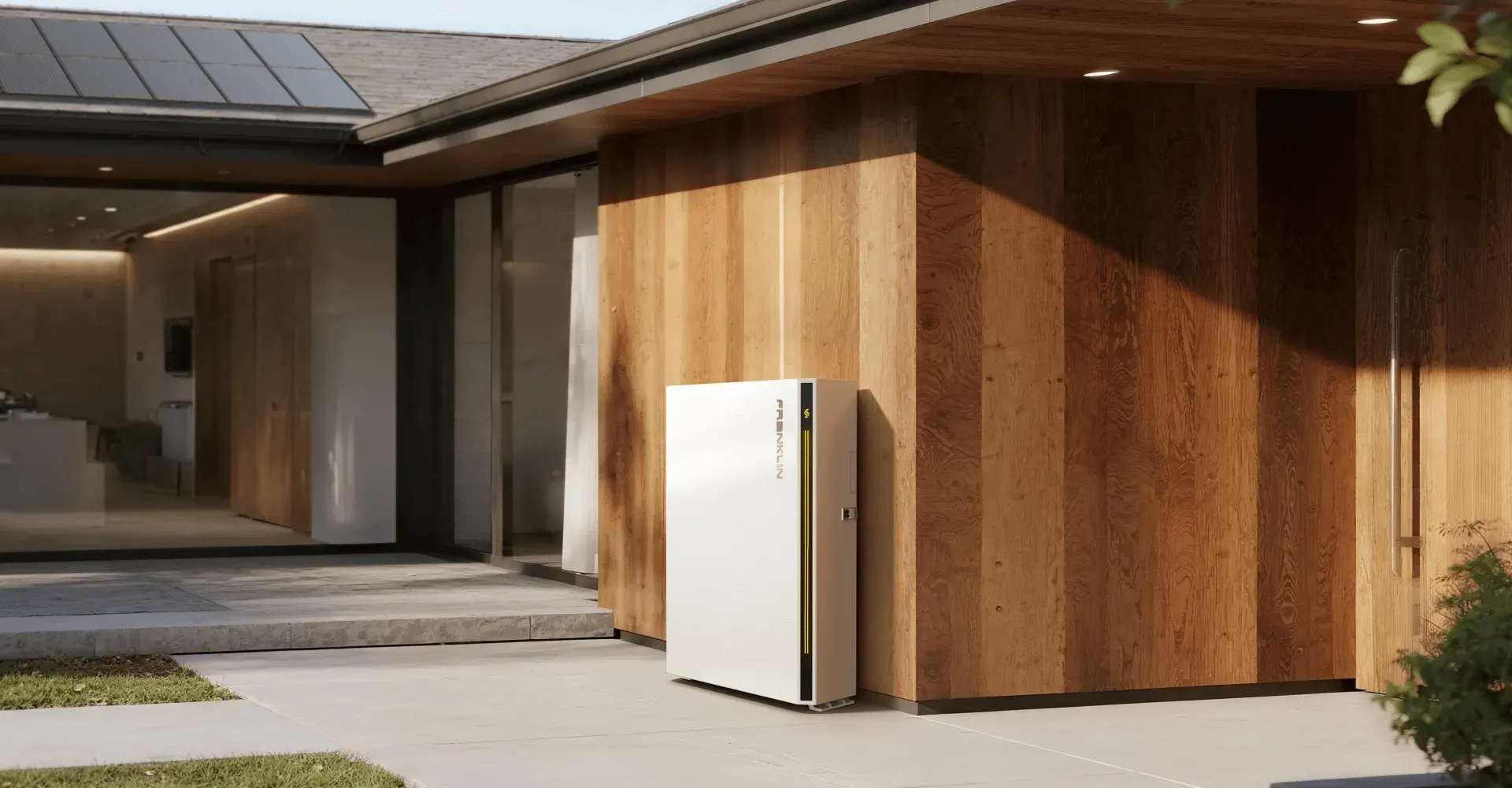
5 Best Power Inverters for Your Car During Power Outages
The BESTEK 300 W Pure Sine Wave is the best overall plug-in car inverter, while direct-battery inverters require more safety planning.
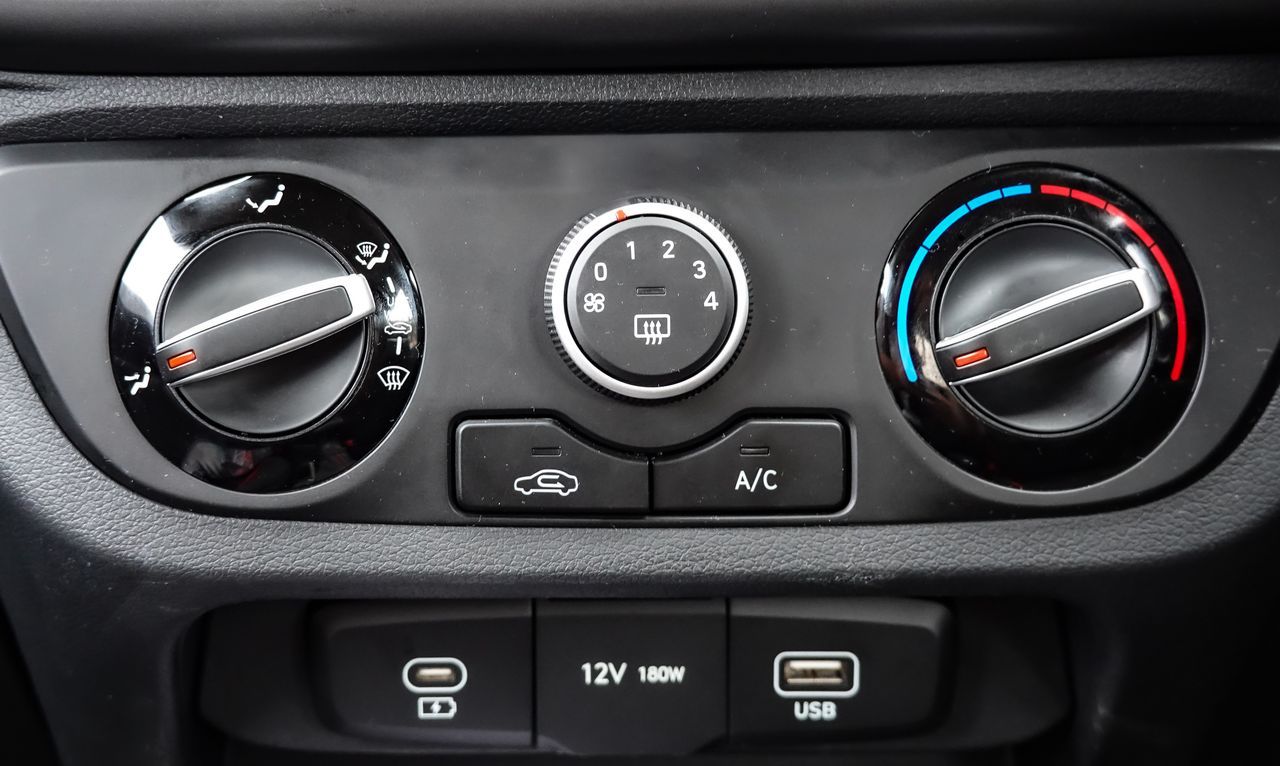
5 Best Solar Panel and Power Station Bundles for Emergency Prep
EcoFlow DELTA 2 Max leads these emergency solar generator bundles with 2,048 Wh, 2,400 W output, and expandable battery and solar capacity.
5 Best Battery Backups for Home Security Cameras
The best home camera battery backup is the Tripp Lite INTERNET750U since it covers a router-and-NVR stack with 6 battery-backed outlets.
Frequently asked questions
Quick answers to common home battery backup questions.
Leading systems like Tesla Powerwall 3, Enphase IQ Battery, and FranklinWH provide reliable lithium-ion storage, deliver whole-home or essential-load backup, and have positive reviews from customers.
You don’t need solar panels to have a home battery backup system. Battery backup systems function without solar panels by charging from the grid during off-peak hours when electricity rates are lowest. Grid-connected battery systems provide the same outage protection as solar-coupled units.
Backup duration depends on battery capacity and essential load. A typical 13.5 kWh system powers 1 or 2 kW of circuits for 8 to 24 hours, while larger multi-battery setups extend runtime into multi-day outages.
Most systems include an energy management app that tracks battery state-of-charge, reports power flow, and alerts homeowners to outages. Smart monitoring platforms optimize charge and discharge for savings and reliability.
Yes, you can run the A/C and fridge if the inverter and battery support the combined load. Refrigerators draw 100 to 800 W, while central A/C requires 3,000 to 5,000 W. Larger systems or multiple batteries enable both to run during outages.
A typical 2,000 sq ft home uses 20 to 30 kWh daily. Essential-load backup usually needs 10 to 20 kWh of storage, while whole-home backup requires 20 to 40 kWh, depending on appliances, HVAC, and outage duration.
More energy solutions
Keep your home powered and your bills low.