


PowerOutage.us tracks more than 900 utilities across the United States and watches summer outages unfold in real time. We've seen why storm prep has to include locating a safe place to cool when household electricity disappears.
How to cool without electricity
Cooling without electricity is most effective when you can block new heat and cool people directly. Trying to chill an entire powerless home is usually a dead end. Ordinary fans move air, but they don't lower room temperature.
Block heat before the home gets hotter
Close blinds, curtains, or shades on windows receiving direct sun. Close doors to unused rooms, stop using ovens and other heat-producing appliances, and move to a shaded room or lower floor if that area is cooler.
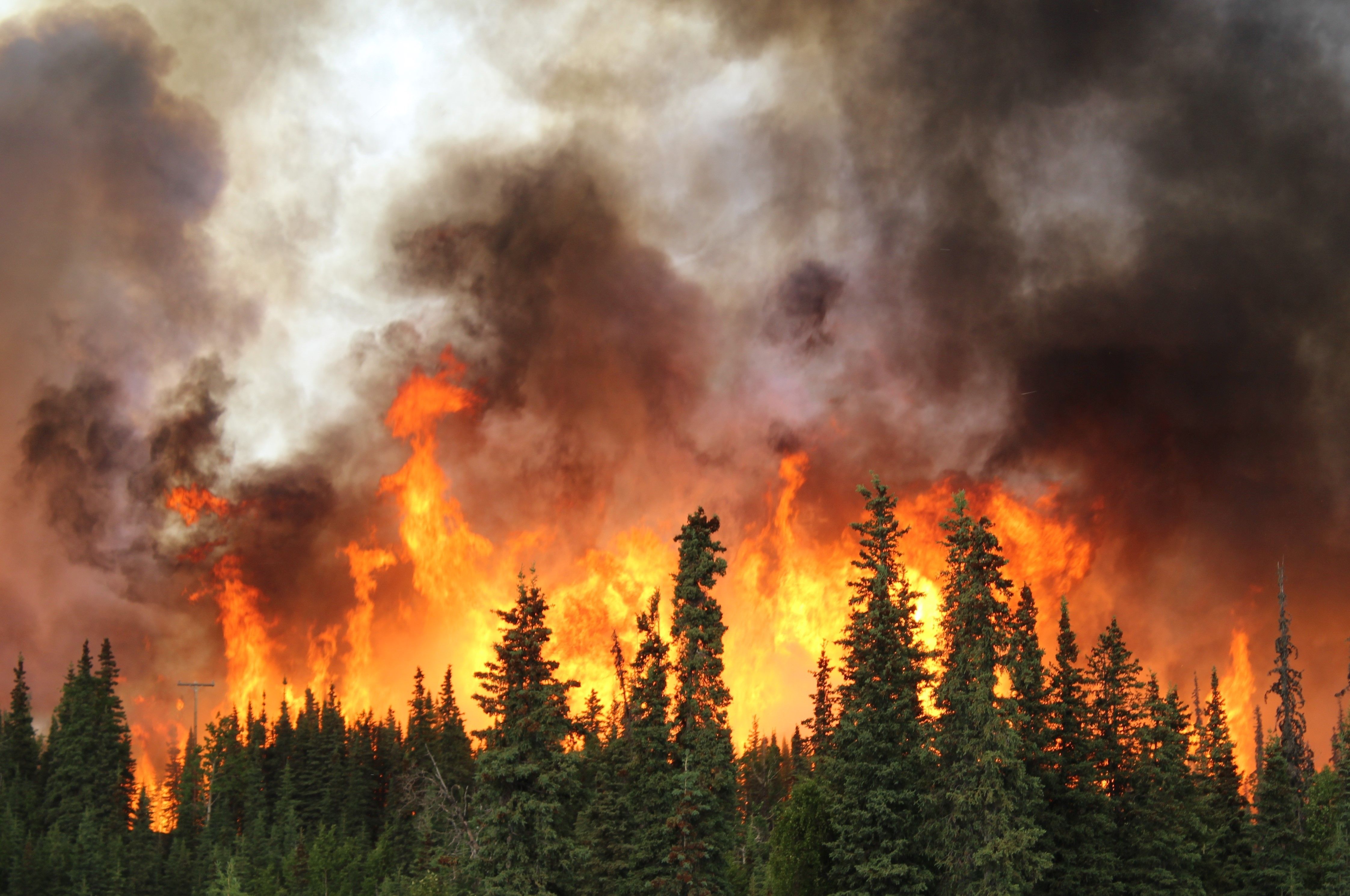
Open windows on opposite sides of the home only when the outdoor temperature is lower and the outdoor air is safe to breathe. Smoke and other pollution can make outdoor ventilation a bad trade, so check local air-quality alerts first.
The EPA's extreme-heat indoor-air guidance recommends reducing sunlight and checking outdoor temperature and air quality before using windows for ventilation.
Cool people before trying to cool rooms
Personal cooling is the fastest way to reduce heat strain without electricity. This part doesn't need to be complicated. Drink water regularly, rest, wear loose lightweight clothing, and apply cool water with a shower, bath, spray bottle, or wet cloth. Damp clothing plus safe fan airflow can also increase evaporative cooling.
- Block sunlight and stop adding heat indoors.
- Cool skin with water and safe airflow.
- Drink water and reduce physical activity.
- Recheck the room temperature and everyone's symptoms.
- Leave for air conditioning if conditions keep getting worse.
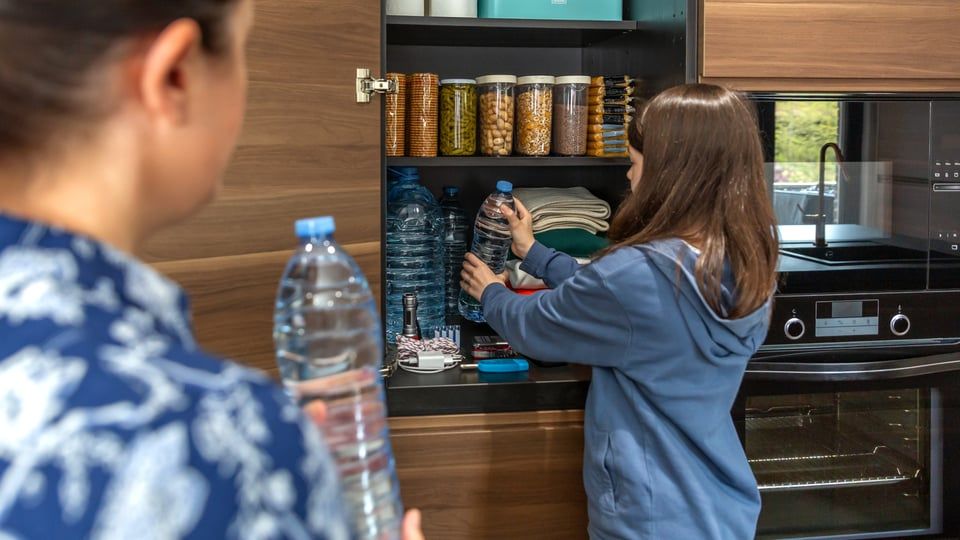
An accessible power outage emergency kit should include water, flashlights, charged power banks, a thermometer, and any household-specific medical supplies. Our power outage safety checklist covers other hazards that can appear while everyone is focused on the heat.
Summer power outage: Stay home or leave?
Summer power outage heat is manageable at home only while indoor conditions remain safe and nobody shows heat-illness symptoms. That's the important part. The right course of action can change as the home heats up, the outage continues, or a household member begins to feel sick.
| Situation | Best action | When to change course |
|---|---|---|
| The home remains tolerable, everyone feels well, and direct cooling works | Stay home, block heat, cool the body, drink water, and limit activity | Indoor heat keeps rising, or cooling steps stop providing relief |
| The home is hot, the outage may last, or a high-risk person is uncomfortable | Move early to a cooling center, library, public building, hotel, or air-conditioned home | Don't wait for symptoms or unsafe travel conditions |
| Someone is confused, passes out, has slurred speech, or has other heat-stroke signs | Call 911 and begin rapid cooling | Follow the dispatcher's instructions and don't give the person fluids |
Start by closing shades on sunny windows, moving everyone to the coolest safe room, drinking water, and stopping strenuous activity. Cool showers, baths, wet cloths, and damp clothing can all lower body temperature. Then check the indoor temperature and each person's condition periodically.
A long outage estimate changes the decision. If the utility reports widespread damage or no estimated restoration time, arrange an air-conditioned destination while transportation and daylight are still available. The guide to how long power outages last can help set expectations by storm type, while the local utility remains the best source for the current incident.
Is your home safe without air conditioning?
Indoor heat safety is based on temperature, humidity, symptoms, household risk, air quality, and access to a cooler location. No single indoor temperature proves that every person can remain safely at home.
Put a thermometer in the room everyone is using, away from direct sun or a hot appliance. Check it regularly and write down the readings if the temperature is climbing.
But don't watch the number alone. A tolerable room can become unsafe faster for older adults, infants, pregnant people, people with chronic health conditions, and people who take medicines that affect temperature control or hydration.
High-risk situations
Households with higher-risk members should plan to leave earlier. In practical terms, a plan for seniors during a power outage should name who will check in, provide transportation, and confirm that the destination is open. Anyone who depends on powered health equipment also needs a medical device power outage checklist before extreme heat arrives.
The National Weather Service heat-illness guidance separates heat cramps and heat exhaustion from heat stroke:
| Condition | Common warning signs | Immediate response |
|---|---|---|
| Heat cramps | Heavy sweating with muscle pain or spasms | Stop activity, move to a cool place, and drink water |
| Heat exhaustion | Heavy sweating, weakness, nausea, dizziness, headache, fainting, or cool and clammy skin | Move to air conditioning, cool the body with water or wet cloths, and seek medical help if symptoms worsen or last longer than an hour |
| Heat stroke | Confusion, slurred speech, loss of consciousness, hot skin, or a body temperature of 103°F or higher | Call 911, cool the person immediately, and don't give fluids |
Heat stroke is an emergency. Don't wait for every symptom to appear, and don't make driving the sick person your first step when emergency services are available.
Is a battery fan enough during an outage?
A battery-powered fan is useful for personal cooling only while the indoor temperature remains below the CDC limit for safe fan use. This is where fans get misunderstood. The CDC recommends using a fan indoors only when the temperature is below 90°F because airflow doesn't make dangerously hot air cooler.
A fan is a reasonable outage tool when:
- The room remains below 90°F.
- One or two people need direct airflow.
- The outage is expected to be short or overnight.
- Charged batteries or a compatible power bank are available.
- Everyone remains alert, hydrated, and free of heat-illness symptoms.
A fan isn't enough when:
- The occupied room reaches 90°F or higher.
- The home keeps heating up despite blocked sunlight and reduced activity.
- Someone develops dizziness, nausea, confusion, fainting, or other warning signs.
- A high-risk household member needs reliable air conditioning.
- The outage may outlast the available charging capacity.
For a battery fan, consider runtime at a useful speed, battery type, charging connection, stability, noise, and size. A long advertised runtime at the lowest setting means little if that setting barely moves air.
When should you leave for an air-conditioned space?
An air-conditioned location is the safer choice when the home keeps heating up, the outage continues to last, or anyone faces elevated heat risk. Leave before symptoms begin when a household member is medically vulnerable, transportation could become difficult, or the destination may close early.
Go to air conditioning when:
- The indoor temperature reaches 90°F, and a fan is the main cooling method.
- Direct cooling, hydration, and shade aren't keeping people comfortable.
- The utility reports major damage, a long restoration window, or no estimated restoration time.
- A household member is an infant, older adult, pregnant, chronically ill, or dependent on medication or powered equipment.
- Smoke or poor air quality prevents safe window ventilation.
- Available batteries can't support the planned cooling load.
Possible destinations include a cooling center, library, community center, shopping center, hotel, or the home of family or friends.
Call or check official updates before leaving. You want confirmed hours, accessibility, pet rules, charging access, and transportation.
Pack water, medicines, chargers, mobility equipment, identification, and anything needed for children or pets. A separate power outage communication plan keeps everyone working from the same destination and contact list.
Outage events in heat
Hurricane Beryl left about 2.6 million Texas customers without power in July 2024 as Houston temperatures climbed past 95°F. The heat turned air-conditioning loss into a second emergency while crews repaired widespread storm damage.
Houston's May 2024 derecho cut electricity to about 1 million Texas customers. More than 50,000 remained without service six days later, showing why a hot-weather plan needs an option that can last beyond the first night.
Track outage restoration
Check the utility's restoration updates and track the power outage in your area before deciding how much equipment or travel time the household needs. An extreme heat power outage plan should also account for local heat alerts and cooling-center information.
Call 911 for suspected heat stroke. Confusion, slurred speech, loss of consciousness, seizures, or very hot skin require emergency care and immediate cooling. Don't give fluids to a person with suspected heat stroke (they may not be able to swallow safely).
Make a summer outage cooling plan
A summer outage cooling plan is worth making before heat, storms, or grid strain cut household electricity. It doesn't have to start with expensive equipment. Start by planning destinations, transportation, water, charged batteries, and clear points of action.
Set up the plan before the next hot day:
- Choose two air-conditioned destinations in different directions.
- Confirm transportation for every household member, including anyone with mobility needs.
- Store drinking water and keep a refillable container ready.
- Charge fans, power banks, portable power stations, and medical-device batteries.
- Place an indoor thermometer where the household can read it easily.
- Pack medicines, chargers, identification, and pet supplies together.
- Enable utility outage alerts and local emergency notifications.
- Decide which symptoms or indoor conditions mean leave or call 911.
Your household's water storage for a power outage should cover drinking and basic needs without depending on stores being open. A pet power outage plan should name a cooling destination that accepts animals or a separate safe arrangement.
If an outage is likely, cool the home before it begins when doing so doesn't conflict with a utility conservation alert. Charge backup equipment, close shades before direct sun reaches the windows, and fill clean water containers. A little work early is much easier than trying to catch up once the home is already hot.