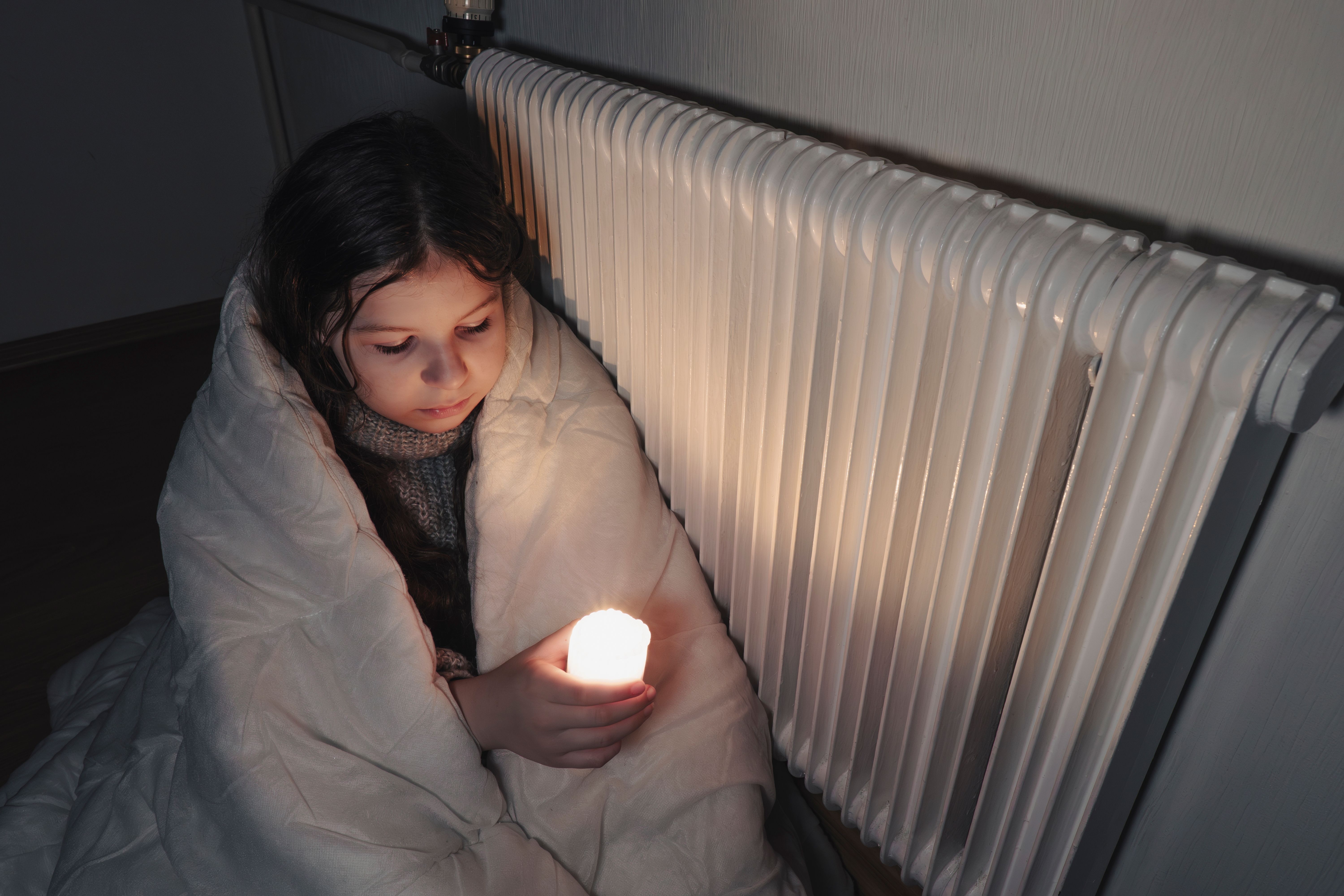
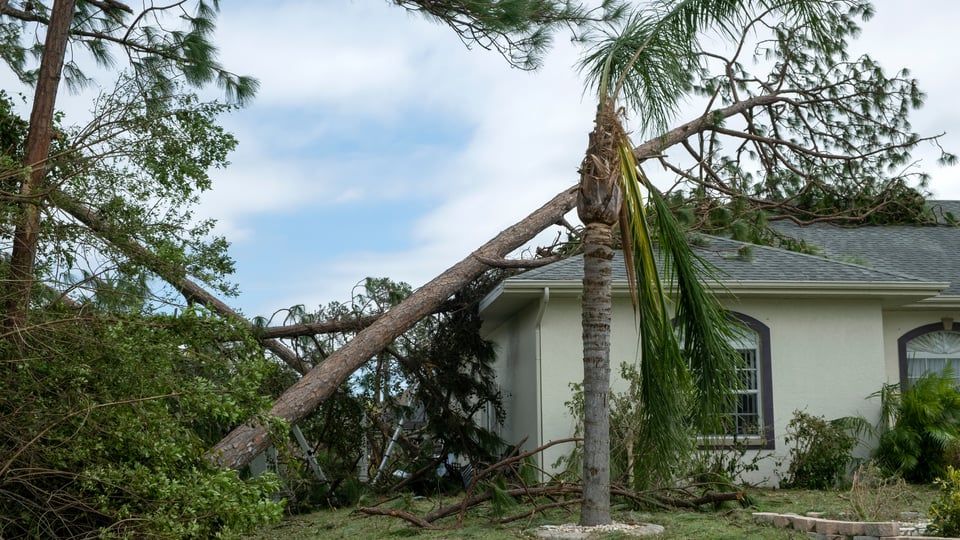
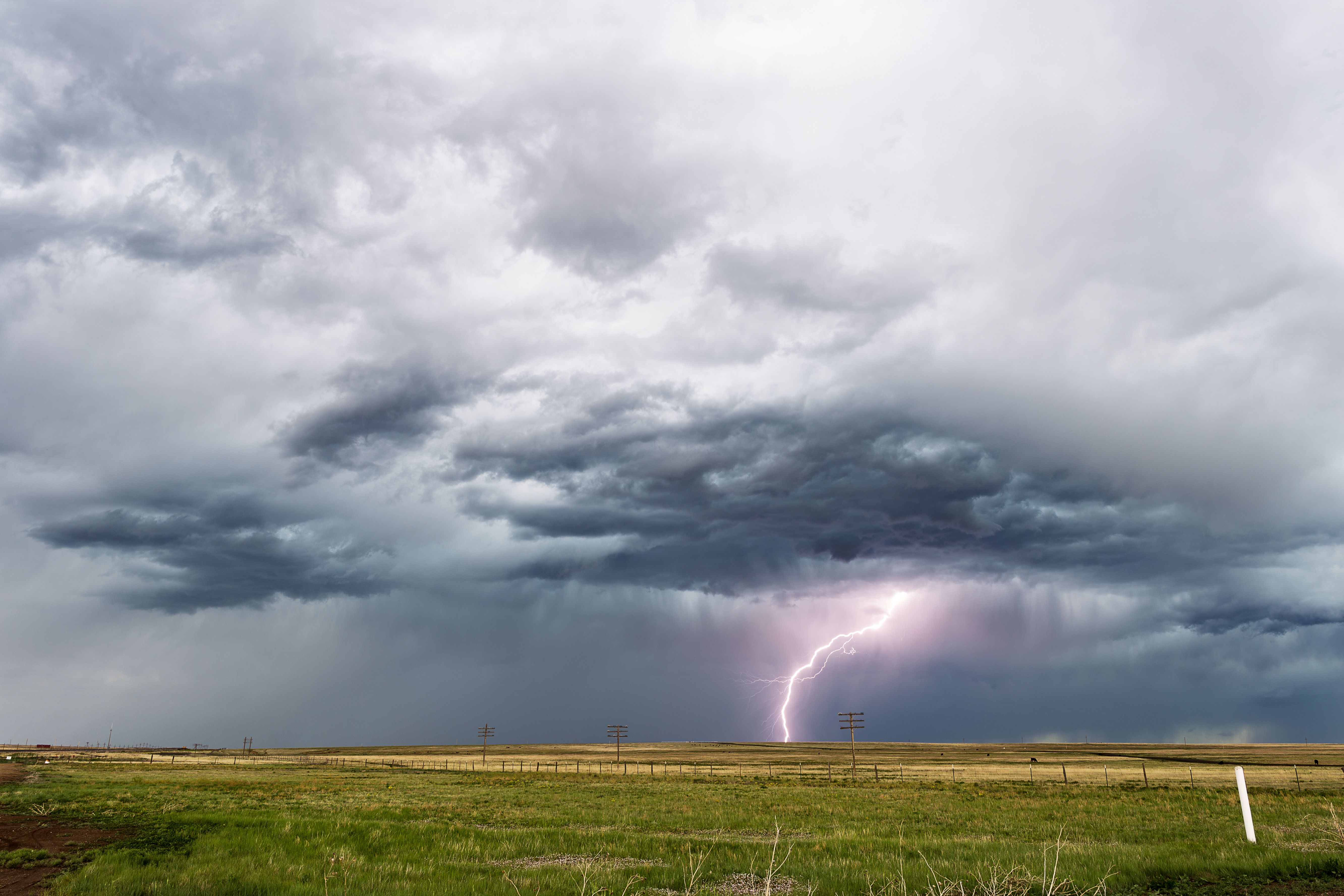





When a storm power outage hits, your pets are counting on you to stay calm and act fast. They can't prepare themselves, and they can't tell you when something is wrong.
PowerOutage.us tracks 950+ utilities serving more than 200 million customers across the US. We've monitored every major outage since 2016. When Hurricane Ian left 2.78 million customers without power across Florida and the Carolinas, pet owners faced days of heat, uncertainty, and no clear timeline for restoration. Understanding what your pets actually need during those first hours makes a real difference in how they come through it.
Prepare your pet emergency kit before the outage
A pet emergency kit is the single most important thing you can do before a storm rolls in. The ASPCA and FEMA's Ready.gov both recommend making a dedicated kit for pets separate from your household emergency kit supplies.
Your kit should include:
- 7 to 10 days of food and water per pet (rotate the backup food every two months or according to expiration dates)
- Current vaccination records and copies of medical records
- A carrier or crate for every pet, regardless of size
- Any medications your pet takes, with at least a two-week supply
- A recent photo of your pet for identification
- Collar with updated ID tags, plus a spare leash or harness
- Pet first aid kit
- Can opener, food bowls, and litter supplies for cats
Microchipping is also a good idea to do as a permanent identification backup. ID tags are important, but microchips are what bring pets home when tags fall off. Make sure your contact info in the microchip registry is current before storm season starts.
Electronic fences are worth a specific mention here. When the power goes out, invisible fence systems fail immediately. In other words, you could lose your dog’s fence without realizing it until the pet has already wandered off. Have a physical backup plan ready, like a leash or a fenced yard.
How to keep dogs and cats safe during a power outage
Dogs and cats are mammals, which means their core temperature needs to stay stable. In cold-weather outages, this becomes the primary concern. In summer outages, heat stress and dehydration take over as the main risks.
In cold weather:
- Add extra blankets and bedding to your pet's sleeping area
- Dry pets thoroughly when they come in from rain or snow. A cold, wet coat accelerates heat loss
- Keep pets away from drafts and uninsulated exterior walls
- Small dogs and short-haired breeds lose warmth faster than larger or double-coated dogs
- Consider keeping pets in one room where body heat can accumulate
In hot weather:
- Avoid strenuous exercise with dogs during daytime heat
- The AVMA warns that heat stroke in dogs can occur quickly and become fatal without intervention
- Move cats to the coolest room in the house, usually a ground floor or basement space
- Offer fresh, cool water frequently. Refill more often than you normally would
- Battery-operated fans can help, though they cool people better than pets
Dogs tend to burn anxious energy when routines break down. A long walk, a game of fetch, or extended play before the outage gets bad can help drain that energy. A tired dog weathers uncertainty better than a restless one. Cats typically self-regulate by finding quiet, hidden spots. Give them access to hiding places, and most cats will manage the stress on their own terms.
If a vet has prescribed calming supplements or anxiety medication, an outage event is a reasonable time to use them. Don't improvise with human supplements unless your vet has cleared it explicitly.
Fish tank power outage tips
Fish tanks and aquariums depend on electricity for three things: filtration, oxygenation, and temperature control. When the power goes out, all three stop at once.
Oxygen is the most urgent concern. Fish in a tank without an air pump or filter can begin showing oxygen stress within one to two hours, depending on how many fish are in the tank and how heavily it is planted. Warmer water holds less oxygen than cooler water, which is why summer outages are more dangerous for fish than winter ones.
Temperature is a secondary concern. A well-insulated tank might hold its temperature for several hours. An uninsulated tank in a cold house can drop several degrees within a few hours, which stresses cold-sensitive tropical species.
What to do during a fish tank power outage
So what exactly should you do?
- Don't add food. Uneaten food decays and uses up dissolved oxygen
- Don't try to adjust the temperature by adding hot or cold tap water. Sudden swings are more harmful than a gradual change
- If you have a battery-powered air pump, use it to run an airstone. This is the most effective short-term intervention
- A home battery backup can run a small aquarium pump for hours and is worth considering if you keep sensitive fish
- Manually agitating the water surface every 30 minutes can help oxygenate the tank as a last resort
If fish are gasping at the surface, that's a sign of oxygen deprivation, not illness. Add oxygen immediately. A battery-powered airstone running for 30 to 60 minutes can stabilize the tank long enough to ride out a short outage.
One other thing: saltwater and reef aquariums are significantly more vulnerable than freshwater setups. Corals and invertebrates can die within hours of a temperature change or loss of oxygen. If you keep a reef tank, a battery backup system isn't optional. It's the minimum setup for responsible outage planning.
Keeping reptiles warm when the power goes out
Having reptiles as pets in a power outage requires specific care. Reptiles are ectotherms, meaning they depend entirely on external heat sources to regulate their body temperature. When the heating pad, heat lamp, or under-tank heater loses power, the reptile's body temperature drops to match the room. At low enough temperatures, reptiles become lethargic, stop digesting food properly, and can develop serious health problems.
First steps for reptile care during an outage:
- Move the reptile to a smaller container. A smaller space is easier to heat manually
- Insulate the enclosure with blankets, towels, or cardboard on all sides
- Use hand warmers (the type used for cold-weather outdoor activities) placed under the enclosure, not inside it. Direct skin contact with a heat source can burn reptiles
- Hot water bottles wrapped in a cloth work similarly
- Do not feed your reptile during an extended outage. Digestion requires heat. Food sitting in a cold digestive system can cause serious problems
Snakes are especially vulnerable because they're often kept in larger enclosures that lose heat faster. If the outage is going to last more than a few hours, wrap the enclosure tightly and focus on keeping the core temperature above the lower threshold for your species. For most common pet snakes, that's around 70°F. Bearded dragons and other desert species need higher temperatures to stay functional.
A portable generator solves the reptile heating problem, since you can run the existing heating equipment without any workaround. For owners of expensive or sensitive reptiles, this is worth the investment before storm season.
Birds during a power outage: fumes and heat loss
Birds are highly sensitive to air quality, temperature change, and stress in a power outage. They have unique respiratory systems that make them more vulnerable to fumes than dogs, cats, or reptiles. The old "canary in a coal mine" idea reflects a real biological fact: birds detect airborne toxins faster and at lower concentrations than humans.
During a cold-weather outage:
- Cover the cage with blankets, leaving an opening for ventilation
- Move the cage away from drafty windows and exterior walls
- Keep birds far from any space heater or fireplace. Fumes from non-stick cookware, candles, and certain heaters can cause rapid respiratory failure in birds
- Birds have high metabolisms and burn calories to stay warm. Offer extra food during cold outages
- PTFE (the coating on non-stick pans) releases toxic fumes when overheated. If you're cooking on a gas stove or using alternative heat sources, keep birds in a separate room with good air circulation
During a hot-weather outage:
- Move the cage to a shaded, cooler area of the home
- Mist the bird lightly with a spray bottle that has a fine mist cap
- Open windows if the outdoor air is cooler than inside, but keep the bird out of direct drafts
- Offer extra fresh water and consider light, water-rich foods like cucumber or leafy greens
When the power goes out, avoid burning candles or using aerosol products anywhere near birds. This is one of the more underappreciated risks in bird care during outages.
Outage tips for mall animals, rabbits, and exotic pets
Small mammals like rabbits, guinea pigs, hamsters, and gerbils are sensitive to both cold and heat in a power outage scenario. They handle moderate temperatures reasonably well, but extremes in either direction create real health risks quickly.
- Wrap small animal habitats in blankets, leaving a ventilation gap
- Move habitats away from cold floors and exterior walls in winter
- Rabbits and guinea pigs are more cold-tolerant than hamsters, but no small mammal should be left in a room that drops below 50°F for extended periods
- In hot weather, freeze a plastic bottle of water and place it in or near the habitat so the animal can press against it. This is a safe way to provide a cooling option without creating temperature shock
- Keep the habitat away from the stress of loud generators or unfamiliar activity
The AVMA recommends that pet owners identify a veterinarian-approved boarding option in advance for extended outages. Some boarding facilities and veterinary clinics accept small exotic animals, but vaccination records and advance notice are usually required.
Outage events that affected pet owners across the US
PowerOutage.us has tracked every major outage event since 2016. During Hurricane Helene, more than 4.79 million customers lost power across the Southeast, with North Carolina and South Carolina experiencing outages lasting up to 14 days. Conditions in those outages were severe enough that standard short-term pet care advice didn't apply. Pet owners needed multi-day plans, backup heat for reptiles and fish tanks, and in many cases, evacuation with animals in tow.
Winter Storm Fern in January 2026 was another reminder that outage duration is unpredictable. Tennessee took the hardest hit with 306,700 customers affected, and parts of northern Mississippi remained without power well into February. For pet owners in those areas, a three-day preparation plan turned into a two-week situation.
You can check current outage data at PowerOutage.us and see major events to understand typical restoration times in your area. That context helps you plan realistically rather than assuming power returns in a few hours.
If you have to evacuate with your pets
FEMA's pet power outage guidelines are clear: don't leave pets behind when you evacuate. Pets left alone in a powerless home can't regulate their environment, access water, or signal distress.
Before evacuating:
- Have your pet's carrier ready near an exit at all times
- Call ahead to any shelter, hotel, or boarding facility to confirm they accept pets
- Bring vaccination records. Most boarding facilities require them
- Attach current ID tags and have microchip information updated
- Take photos of your pet before leaving in case you're separated
If medication needs refrigeration, contact your vet before the outage or immediately after it starts. Some refrigerated medications remain effective for a limited time at room temperature. Others don't. Your vet can advise on whether the medication is still safe to give after an extended outage.
Backup power options for pet safety
Some pets have no margin for extended outages, which means a backup power option might be essential. Reptiles, fish tanks, and birds in cold climates are the clearest examples.
- A home battery backup can run small aquarium pumps, heat mats, and small fans for hours without noise or fumes, though be sure to know what electrical circuits to prioritize in an outage
- A portable generator handles the wattage needs of full aquarium setups, reptile heating systems, or multiple devices at once
- A whole-home standby generator is the most complete solution for households with medically necessary equipment or multiple sensitive pets
If you're not sure what wattage your pet's equipment draws, check the label on each device and add them up before shopping for a backup solution.
For pet owners who also manage medical devices that require power, the same logic applies and the stakes are even higher. Consolidated planning for both pets and medical needs is more efficient than planning each separately.
Quick recap
To sum up, power outages leave pets without heat, oxygen, and routine, which are all important to their well-being. Dogs and cats need warmth and containment. Fish tanks lose oxygen within hours. Reptiles need insulated enclosures and hand warmers. Birds are vulnerable to fumes from alternative heat sources. Prepare accordingly to keep your pet safe during an extended outage, and use PowerOutage.us to track outage times in your area.