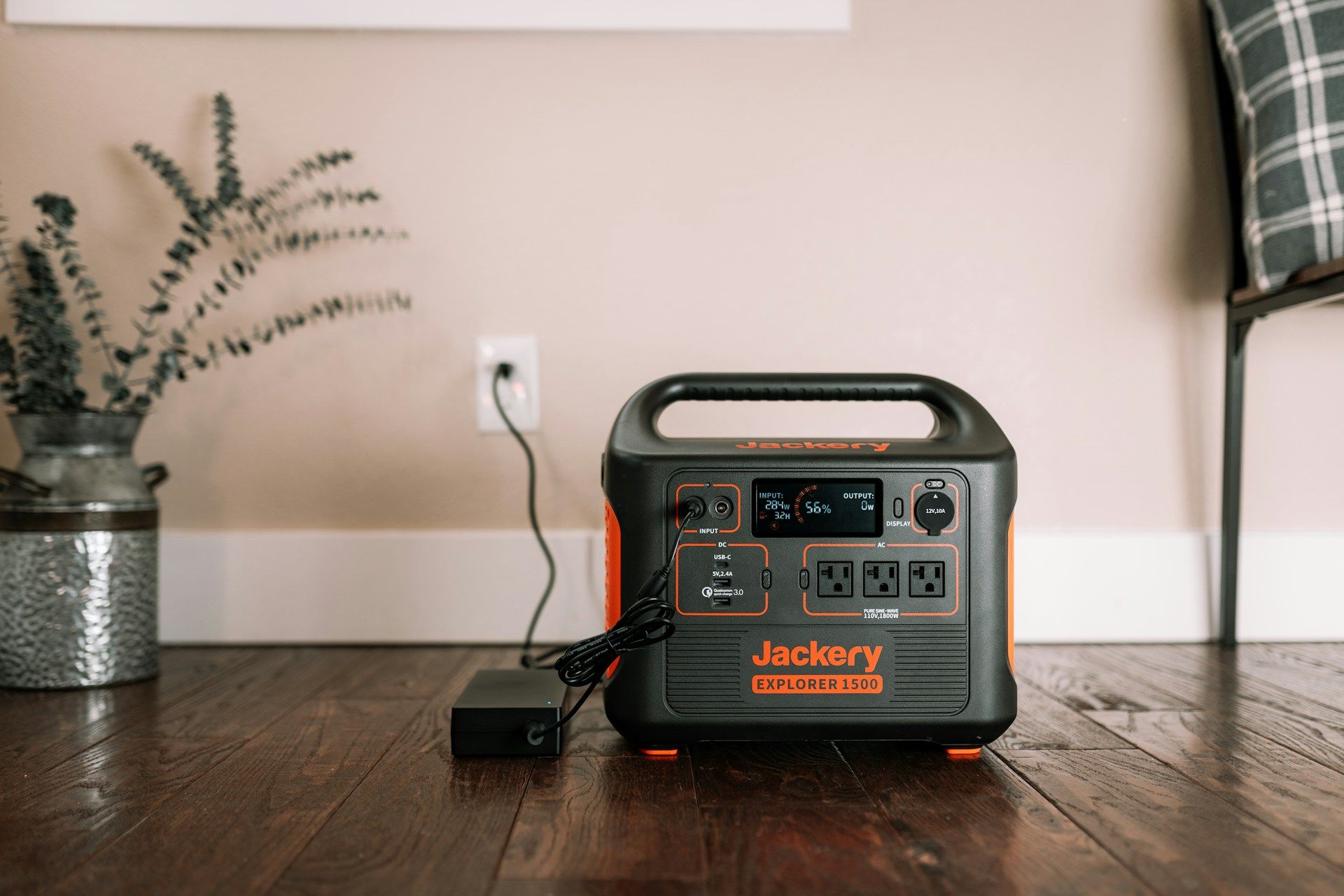


PowerOutage.us tracks 950-plus utilities serving over 200 million customers, watching outage duration patterns nationwide. Our real-world duration data is why we recommend cooling supplies and home battery backup capacity for the outages faced across different regions.
Why temperature control matters
Temperature-sensitive medications lose potency the moment they leave the narrow range a refrigerator holds, and that range sits between 36 and 46 degrees Fahrenheit for most drugs requiring cold storage.
Insulin, biologic injectables, and several liquid antibiotics rely on stable protein structures that break down outside that window. A few hours at room temperature during a mild outage rarely causes harm, but heat above 86 degrees Fahrenheit or freezing temperatures change the chemistry of the drug. The FDA's emergency insulin storage guidance sets these ranges and confirms that the exact time and temperature limits still vary by product.
Medications that require refrigeration
Refrigerated medications span far beyond insulin, covering biologic injectables, reconstituted antibiotics, and certain eye drops.
- Insulin (all types, including pens and vials)
- GLP-1 injectables such as semaglutide and tirzepatide
- Growth hormone injections
- Reconstituted liquid antibiotics, including many pediatric prescriptions
- Certain eye drops and glaucoma medications
- Some vaccines and immunoglobulin therapies
Risks of improper storage
Improper storage of a temperature-sensitive medication cuts its effectiveness long before the vial shows any visible change.
Heat breaks down the protein chains that make insulin and biologic drugs work, so a patient can inject a full dose that delivers only a fraction of its intended effect. Freezing does the opposite kind of damage: ice crystals rupture those same protein structures, and the damage doesn't reverse once the medication thaws.
Prepare before a power outage
Preparation ahead of storm season helps you avoid the storage mistakes that can happen if you just wing it.
Gather emergency cooling supplies
A medication cooling kit combines an insulated cooler, reusable ice packs or frozen water bottles, and a digital thermometer. Keep the kit stocked year-round. Two or three reusable ice packs cycling in a freezer, a small hard-sided cooler sized for the medication supply on hand, and a $10 refrigerator thermometer cover the core of what a 24- to 48-hour outage requires.
Create a medication emergency plan
A written medication plan lists every temperature-sensitive drug in the household, its manufacturer's storage window, and a backup pharmacy contact. The plan should note each medication's brand name, dose, and the number of hours or days it tolerates room temperature per the manufacturer's insert.
Patients who travel or evacuate need a separate travel case sized for a 24-hour trip, packed and ready before a storm warning gives less notice than expected. Our power outage emergency kit guide covers the broader household checklist this plan fits inside.
Keep medications cold during an outage
An insulated cooler holds refrigerator-range temperatures for one to two days once it's packed with enough ice and checked on a schedule.
Use an insulated cooler
A correct cooler setup separates medication from direct ice contact using a towel, cardboard layer, or the medication's original packaging.
Line the cooler's bottom and sides with ice packs, then place a barrier layer before adding the medication, then a second layer of ice packs on top. That sandwich structure keeps the interior cold without letting any single ice pack touch the vials directly.
Replace ice safely
Ice rotation keeps a cooler temperature steady without ever letting medication touch a solid freezing surface. Swap softened ice packs for frozen ones every 12 to 24 hours, checking the cooler's internal temperature at each swap. Reusable gel packs are better since they last longer and don’t melt into water.
Monitor storage temperature
A digital thermometer placed next to the medication is crucial to see the actual temperature and avoid guessing. Check the reading at least twice a day during an outage, and log the time and temperature on paper if the event runs longer than a day.
That log also becomes the record a pharmacist or physician needs later to judge whether a dose stayed within a safe range.
Protect insulin from freezing
Freezing damages insulin's protein structure permanently, while heat exposure degrades it more gradually and only after sustained exposure. An ice pack placed directly against an insulin vial or pen can freeze it on contact.
Recognize signs of freezing damage
Frozen insulin shows clumping, frosting, or a cloudy, crystalline appearance in formulations that are normally clear.
- Any insulin that has visibly frozen and thawed should be discarded, regardless of how it looks once it returns to liquid form, because the protein damage from ice crystal formation doesn't reverse.
- Rapid-acting and long-acting clear insulins that turn cloudy or show visible particles have crossed that line.
- NPH insulin is a cloudy suspension by design, so its normal appearance won't show that same warning sign. Clumping or frosting inside the vial is the freeze signal to watch for instead.
Handle long power outages
Extended outages push medication storage beyond what a single cooler and ice rotation schedule can sustain on its own.
Find alternative refrigeration
Pharmacies, hospitals, and community cooling centers offer refrigerated storage for patients riding out a multi-day outage.
A local pharmacy will often refrigerate a patient's insulin supply temporarily during a widespread outage, and many hospitals extend the same courtesy to walk-in patients with a documented prescription.
Community cooling centers set up during major storms sometimes include refrigerated medication storage as part of their services. Call ahead to confirm whether a specific site offers it.
Contact your healthcare provider
A prescribing provider or pharmacist confirms whether an exposed dose is still safe to use or needs replacement. Call before assuming a dose is ruined or, worse, using a dose that's compromised.
Many state pharmacy boards grant an emergency refill override during a declared disaster, ahead of the normal refill window, and a provider's office can request that override faster than a pharmacy can on its own.
Check medication before use
Check the medication visually before each dose after the power returns for all doses that were affected by the outage.
Review the manufacturer's storage guidance
Manufacturer storage guidance for each specific medication states the exact temperature range and the exposure limits that apply to that drug. The package insert or the manufacturer's website lists how many hours or days a given medication tolerates room temperature and what temperature range counts as a freeze event.
Those numbers vary by brand and formulation, so a rule that applies to one insulin doesn't necessarily apply to another.
Know when to replace medication
Certain signs push a medication straight into the discard pile rather than back into the refrigerator.
- Visible clumping, frosting, discoloration, or separation that doesn't resolve with gentle rolling all call for replacement.
- Any confirmed freeze event, any exposure beyond the manufacturer's stated time and temperature limits, or any uncertainty a pharmacist can't resolve by phone requires replacement.
What happens to medication storage during a power outage?
Power outages push medication cold storage past its safe window the longer restoration takes, and the events we track at PowerOutage.us show how often that window gets blown past.
Hurricane Ida cut power to more than 1 million Louisiana customers in August 2021, with some parishes facing a full month before restoration. A cooler covers days, not weeks, which is when a pharmacy, hospital, or the largest battery backup here becomes the real option.
Hurricane Helene knocked out power to 4.79 million customers across six states in September 2024, and western North Carolina's mountain counties went 14 or more days without restoration. That shows why a medication plan needs a backup source lined up before the storm.
Battery backups for keeping medications cold
A battery-powered portable power station running a mini fridge or plug-in cooler extends safe medication storage well past what ice rotation alone provides.
The three power stations below already appear in our CPAP and oxygen concentrator battery backup guides. All three use pure sine wave LFP batteries safe for continuous indoor use, and their capacity supports a compact medication fridge drawing roughly 45 W.
| Power station | Capacity | Runtime on a 45 W medication fridge | Price |
|---|---|---|---|
| Jackery Explorer 1000 v2 | 1,070 Wh | 20 hours | $400 to $500 |
| Bluetti Elite 200 V2 | 2,073.6 Wh | 39 hours | $1,200 to $1,600 |
| EcoFlow DELTA Pro 3 | 4,096 Wh | 77 hours | $2,300 to $3,700 |
Runtime figures assume 85% inverter efficiency and a 45 W average draw for a compact, thermostat-cycling medication fridge. A portable power station running a full-size refrigerator has to support several times that wattage, so a dedicated mini fridge stretches any of these three units much further than a kitchen fridge would.
Jackery Explorer 1000 v2
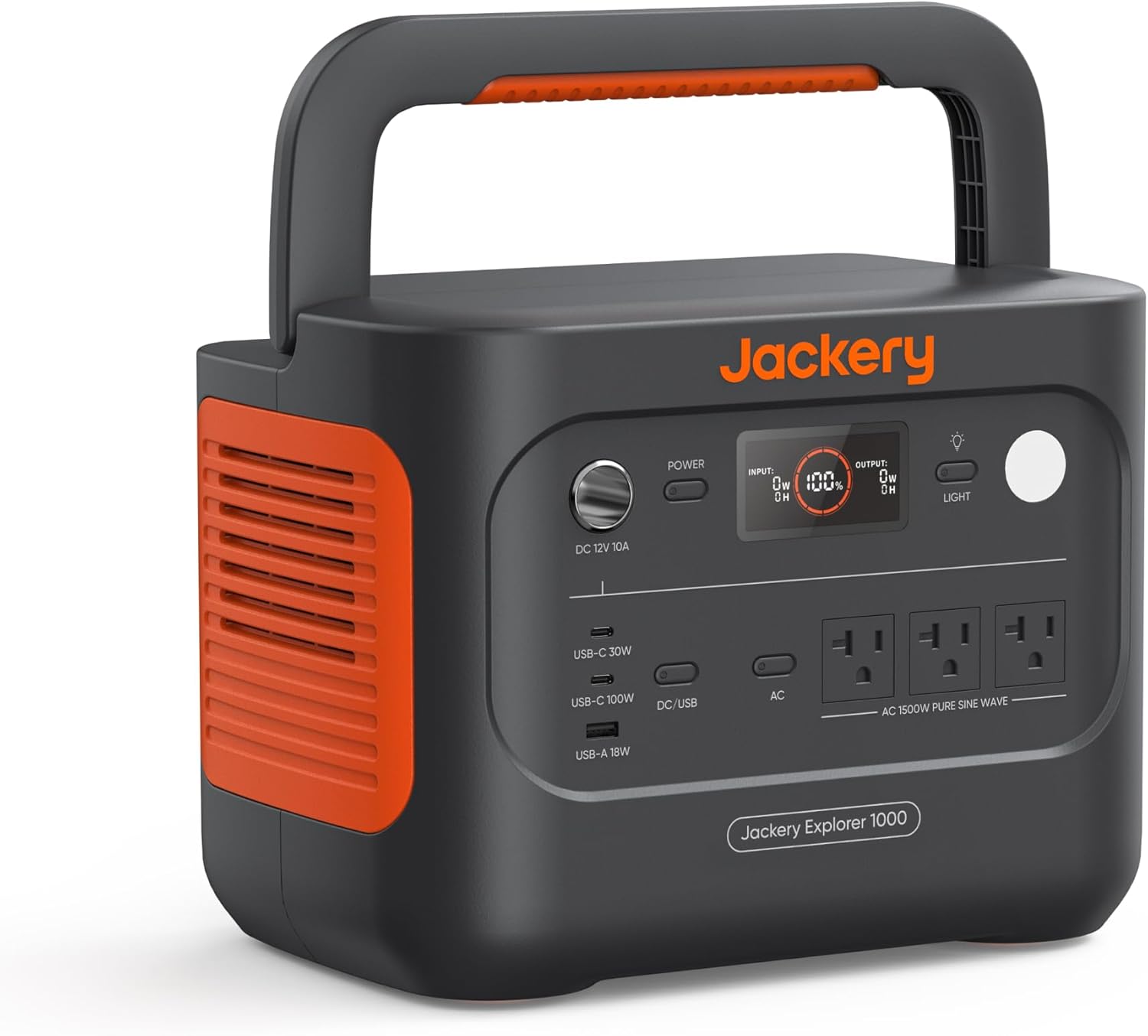
The Jackery Explorer 1000 v2 covers a compact medication fridge for close to a full day on its 1,070 Wh LFP battery, at 23.8 lbs, light enough to move between rooms.
Recommendation: The right pick for patients whose local outages typically resolve within 24 hours.
Con: its 1,070 Wh capacity leaves the thinnest margin of the three, so a fridge drawing more than 45 W or an outage running past a day pushes past what one charge covers.
Bluetti Elite 200 V2

The Bluetti Elite 200 V2 stretches that same 45 W fridge load past a day and a half on its 2,073.6 Wh battery, with 11 outlets free for a thermometer, phone charger, or lamp alongside the fridge.
Recommendation: The right pick for patients bridging a two- to three-day restoration window.
Con: At $1,200 to $1,600 and being heavy, it suits a stationary bedroom or closet setup rather than a unit you grab on the way out the door.
EcoFlow DELTA Pro 3
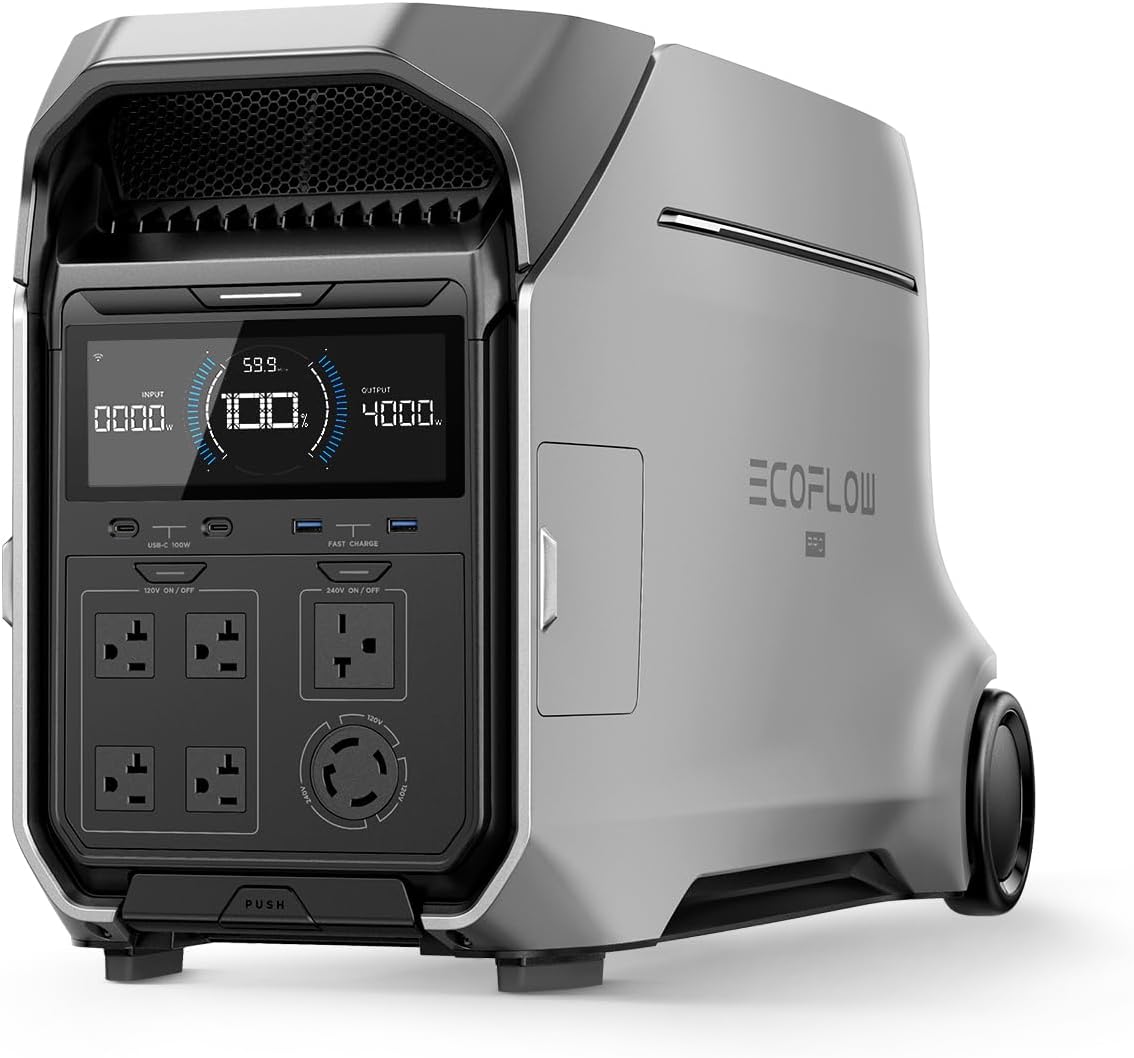
The EcoFlow DELTA Pro 3 carries a medication fridge for more than three days on its 4,096 Wh battery and expands to 12 kWh with add-on packs for patients in hurricane-prone regions.
Recommendation: The right pick for patients in areas with a documented history of week-long restoration times.
Con: The $2,300 to $3,700 price and its size put this well past what a medication-only fridge needs, so it makes sense mainly when the same unit also backs up other household circuits.
For a broader look at sizing a battery backup for a refrigerator beyond medication-only use, or setting up a battery backup without solar, those guides cover the full range of household backup options.