

PowerOutage.us tracks more than 950 utilities serving over 200 million customers. Outage trends we see show V2H battery backup systems can be worth it when they offer usable reserve and automatic transfer. Let’s break it down.
Using an EV for home backup power
Vehicle-to-home backup systems can power a home only when every piece works together in the system. A bidirectional label on the vehicle does not guarantee that a charger or home can use the battery during a blackout.
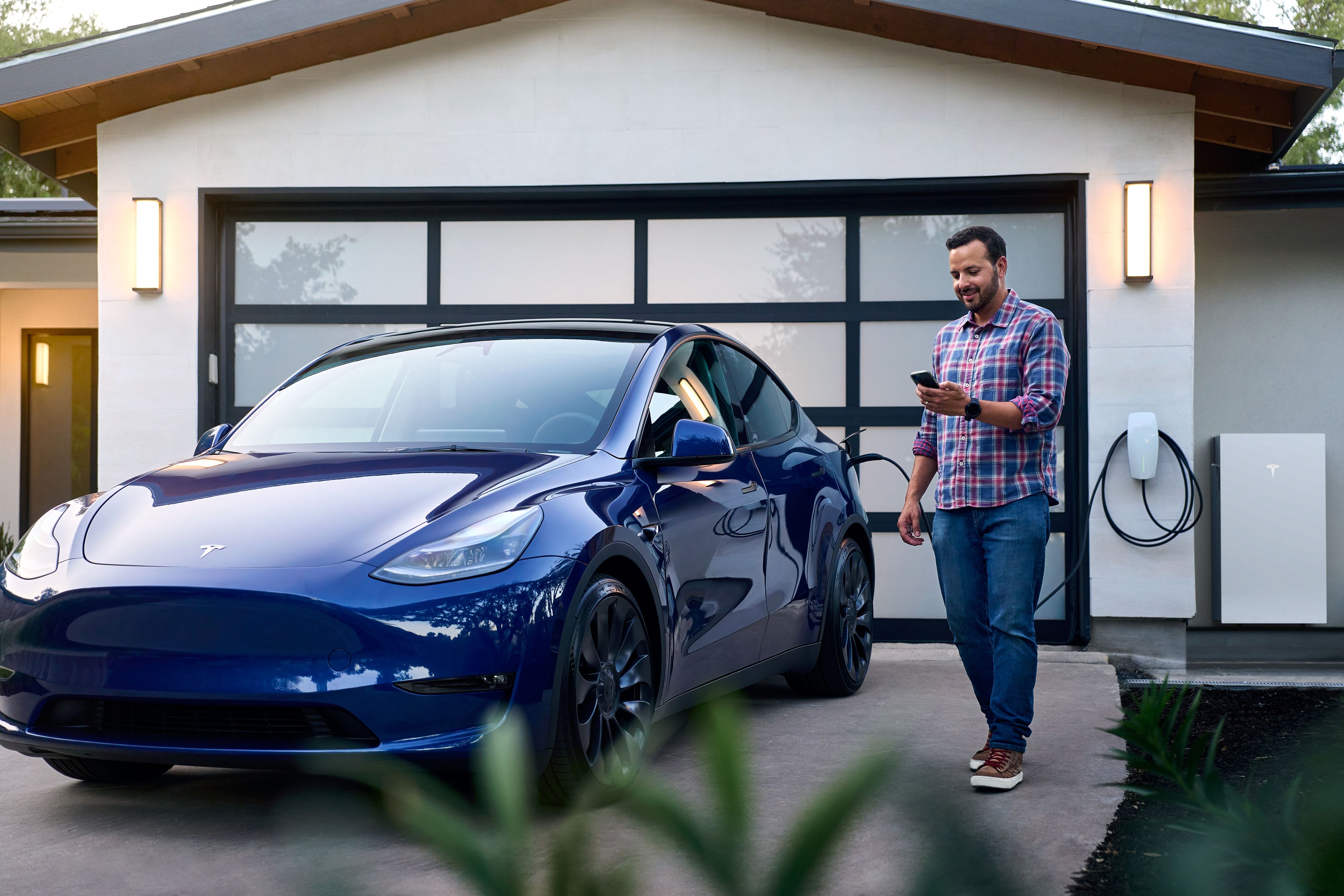
The U.S. Department of Energy states that a bidirectional EV needs similarly capable charging equipment before it can discharge to a building or selected loads. Current U.S. ecosystems include Ford Intelligent Backup Power, GM Energy V2H, Tesla Powershare for Cybertruck, and supported Kia V2H configurations. Compatibility changes by model year, firmware, region, and home equipment.
Each V2H system needs the following:
- A compatible electric vehicle must allow controlled discharge from its traction battery.
- A bidirectional charger has to communicate with the vehicle and route energy in the supported direction.
- An inverter path needs to supply 120/240 V AC when the vehicle exports DC, unless conversion occurs onboard.
- Transfer equipment must isolate the home from utility lines before backup begins.
- A home controller has to start, monitor, stop, and reconnect the system safely.
Other vehicle backup power options
Vehicle-to-load does something smaller than V2H. Onboard outlets can power a refrigerator, light, or extension cord without energizing home circuits. Vehicle-to-grid is another option that exports energy to the utility under an approved program, often for bill credits. Ordinary Level 2 charging sends energy into the car and can’t reverse that flow.
A simple vehicle power inverter doesn’t replace a V2H gateway or transfer system. Homeowners should never feed an EV outlet or inverter into a wall receptacle.
Requirements for V2H power
An EV backup power system can run household circuits within its available power and stored-energy limits. A large traction battery can store more energy than many stationary home batteries, but electric heat, cooking, water heating, and cooling can use it up fast.
To calculate runtime, multiply the battery capacity by the available discharge fraction and conversion efficiency, then divide the result by the average load.
V2H runtime example
An 80 kWh EV with a 30% driving reserve and 90% energy conversion supplies about 50.4 kWh to home loads. Here are a few runtime examples depending on your energy draw:
- Run a 1 kW backup load for 50 hours
- Run a 2 kW backup load for 25 hours
- Run a 5 kW backup load for 10 hours
Planning for different electrical loads
Your EV backup plan must identify refrigeration and communications as essentials. Treat medical equipment as a separate essential risk, pumps as motor-start loads, and electric heating, cooking, cooling, and charging as high-energy loads.
Tesla publishes up to 11.5 kW for Cybertruck Powershare, while GM publishes 9.6 kW for its V2H inverter. These figures describe maximum power, not available battery duration.
Example: Ford F-150 Lightning home backup
Ford F-150 Lightning home backup requires a complete, approved Ford integration system. Just because you bought the truck doesn’t mean you can use backup power yet.
Confirm vehicle support, charging hardware, home integration equipment, electrical scope, and the operating plan before purchase. An electrician will need to verify your setup, and you might need to upgrade your electrical panel. Ask for a written quote that includes:
- The exact model year
- Battery model
- Trim
- Firmware
- Activation
- Charge Station Pro
- Home Integration System
- Service rating
- Backed-up circuits
- Permits
- Grid-return test
Ford's current owner documentation describes automatic transfer when Home Backup Power is enabled, and the truck remains connected. You can monitor power transfer and set the energy reserve in the vehicle or app. Of course, each kWh sent to your house reduces driving range.
Ford says a properly equipped Lightning can support a home for up to three days. Battery state and household consumption can change that estimate. Follow documentation for your exact truck, charging equipment, and home integration system.
When to pass on V2H backup
A vehicle-to-home backup system is the wrong purchase when it cannot provide dependable coverage for your expected outage.
- Evacuation needs can make a high driving reserve more important than household runtime.
- Electrical service upgrades can make the installed V2H price less attractive than dedicated storage.
- Long outages can deplete the EV when public or solar charging remains unavailable.
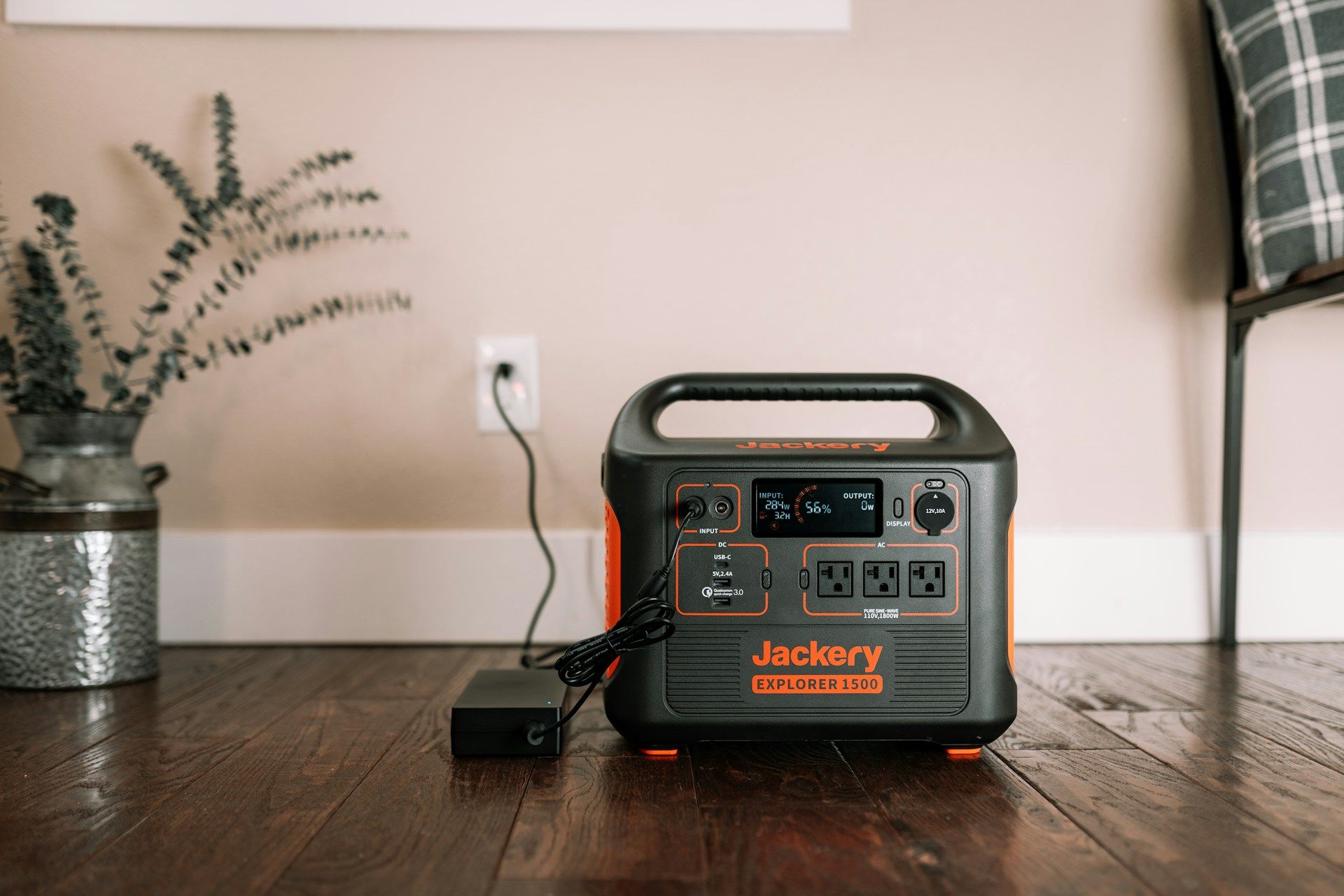
Instead of a V2H system, a home battery backup remains with the property and can recharge from compatible solar. A portable generator for home backup can support long outages when safe outdoor operation and stored fuel fit your plan. Vehicle-to-load can also cover a refrigerator and communications without hardwired V2H equipment.
How to choose a bidirectional EV charging system for home backup
A bidirectional EV charging system needs written proof of safe outage operation across the complete installed configuration. Marketing that names only the EV or charger leaves key compatibility questions unanswered.
The quote must name vehicle compatibility, home equipment, electrical performance, energy controls, installation scope, and interaction with existing systems:
- Vehicle compatibility: Make, model, year, trim, battery, connector, firmware, and required subscriptions or activations.
- Home equipment: Charger, inverter, gateway, dark-start battery, transfer device, meter hardware, and communications.
- Electrical performance: 120/240 V support, continuous kW, motor-start capability, controlled circuits, and service rating.
- Energy controls: Minimum state of charge, available kWh, manual stop, automatic start, and operation without internet service.
- Installation: Permit, utility or AHJ approval, service upgrade, labor, commissioning, and warranty responsibility.
- System interaction: Existing solar, stationary battery, generator, smart panel, and energy-management compatibility.
Test a real outage after commissioning. Verify grid isolation, circuit operation, refrigerator and pump startup, app and manual controls, vehicle reserve, and safe reconnection. A V2H system is worth it when the complete configuration works before the next storm.