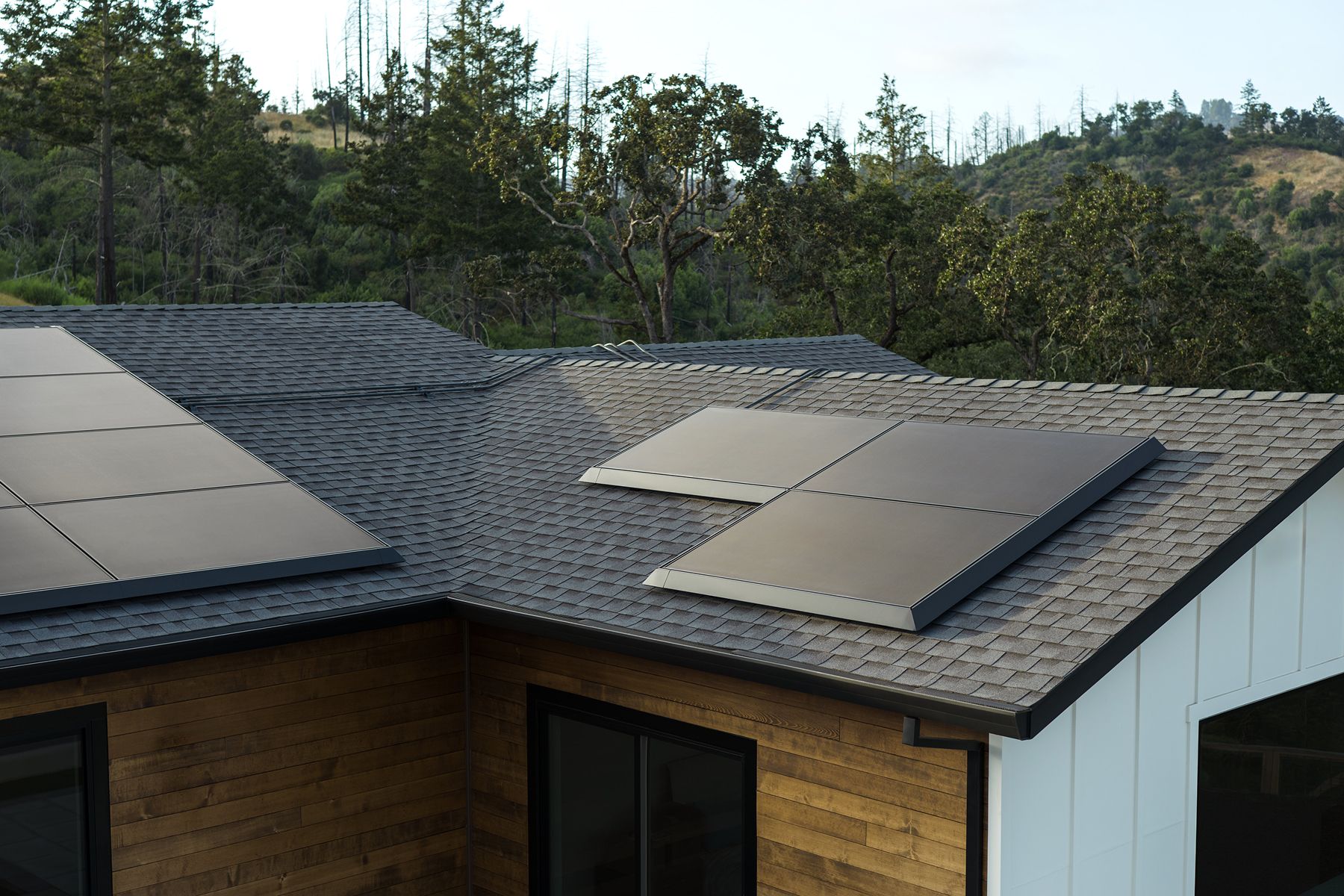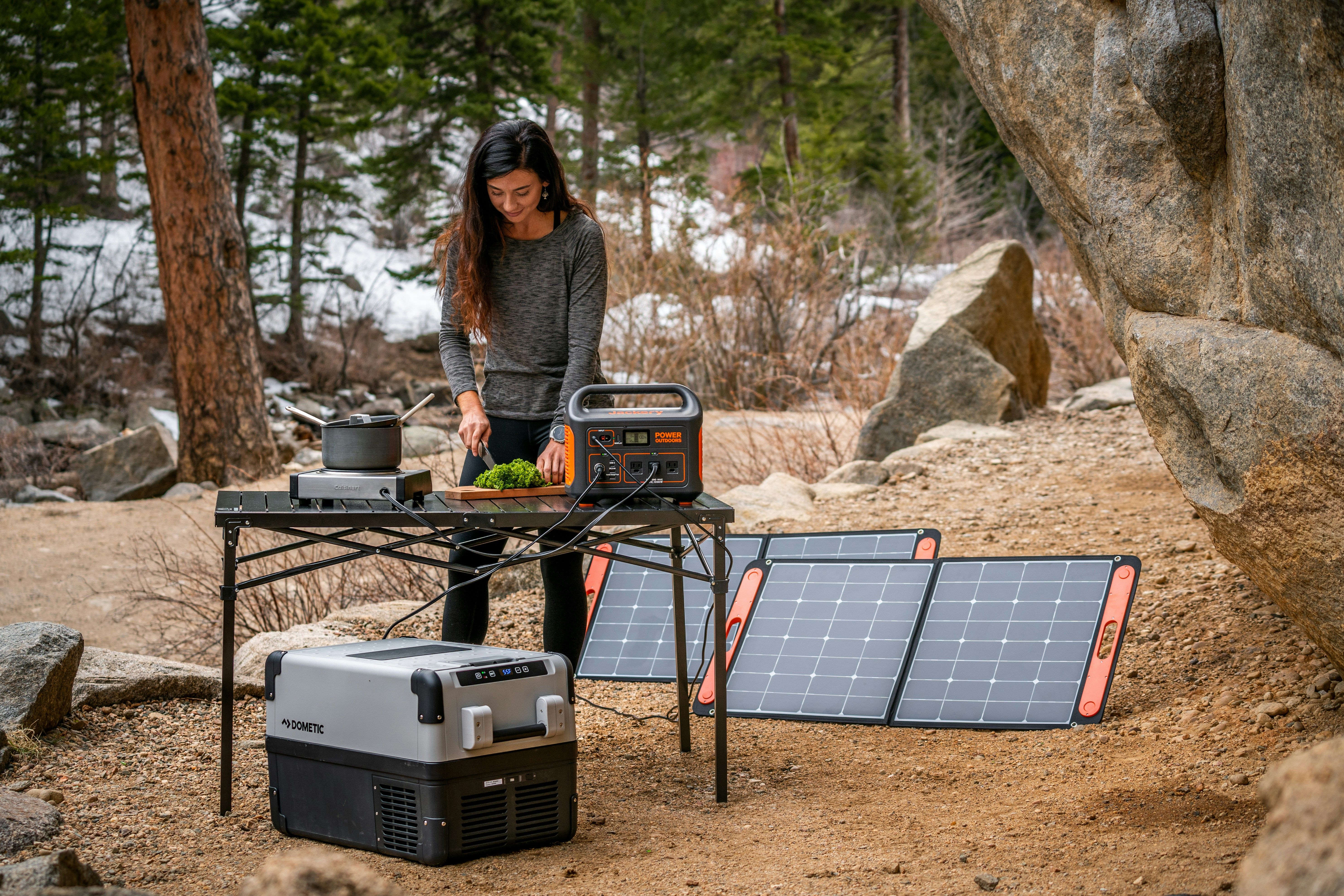

There are lots of parts to a solar panel. Only one of them does the actual work of creating electricity: the photovoltaic cell. It's the essential component in any solar energy system, so understanding what it is, how it works, and how the types differ is worth knowing.
This guide covers all of that to help you make the best decision on your solar technology investment. You'll also pick up the key benefits and current limitations of PV cell technology.
PowerOutage.us has tracked every major outage since 2016, monitors more than 200 million customers, and records exact timing and duration for each event. That outage record helps you assess real grid risk when deciding whether photovoltaic cells are worth the investment for your home.
What are photovoltaic cells?
Photovoltaic cells are the working core of solar panels. They capture sunlight and convert it to electricity through the photovoltaic effect. When sunlight hits a PV cell, it excites the electrons inside. As those electrons move, they create an electrical charge.
What are solar cells made of?
Most PV cells fall into two material categories. Each type has properties that suit it to specific applications.
Here's a closer look at the components of a PV cell:
| Component | Definition | Key Contexts |
|---|---|---|
| Silicon wafer | Thin layer of silicon that forms the base of the PV cell | Crystalline or amorphous; absorbs photons; supports current generation |
| Anti-reflective coating | Coating applied to surface to reduce light reflection | Maximizes light absorption; typically made of silicon nitride or titanium dioxide |
| Glass cover | Protective outer layer of the PV cell | Transparent; shields against weather and physical damage |
| Encapsulant | Material surrounding PV cell layers for insulation and durability | Usually EVA (ethylene-vinyl acetate); ensures longevity and protection from moisture |
| Front contact | Thin metallic lines on the top of the cell | Collects electrons; typically made from silver or other conductive materials |
| Rear contact | Conductive layer at the back of the cell | Completes the electrical circuit; usually aluminum |
| P-type layer | Silicon doped with boron to create positive charge carriers | Forms part of the PN junction; facilitates current flow |
| N-type layer | Silicon doped with phosphorus to create negative charge carriers | Creates the other side of the PN junction; enables electron movement |
| PN junction | Interface between p-type and n-type silicon | Generates electric field; essential for separating charge carriers |
| Busbars | Wider metal strips connecting multiple front contacts | Conduct electricity out of the cell; minimize resistance and energy loss |
Crystalline silicon (c-Si)
Crystalline silicon (c-Si) is by far the most common material in photovoltaic cells. Silicon alone isn't especially efficient as a semiconductor. But infuse one side with boron and the other with phosphorus, and the result is an excellent solar energy semiconductor.
The two types of c-Si solar cells are:
- Monocrystalline solar cells: Cut from a single piece of silicon crystal, monocrystalline panels are the more efficient of the two types.
- Polycrystalline solar cells: Made by fusing several smaller silicon pieces into a single sheet. Less efficient than monocrystalline cells, but polycrystalline panels cost less.
Thin-film materials
The other main category is thin-film materials. PV cells in thin-film solar panels are cheaper, lighter, and more flexible than silicon crystal cells. That makes them a popular choice for large-scale applications where space isn't a constraint and for portable uses.
The three main materials used to make thin-film PV cells are:
- Cadmium telluride (CdTe): CdTe solar cells are efficient and relatively inexpensive. Cadmium is toxic, which raises concerns about its use.
- Copper indium gallium selenide (CIGS): CIGS-based PV cells have strong low-light performance. They're complex to manufacture though, which makes them hard to produce at scale for consumer products.
- Amorphous silicon (a-Si): Amorphous silicon cells are inexpensive and less resource-intensive to produce. Their low solar efficiency compared to other thin-film types is the main drawback.
How panels convert sunlight using the photovoltaic effect
The photovoltaic effect is what makes solar energy production possible. Here's how solar panels convert sunlight into electricity, step by step:
- The PV solar cell absorbs sunlight.
- Sunlight excites the electrons inside the cell.
- The energized electrons move across the cell, creating an electrical charge.
- This movement generates direct current (DC) electricity.
Home fixtures and appliances run on alternating current (AC), not DC. So the electricity from PV cells goes to a solar inverter first, where it's converted to AC. From there it works exactly like grid power, with energy flow managed by the solar charge controller.
How the photovoltaic cell structure shapes electrical output
Beyond the materials, how PV cells are built directly affects how much energy they generate. Photovoltaic cells use a layered design to optimize efficiency and longevity.
Photovoltaic cells are constructed with the following layers:
- Top anti-reflective layer: Minimizes light reflection so the maximum amount of sunlight reaches the reactive layers below.
- Glass or plastic cover: Transparent glass or plastic protects the photovoltaic layers from weather and environmental damage.
- Front contact layer: Conducts electrons from the PV layers to external circuits.
- Semiconductor layers: These two layers are where energy gets created. One is doped with boron (p-type, positive charge) and the other with phosphorus (n-type, negative charge). The opposing charges drive electron movement, generating electrical current.
- Back contact layer: Closes the electrical circuit.
Types of photovoltaic panels for different applications
Solar engineers have developed a few different photovoltaic panel types, each suited for a different purpose:
- Conventional flat-plate modules: The most common type. Used on rooftops in grid-connected and off-grid solar setups, in hybrid solar systems, on solar farms, and on satellites.
- Building-integrated photovoltaics (BIPV): Photovoltaic cells that double as building materials, integrated directly into the structure. Solar shingles are the most common residential example.
- Concentrated photovoltaics (CPV): Uses lenses or mirrors to concentrate sunlight and boost solar efficiency. High cost has limited adoption so far.
- Floating solar: Panels designed to sit on bodies of water. The water keeps panels cool, improving efficiency, and the setup avoids using land.
Factors that affect photovoltaic cell efficiency
A few main factors determine the solar efficiency of photovoltaic cells:
- Photovoltaic cell material: The material sets the efficiency ceiling. Different PV materials perform at different levels.
- Construction: Panel construction and assembly materials affect efficiency. Some panels include tracking systems that rotate to follow the sun.
- Location: More sunlight means more output. Panels in heavily shaded areas or consistently cloudy climates will generate less energy.
- Installation: Angle matters. Every installation has an ideal tilt for maximizing the sunlight the PV cells capture.
Benefits and limitations of photovoltaic cell technology
Cost is the deciding factor for most people. Solar energy systems average $17,823, consistent with NLR's Q1 2023 installed cost benchmark of $2.90 per watt DC for residential installations. They typically pay for themselves within a decade and keep generating free energy for a decade or more after that.
There are other benefits too. Advances in PV cell technology have made switching to renewable energy more feasible than ever.
The main limitation is sunlight dependency. Even high-efficiency PV cells can't generate enough power to meet every homeowner's needs, particularly in areas that don't get reliable sun.
There are also sustainability concerns around harvesting PV cell materials and the manufacturing process. A 2023 NLR study published in Nature Physics found those concerns are largely unfounded scientifically, though they continue to shape public debate as global demand for solar panels grows.
Bottom line: understanding photovoltaic cells
Photovoltaic cells are what make solar panels work. Recent advances have made PV cells more efficient, more affordable, and available in more forms than ever.
Understanding how PV cells work, what they're made of, and how the types differ helps you make the right call on your solar investment. Solar panels are a great fit for some homeowners but not the best for others.