

PowerOutage.us tracks more than 950 utilities serving over 200 million customers, about 95 percent of electricity customers. That outage data shapes how we rank camp stoves and emergency food kits, so you buy cooking gear that matches how long your outages actually run.
How we ranked these camp stoves
Our team ranked these camp stoves based on manufacturer specs, aggregated owner and published test reviews, and our own PowerOutage.us outage data.
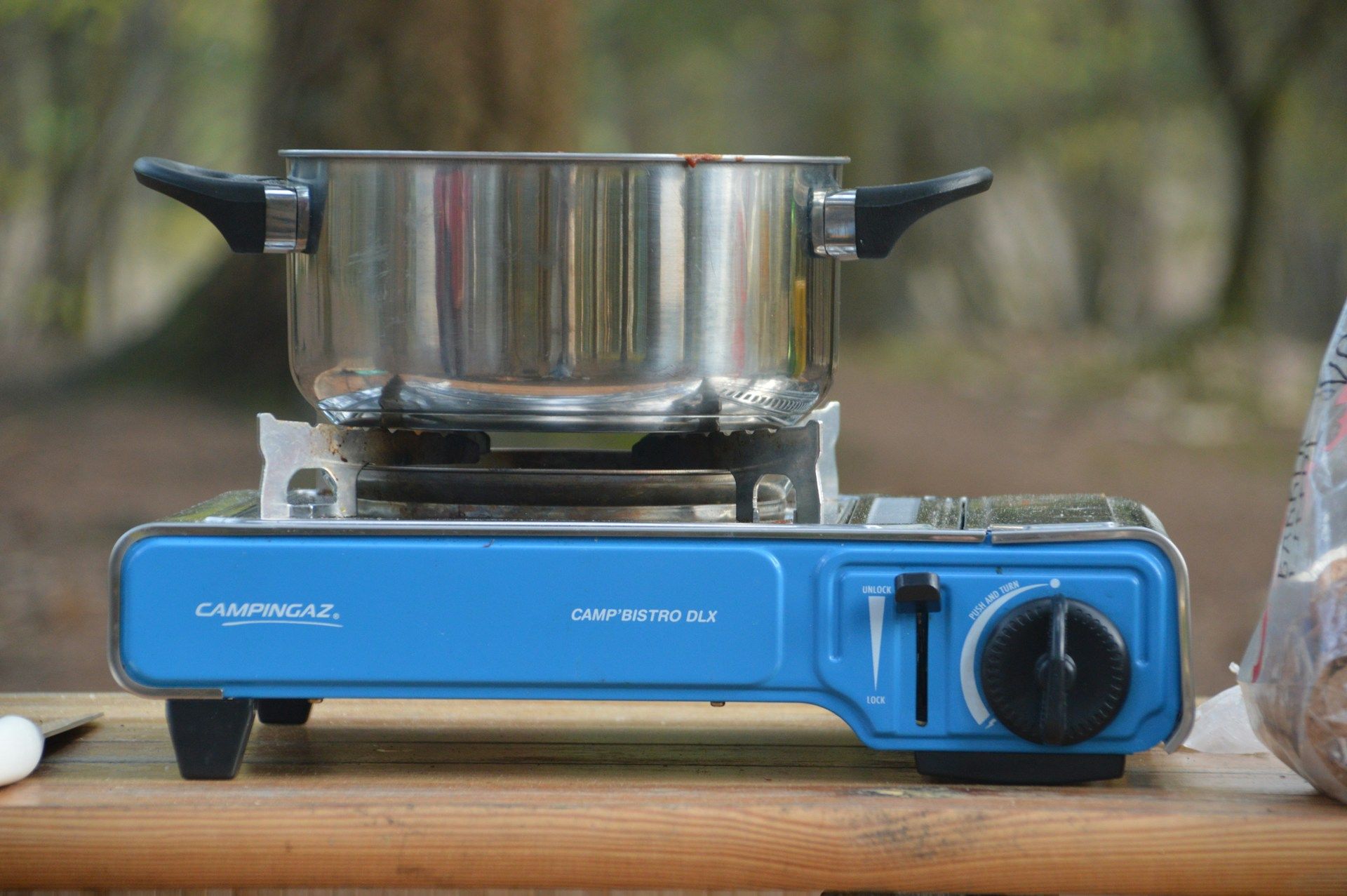
One safety rule sits above every pick: camp stoves burn fuel and produce carbon monoxide, so they are foor outdoor use only. Not in the house, not in the garage, not in a tent.
Here's what we considered to rank camp stoves:
- Fuel availability: Camp stoves that work with outage-friendly fuel ranked high.
- Meal capacity: We matched burners and BTU output to the job of feeding a household, not just boiling a cup.
- Runtime per fuel unit: We compared how many meals each stove gets from a canister.
- Owner reliability: We looked through owner reviews for ignition failures, regulator problems, and build complaints.
- Value: We weighed price against output and versatility.
How these camp stoves compare
Compare our top camp stove picks.
| Camp stove | Fuel | Burners and output | Runtime per canister | Approx price |
|---|---|---|---|---|
| Camp Chef Everest 2X | Propane, 1 lb | 2 burners, 40,000 BTU | 1 to 1.5 h high | $230 |
| Iwatani 35FW | Butane, 8 oz | 1 burner, 15,000 BTU | About 55 min full power | $70 |
| Camp Chef Explorer | Propane, 1 lb or 20 lb tank | 2 burners, 60,000 BTU | 20+ h of cooking on a 20 lb tank | $200 |
| Jetboil Flash | Isobutane canister | Integrated 1 L boil system | About 60 min | $140 |
| Coleman Cascade 3-in-1 | Propane, 1 lb | 2 burners, 24,000 BTU | 1.5 to 2 h high | $290 |
Be aware that prices can change.
5 Best camp stoves for a power outage
These five stoves below cover a wide range from a $70 single burner to a large fuel tank setup that cooks for a week.
1. Camp Chef Everest 2X
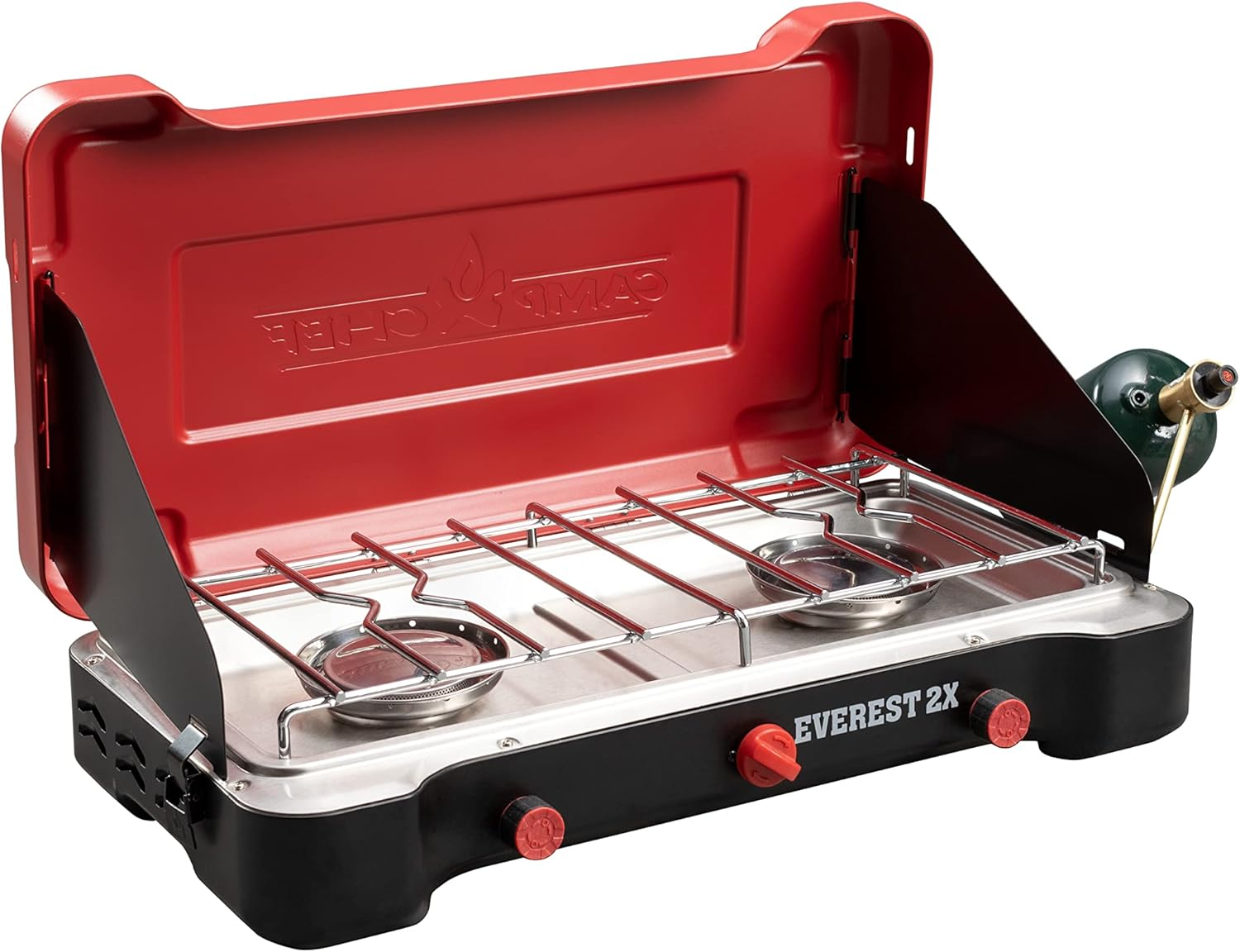
The Camp Chef Everest 2X puts 40,000 BTU across two burners, and it is known to boil water on it in under five minutes.
The Camp Chef Everest 2X is great for families who need real meals, not just hot water. You should choose the Everest 2X if you want commercial-style power with simmer control fine enough for cooking eggs.
- Two 20,000 BTU burners, 40,000 BTU total
- About 1 to 1.5 hours per 1 lb propane bottle with both burners high
- Piezo matchless ignition
- Strong wind performance according to reviews
- 13.97 lbs with a 21 x 9.5 in cooking surface
Pros
- Boils fast and simmers low without wasting fuel.
- Matchless ignition in the wind.
- Cooks a full family dinner at once.
Cons
- Costs about $230.
- 14 lbs is car-camping size, not go-bag size.
- Owners report that lid latches may deform over seasons.
Camp Chef Everest 2X reviews
Owners rate the Everest 2X 4.5 stars across nearly 500 ratings. Reviewers like the fast boil speed, fine simmer control, and starting performance in wind. Some say the downside is the latch hardware, which can bend with heavy use.
Should you buy the Camp Chef Everest 2X?
You should buy the Everest 2X if cooking during an outage requires feeding a family real meals from the porch or patio. You should pass on it if you cook one pot at a time, where the Iwatani does the job for a third of the price.
2. Iwatani 35FW
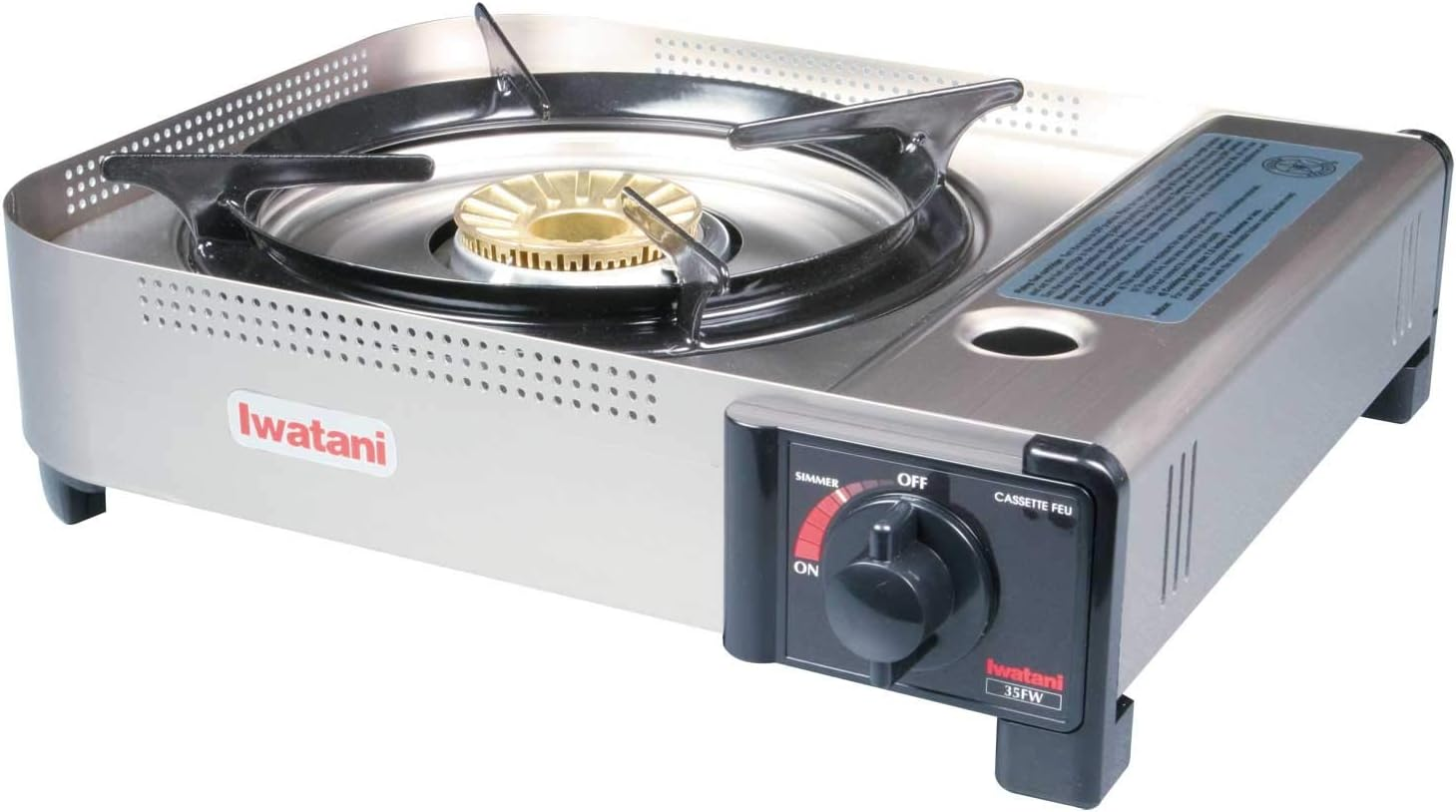
The Iwatani 35FW delivers 15,000 BTU from one brass burner, runs on 8-oz butane cartridges, and costs about $70.
One-pot households and small kitchens get the most value from the Iwatani 35FW. You should consider the Iwatani 35FW if you want the simplest, most reliable stove that can fit in a drawer and comes with its own case.
- 15,000 BTU brass burner
- 8 oz butane cartridge with a magnetic lock, sold separately
- About 55 minutes per cartridge at full power, 2 to 3 hours at low to medium power
- Automatic piezo ignition with rotary simmer control
- 4.2 lbs in a hard carry case
Pros
- Costs about $70.
- 4.7-star owner rating.
- The magnetic cartridge lock prevents bad connections.
- Simmers as well as it sears.
Cons
- One burner means one pot at a time.
- Butane cartridges are harder to find than propane after storms in some regions.
Iwatani 35FW reviews
Owners rate the Iwatani 35FW 4.7 stars across more than 2,100 ratings. Campers and preppers praise the reliable heat, the fine simmer control, and the magnetic cartridge lock. Complaints are low besides reviewers mentioning the single-burner limit itself.
Should you buy the Iwatani 35FW?
You should buy the Iwatani 35FW if outage cooking means one pot or pan at a time and you want the most dependable, cheap option. You should pass on it if butane is scarce where you live, where a propane stove is more realistic.
3. Camp Chef Explorer
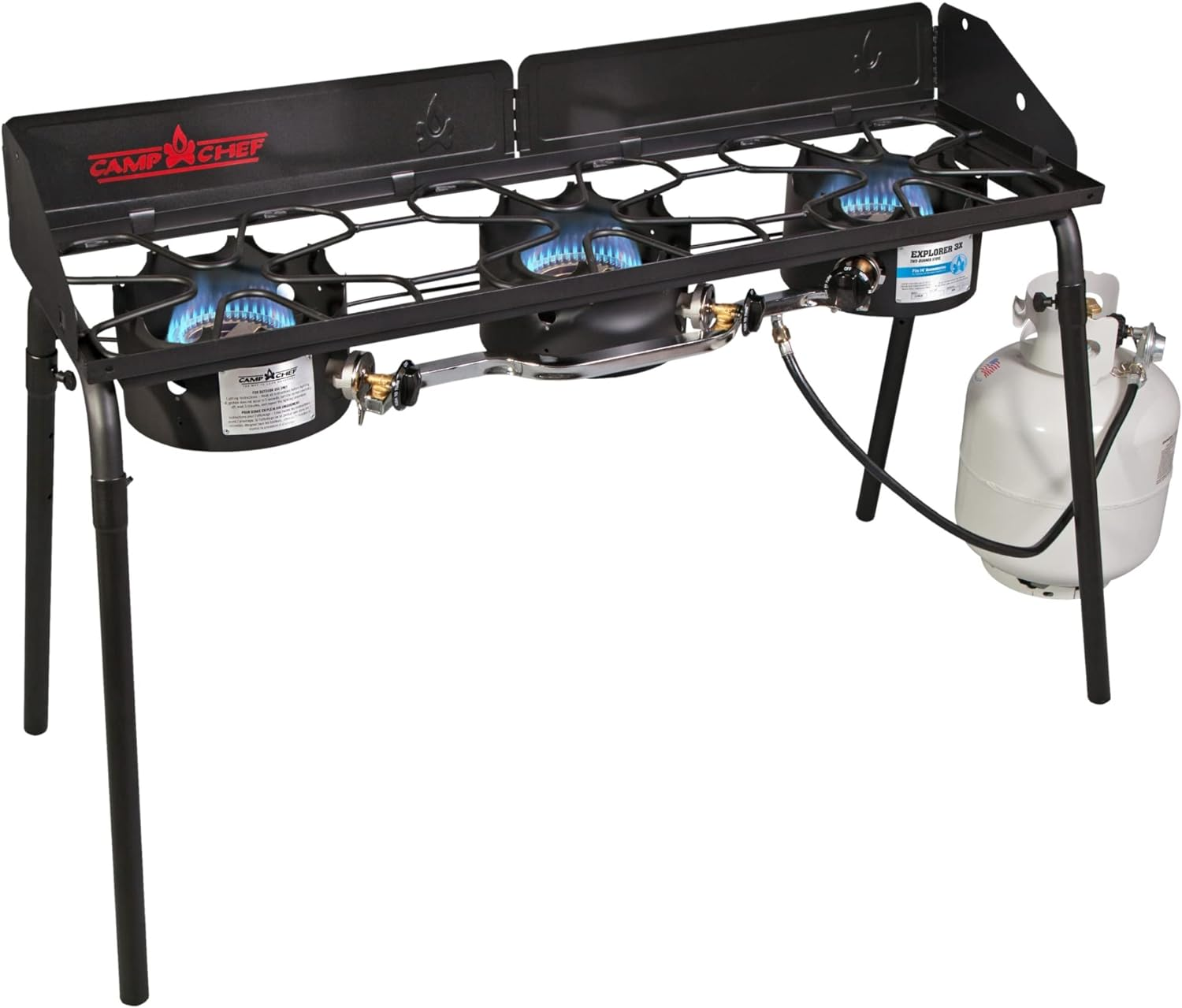
The Camp Chef Explorer runs two 30,000 BTU burners off a 20 lb propane tank, which turns one grill-size tank into 20+ hours of cooking.
Households waiting long hours for power get the most out of the Camp Chef Explorer. You should consider the Explorer if outages in your area are days long and you'd rather cook off bulk propane than ration 1 lb bottles.
- Two 30,000 BTU burners, 60,000 BTU total
- Included regulator connects to 20 lb tanks
- A 20 lb tank runs an estimated 20+ hours of cooking
- Cast-aluminum burners, legs, and a basic windscreen
- About 15 lbs with a 14 x 32 in cooking surface
Pros
- Bulk-tank hookup outlasts any canister stove.
- 60,000 BTU handles big pots and canners.
- Cast-aluminum build takes abuse.
- Costs less than the Everest 2X.
Cons
- Bulky, with basic wind protection.
- Overkill if outages are likely to last a few hours, not days.
Camp Chef Explorer reviews
Owners rate the Explorer about 4.6 stars across over 300 ratings. Outdoor cooks like the output, durability, and easy hookup to big tanks for multi-day cooking. Complaints call out the dated design and the basic wind guards.
Should you buy the Camp Chef Explorer?
You should buy the Camp Chef Explorer if multi-day outages hit your area (like during hurricane aftermath) and a 20 lb tank is already in your storm plan. You should pass on it if storage space is tight, where a suitcase-style two-burner fits better.
4. Jetboil Flash
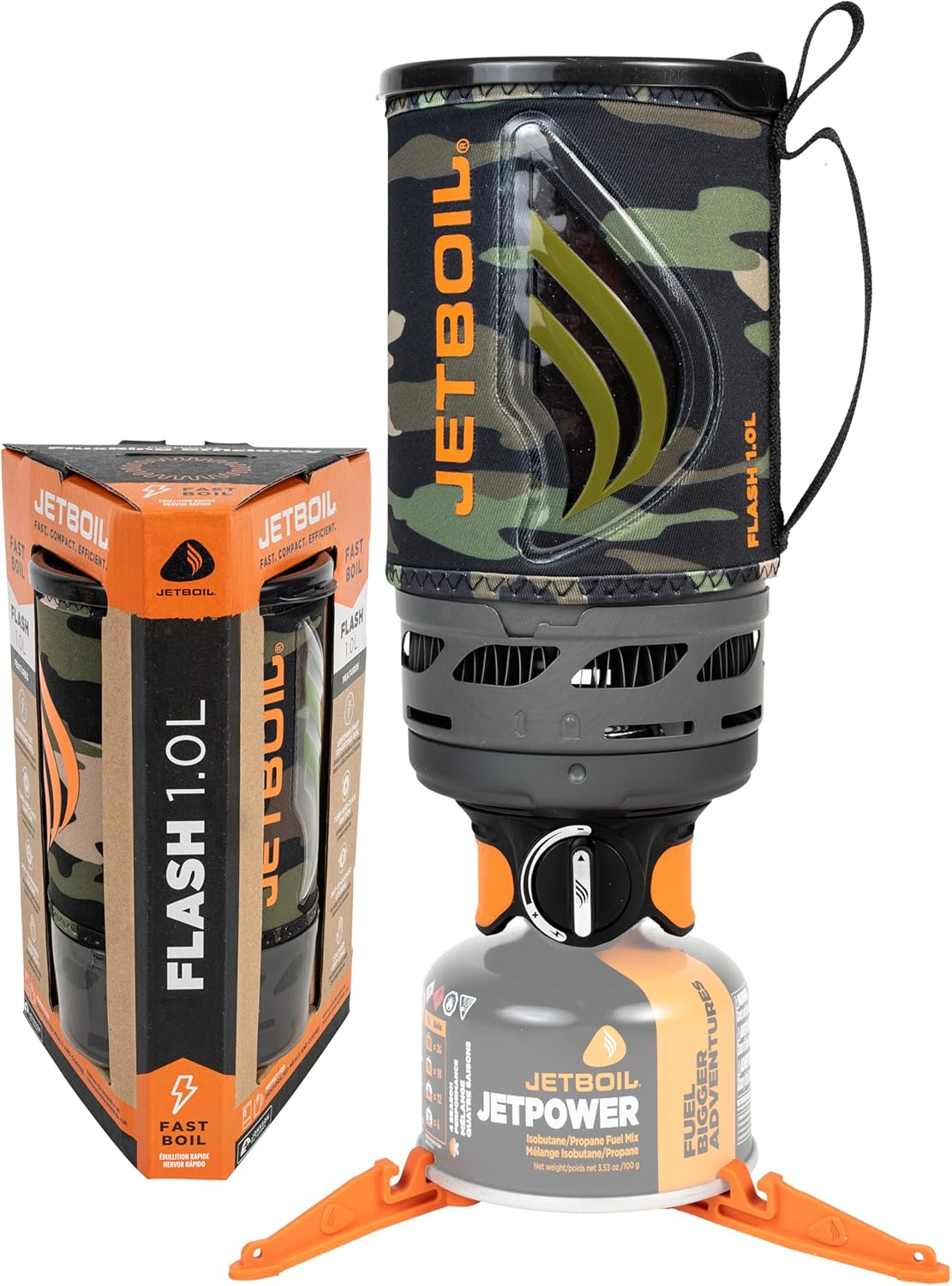
The Jetboil Flash boils half a liter in about 100 seconds and packs its burner, fuel, and pot into one 1 L container.
Apartment renters and go-bag preppers can appreciate the Jetboil Flash. You should consider the Jetboil Flash as the boil-water layer of a power outage emergency kit, for coffee, freeze-dried meals, and instant anything.
- Boils 0.5 L in about 100 seconds (per manufacturer)
- About 60 minutes of burn per 8 oz isobutane canister
- Integrated insulated 1 L pot with a heat-indicating cozy
- Piezo push-button ignition
- 12.2 oz packed, 4.1 x 7.1 in
Pros
- Fastest boil speed in its class.
- Everything nests into the pot for easy packing.
- 12.2 oz fits any kit or vehicle.
- Push-button start.
Cons
- It’s a boil-water tool, not a real cooking stove.
- Wind noticeably increases boiling time.
- Isobutane doesn’t work well below freezing.
Jetboil Flash reviews
Owners rate the Jetboil Flash 4.8 stars on Amazon. Reviewers appreciate the fast boil speed and the self-contained design. The drawbacks are poor simmering power and that it isn’t compatible with other types of pots.
Should you buy the Jetboil Flash?
You should buy the Jetboil Flash as the compact backup that turns stored water and an emergency food kit pouch into a hot meal. You should pass on it as your only stove if outage cooking requires using actual pans, where a two-burner option is better.
5. Coleman Cascade 3-in-1
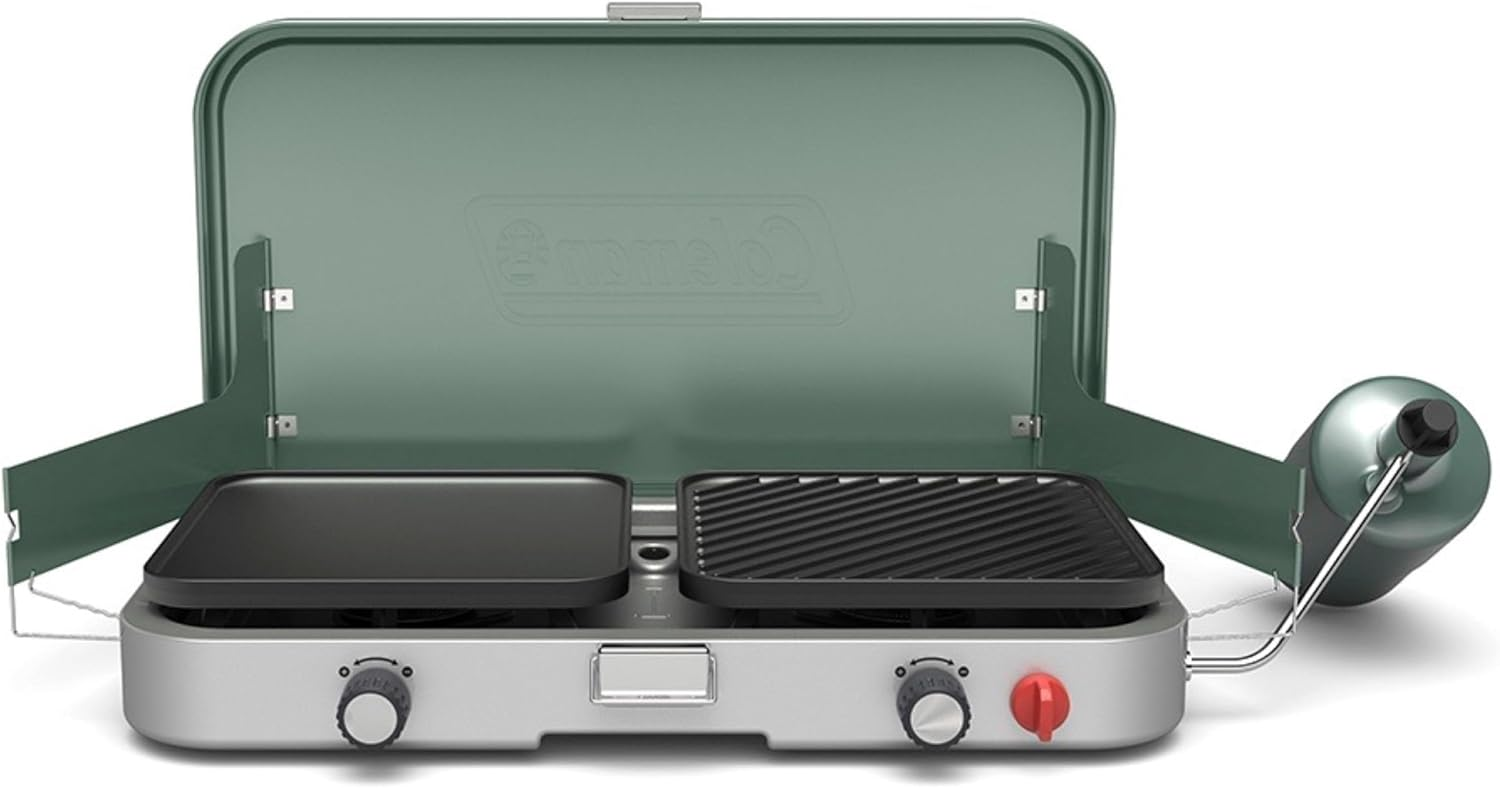
The Coleman Cascade 3-in-1 supports cast-iron grill and griddle plates over two 12,000 BTU burners, so one unit covers stove, grill, and griddle jobs.
Households that already cook outdoors get the most versatility with the Coleman Cascade 3-in-1. You might consider the Cascade 3-in-1 if you want outage cooking gear that can stand in for weekend grill duty the rest of the year.
- Two 12,000 BTU burners, 24,000 BTU total
- Swappable cast-iron grill and griddle plates with a carry pouch
- About 1.5 to 2 hours per 1 lb propane bottle on high
- Rotary piezo ignition
- 12.95 lbs with a 22 x 13.2 in cooking surface
Pros
- Stove, grill, and griddle in one product.
- Cast iron sears and holds heat.
- Runs long on a 1 lb bottle at 24,000 BTU.
Cons
- Costs about $290 before discounts.
- Small wind guards struggle in gusts.
Coleman Cascade 3-in-1 reviews
Owners rate the Cascade 3-in-1 about 4.6 stars across 400 ratings. Reviewers praise the three cooking modes and the heat control. Complaints name griddle hot spots, the small handle, and wind sensitivity.
Should you buy the Coleman Cascade 3-in-1?
You should buy the Cascade 3-in-1 if you'll use the grill and griddle between storms, because dual-purpose gear actually gets maintained. You should pass on it if you only need cooking gear for outages, where the Everest 2X offers more burner power for less money.
Outages take the kitchen down with the lights
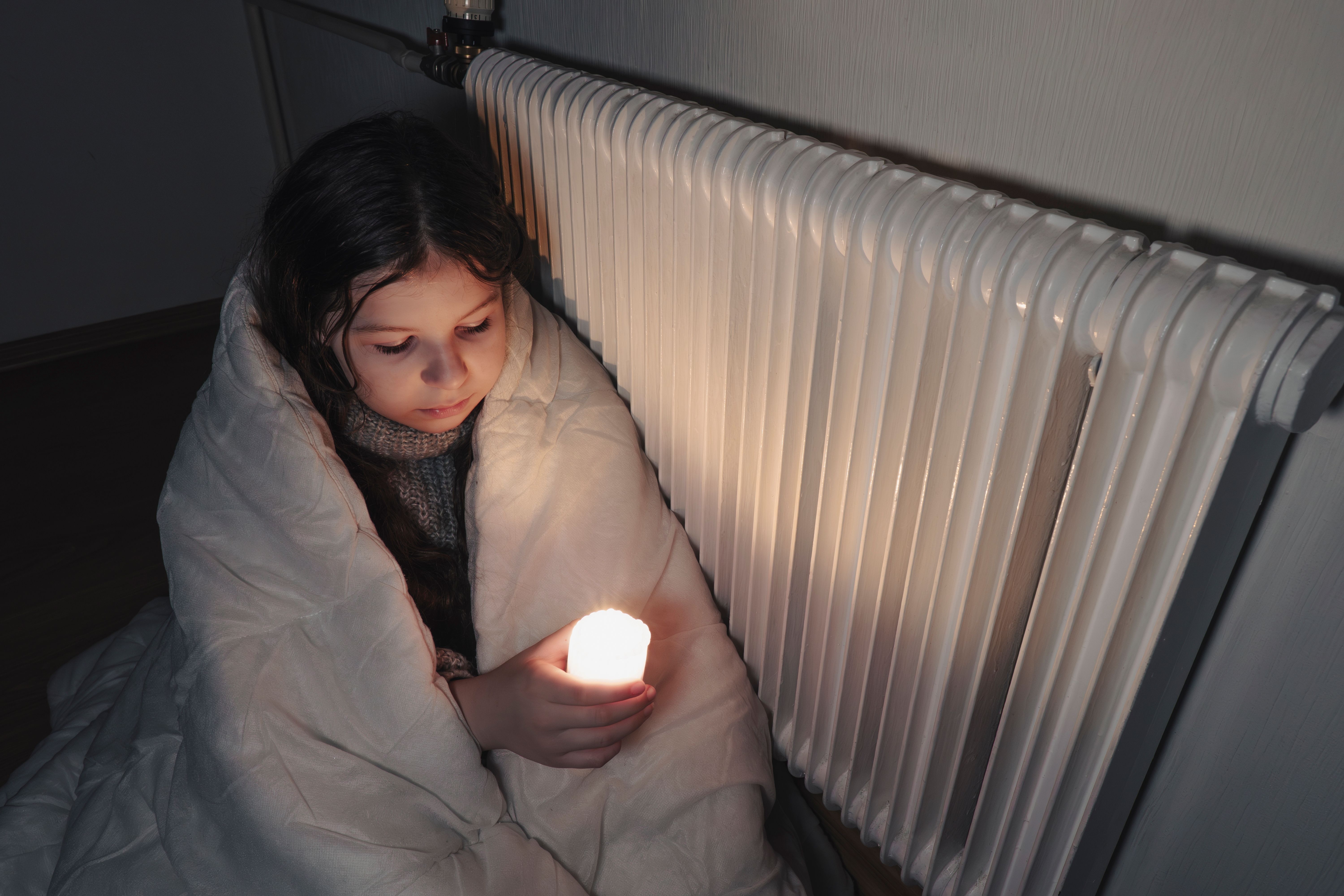
Winter Storm Fern cut power to over 1 million customers across the South in January 2026, and the hardest-hit areas went 6 days dark. In freezing weather, 6 days of a winter storm power outage means 18 meals with no working range.
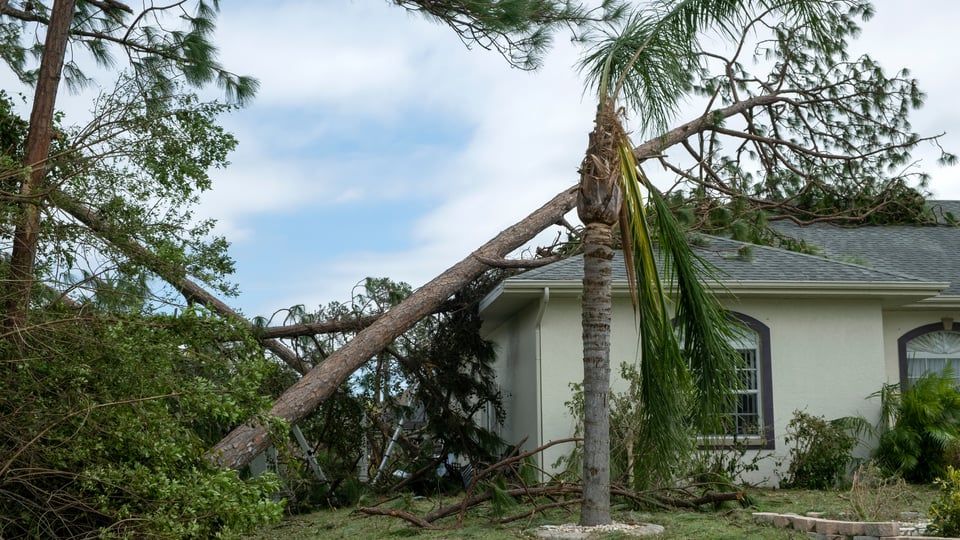
Hurricane Helene knocked out 4.79 million customers in September 2024, and parts of western North Carolina stayed dark for 14 days. That's two weeks of a hurricane power outage, where a camp stove steps in as the kitchen stove.
How to choose a camp stove for power outages
Consider the fuel type you can get, how long you need to run a stove, and whether you need one burner or more for your meals.
- Fuel you can actually get: Propane 1 lb bottles are the most common outage fuel, and a 20 lb grill tank already in the garage beats any canister for days-long cooking.
- Runtime math: A 1 lb propane bottle runs a two-burner stove about 1 to 1.5 hours on high, and 2 to 4 hours of real medium-flame cooking. You should stock canisters to match your area's restoration times.
- Burners vs your meals: One burner is suited for one-pot meals; two burners cook for a family.
- Outdoors only, always: Camp stoves produce carbon monoxide, the same reason generator safety rules exist. Cook on the porch, patio, or driveway, never inside, in a garage, or in a tent.
- Buy fuel with the stove: Canisters sell out ahead of named storms, so fuel belongs in your storm prep before the season starts.