
Taking the do-it-yourself route can potentially save you money compared to hiring professional installers. However, it also comes with some significant risks to your equipment, your home, and your health if it isn’t done properly.
In this article, we talk about what is involved in a DIY solar panel installation and the key considerations of each step. We also go over a few steps in which hiring a professional may be the better choice.
What DIY solar installation really involves
While it is indeed possible to install your own solar energy system, it may involve more than you think. Before deciding whether a DIY solar installation is something you can manage, consider the scope of the project and the things you need to consider.
DIY solar planning
Careful planning and calculation should be the first step of any DIY solar project. Your planning process will help you find the right solar panels and other equipment for your site and help you avoid major compatibility and structural issues.
The things you should plan before taking any other steps include:
- Site planning: You’ll need to take down the dimensions of your roof and its structural elements to accurately estimate how many solar panels you can install. It’s also a good idea to observe which parts of your roof get the most daylight and factor that into your planning.
- Load calculation: Another metric you’ll need is your energy load—or, the amount of power being used at one time. This figure will determine the size of the solar system you need to fulfill your energy needs. The easiest way to get a rough estimate is to check your power bill to see how many kilowatt-hours (kWh) you use in a month and divide that by 30 for a daily rate. For more accuracy, you should also consider seasonal variations and your home’s peak energy usage to avoid undersizing the system.
- Solar capacity planning: Once you have your average daily energy load, you can use that number to determine the capacity of the solar system you need. Most experts recommend planning for system losses of roughly 10 to 20% due to inverter inefficiency, shading, temperature, and wiring resistance, though in some setups, losses can reach about 25%. For example, if your daily energy load is 25 kWh, you should invest in a system with a capacity of at least 31.25 kWh to comfortably meet your needs.
- Panel layout: It’s also a good idea to plan the layout of your solar panels ahead of time. This allows you to troubleshoot things like difficult mounting locations and temporary shading you may have otherwise missed.
Infrastructure setup
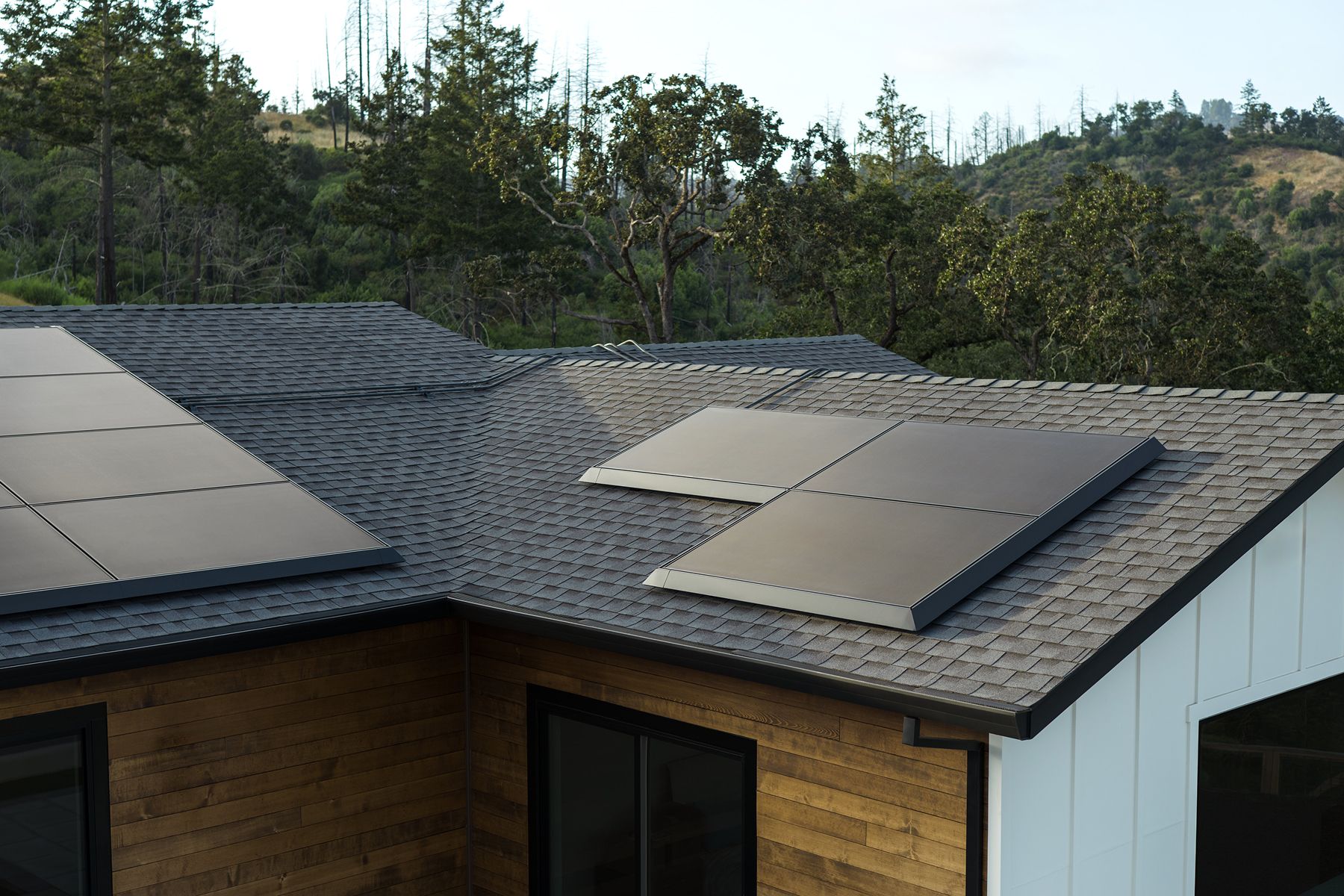
Your DIY energy system requires solar racking to mount it and secure it to your roof or other surface. This infrastructure must be set up before trying to install your solar panels.
To ensure seamless mounting, take the time to plan out where mounting brackets and framing will go before securing any of the hardware. This will alert you to any potential problems caused by a lack of space or the shape of your roof. Once you’ve mounted all of the framing and other hardware, you can install the panels themselves. Be sure to account for local wind and snow load ratings when mounting, as requirements can vary by region.
Electrical work
After your panels have been installed and secured, the last step is to connect the electrical elements. We strongly encourage getting the help of a professional with this step, as working with high-voltage electricity is very dangerous if not done properly.
To get your solar energy system running, you need to connect it to the solar inverter, which then must be spliced into your main electrical line or connected separately. In most jurisdictions, this final tie-in must be performed or inspected by a licensed electrician to meet code and utility requirements.
If you are adding a solar battery to your setup, that will also need to be connected to the system. Battery integration adds extra cost and complexity, including charge controllers and compliance with fire-safety codes. Finally, if you want to be able to send energy back to the grid for net metering purposes, you’ll also have to install a two-way connection between your system and grid infrastructure.
DIY solar installation: Key steps
In the table below, we’ve outlined the main steps to installing your own solar panels, along with why that step matters and what you should look out for at that step.
| Key step | Why it matters | What to watch for |
|---|---|---|
| System planning | Ensures correct size and performance | Mistakes lead to underpowered or unsafe setups |
| Panel mounting | Secures panels to roof or ground safely | Poor mounting risks leaks or wind damage |
| Wiring and connections | Needed for power flow and safety | Incorrect wiring can cause shorts or fire |
| Inverter setup | Converts DC to usable AC power | Must match system size and voltage |
| Battery integration | Optional but adds backup power | Needs a proper charge controller and safety features |
| Permits and inspections | Required in most areas for grid connection | DIY installs can face approval delays |
| Utility approval | Needed for net metering or grid-tie | Applications must meet utility specs |
| Tool and safety gear | Needed for electrical and roof work | Missing tools increase risk of injury or damage |
| Code compliance | Required for insurance and resale | May need electrician to sign off |
| Time commitment | Full install can take days or weeks | Be prepared for a complex, step-by-step process |
Understand electrical requirements
The electrical connections and infrastructure are where you have the least room for error in a DIY solar installation. Poorly-calculated or improperly-installed electrical equipment can fail to work, damage your energy system, or pose serious health and safety hazards.
Legal and regulatory requirements
Even if you install it yourself, your DIY solar setup still needs to remain in compliance with relevant laws. This is another area where a professional can be of assistance.
At the federal level, all home electrical systems must meet standards in the National Electrical Code (NEC). While set at the national level, these standards are enforced at the local level. They include guidance on installation practices, marking, grounding, and more.
You’ll also need to secure one or more permits from your local authorities. These usually require some paperwork and may require an inspection from the relevant department. Depending on your city or state, building, electrical, and utility interconnection permits may all be required before you can operate or qualify for incentives.
Equipment requirements
Your DIY solar kit needs to include proper safety equipment to prevent fires and other hazards. This includes components like:
- Electrical breakers: Electrical switches that automatically shut off when an overload or short circuit is detected.
- Electrical conduit: Casing made from plastic or other materials that surrounds wires and other electrical equipment to protect it from water and other sources of damage while also preventing wires from coming into contact with each other.
- Emergency shutoff switches: Your DIY solar setup should also include at least one shutoff switch that allows you to stop the current when there is an overload, short circuit, or other hazard that fails to trip the breakers.
Manage the project timeline
Simply put, installing your solar panels on your own will probably take much longer than you think. While the physical labor of installing equipment and connecting electrical components may not take more than a few days to do yourself, there are lots of other elements that extend the installation timeline. These include:
- Sourcing components: If you are being as careful as you should be when buying the equipment for your DIY solar system, figuring out which equipment you need and shopping around for the best deals will likely take some time.
- Coordinating labor: Finding workers to help you with the installation also takes time, and coordinating multiple schedules to enable everyone to show up on the same day can require you to push your installation date out weeks or months into the future.
- Permitting: It can take days or weeks after applying for the proper permits to get them granted.
- Inspections: If your DIY solar energy system needs to be inspected, you’ll have to make an appointment with an inspector in your area, which depends on their availability. In many cases, you’ll need to have multiple inspections at different phases of the installation.
The total timeline from planning to activation can range from several weeks to a few months, depending on local processes.
Know when to get help installing solar
There’s a lot a reasonably handy person can tackle in a DIY solar panel setup, but knowing your limits is essential. Hiring a professional may cost more upfront, yet it can prevent costly mistakes later. A licensed electrician can make sure your system is wired safely and up to code, minimizing the risk of electrical hazards that could damage equipment, harm your home, or endanger your family.
It’s also wise to have a structural engineer evaluate your roof before installation to confirm it can support the panels and racking. And if you plan to connect your system to the utility grid, a professional may be required. Many utilities mandate that a certified electrician handle or sign off on the interconnection before activation, so check those requirements early in the process.
Bottom line: DIY solar installation requires skill and planning
Installing your own solar energy equipment is indeed possible, and it can actually save you some money, at least in the short term. But there are many potential pitfalls with consequences ranging from minor to catastrophic.
Professionals like solar installers, electricians, and structural engineers don’t just know how to do their jobs physically. They’re also knowledgeable about all of the things that need to be taken into consideration (like whether solar panels are a good idea in the first place)
The good news is it’s not all or nothing when it comes to DIY solar installations. You can find parts of the job you feel comfortable with or that leave lots of room for error and learning to do yourself and entrust more critical parts of the job to those who know how to do it best.