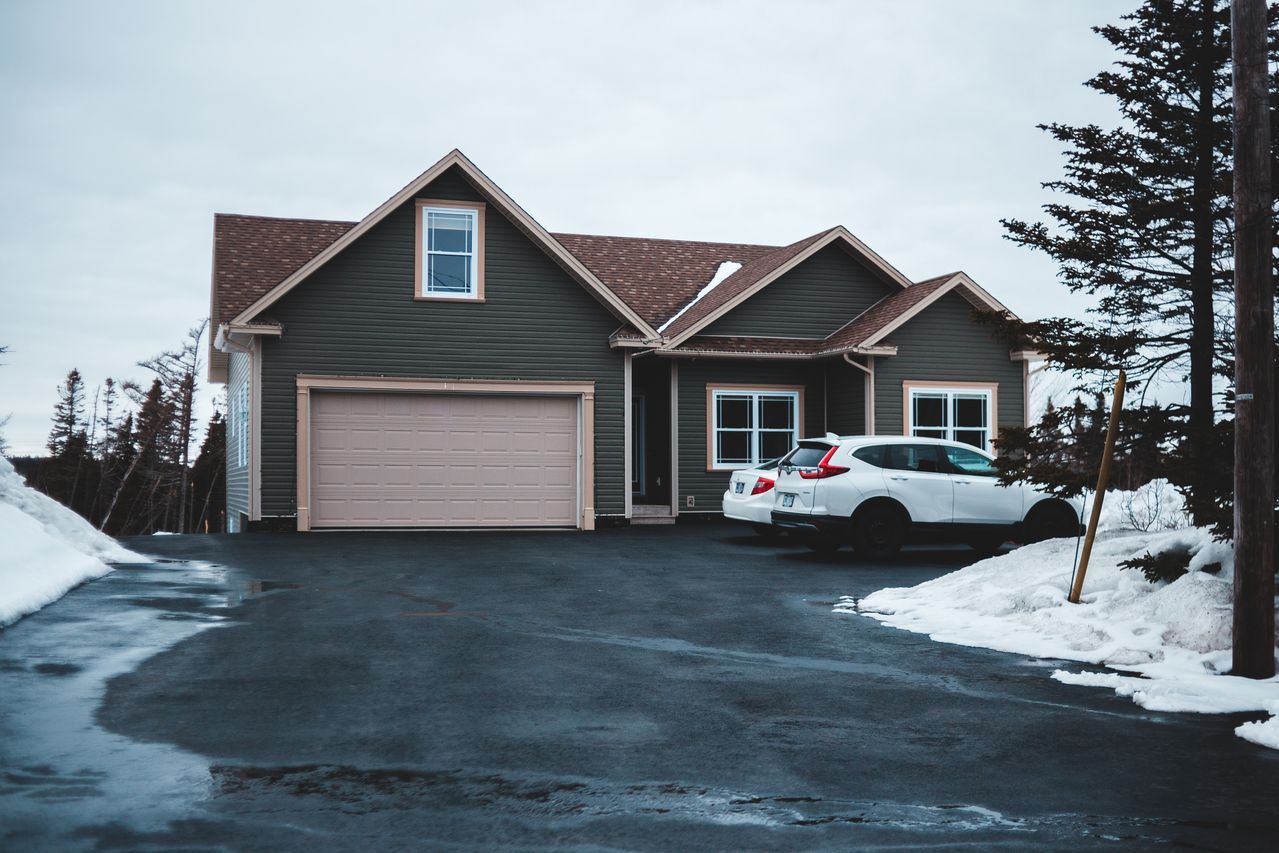

PowerOutage.us tracks 950+ utilities serving more than 200 million customers, so we see how severe weather disrupts homes. During severe weather, our live outage maps show where disruptions spread, giving homeowners added context for checking their roofs after the storm.
What roof damage insurance coverage actually covers
Roof damage insurance coverage is the right policy benefit to use when a covered windstorm, hailstorm, lightning strike, fire, or falling tree damages the roof. The cause must be sudden and accidental. The insurer then applies the dwelling limit, deductible, exclusions, and settlement method shown in the homeowners insurance policy.
Covered roof damage starts with five common perils: wind, hail, lightning, fire, and falling trees.
- Wind lifts shingles, tears roofing materials from the deck, and opens seams around flashing.
- Hail cracks shingles, bruises asphalt mats, and breaks tile or metal roofing finishes.
- Lightning ignites roofing materials or starts a structural fire.
- Fire burns roof coverings, decking, rafters, and attic components.
- A falling tree punctures the roof, breaks framing, and exposes the interior to rain.
Dwelling coverage protects the roof because the roof forms part of the home's structure. A covered loss can pay for roof repairs or an entire roof replacement when spot repairs can't restore the damaged area. But the policy controls the scope of everything. Matching rules, material availability, building code requirements, and policy limits can change the final cost.
What influences coverage
Severe weather labels don't decide coverage. The direct cause does. A hurricane, tornado, snowstorm, or severe thunderstorm can all produce covered wind or hail damage. However, a hurricane can also produce excluded flood damage. Homeowners should compare the adjuster's cause of loss with the photos, roofing inspection, and local weather record before accepting the decision.
Related damage can also fall under other parts of the home insurance policy. Personal property coverage protects insured belongings damaged by the same covered event. Loss of use coverage pays qualifying additional living expenses when covered roof damage makes the home unfit to occupy. Each property coverage category has separate limits and conditions.
What roof damage insurance coverage excludes
Roof damage insurance coverage is unavailable when wear and tear, neglect, mold, rot, continuous seepage, or floodwater causes the loss. Home insurance covers specific insured events. It doesn't replace an old roof simply because the shingles reached the end of their service life.
Roof coverage exclusions fall into five practical groups: worn materials, neglected defects, mold or rot, repeated water seepage, and flooding.
- Wear and tear includes granule loss, brittle shingles, failed seals, corrosion, and age-related deterioration.
- Neglect includes unrepaired leaks, missing shingles, rotten decking, and other known defects left open to weather.
- Mold and rot develop when moisture remains in the roof assembly or attic.
- Continuous seepage comes from a slow water leak rather than a sudden opening caused by a covered peril.
- Flood damage comes from rising or surface water and requires separate flood insurance.
The source of a roof leak decides the claim. Rain entering through a fresh wind opening can qualify as sudden water damage. Rain entering through old flashing or worn shingles falls under maintenance. Roof leak repair (placeholder for link to roof leak repair) can stop the water, but the repair doesn't turn an excluded condition into a covered loss.
Maintenance
Maintenance records are important to show when a claim comes from a covered peril. Dated invoices, inspection reports, and earlier photos can separate new hail damage from old deterioration. Have a roofing contractor document the physical condition, and the insurance company will decide whether the policy covers the cause.
Flood coverage
Flood coverage requires a separate policy from the National Flood Insurance Program or a private insurer. Standard homeowners policies exclude rising water, including storm surge. Wind-driven rain and floodwater can damage the same house during a hurricane, so the adjuster must separate each cause and expense.
Replacement cost vs. actual cash value: What your roof damage coverage pays
Roof damage insurance coverage is worth more under replacement cost value (RCV) than actual cash value because RCV doesn't subtract depreciation from the covered repair price. Both settlement methods do subtract the applicable deductible. Compare the declarations page, roof endorsement, deductible, and contractor estimate before filing.
Replacement cost value uses the current price of covered labor and materials. A covered roof replacement that costs $10,000 with a $2,000 deductible gives you $8,000 in coverage.
Actual cash value, or ACV, subtracts depreciation first. A 10-year-old roof costs $10,000 to replace but has a $7,000 depreciated value. After a $2,000 deductible, the ACV payment equals $5,000. You pay the remaining $5,000.
Roof repair cost factors
That $3,000 settlement difference can determine whether the homeowner can replace the roof. Roof repair cost provides the price side of the comparison. The insurer's estimate provides the covered scope. A licensed roofer's estimate can expose missing labor, materials, or storm damage.
Wind and hail deductibles are usually higher than the standard deductible. A standard deductible is a fixed amount you pay before insurance covers roof repairs. A wind and hail deductible applies only to wind or hail claims and may be percentage-based. As an example, on a $300,000 insured home, a 2% wind/hail deductible means you pay $6,000 before coverage applies.
How RCV policies pay out
RCV policies often pay in two stages. The first payment reflects actual cash value. The second payment releases recoverable depreciation after completed repairs, final invoices, and proof of payment satisfy the policy.
Deadlines matter in this situation, since a late request can cost the homeowner the remaining replacement benefit.
How roof age cuts your payout
Roof age is a direct settlement factor that can shift coverage from replacement cost value to actual cash value or restrict coverage for poor condition. Insurers review material type, installation date, maintenance, and visible wear when they price or renew a policy.
A 20-year-old roof can still receive payout under a covered storm damage roof repair. That said, its settlement terms can produce a smaller payment. An ACV endorsement subtracts years of depreciation, while a worn or neglected condition can remove part of the repair from coverage.
Roofing materials age at different rates. Asphalt shingles, metal panels, concrete tile, clay tile, and wood shakes carry different service lives and repair methods. The insurer uses the actual material and preloss condition when calculating depreciation.
A new roof can change the insurance decision. New roofing has low wear, protects the dwelling well, and can qualify for discounts.
When roof damage insurance coverage isn't worth claiming
Filing a roof damage claim isn’t a good choice when the repair cost is less than the deductible, ACV depreciation leaves a small payment, or claims history threatens a higher long-term cost.
Repair cost vs. deductible
A $1,500 repair under a $2,000 deductible doesn’t give you any value. Likewise, a $2,300 repair produces little value after the deductible, especially when the insurer removes maintenance or betterment costs.
Low ACV payment
ACV coverage deserves a second calculation. Depreciation can leave the homeowner responsible for most of an older roof replacement. Compare the roofer's price, depreciated value, deductible, excluded work, and expected insurance payment to see if a slim payment is worth it.
Claims history
Companies can review prior property claims and a Comprehensive Loss Underwriting Exchange report, called a CLUE report, when setting premiums or deciding whether to renew a policy. A single roof claim doesn't guarantee a premium increase. However, multiple claims can affect price and availability.
Large claims are worth it
A large covered loss changes the math. Severe hail, wind, or a falling tree can damage the entire roof and create replacement costs far above the deductible. Filing a claim protects the homeowner from that major expense and restores the home's weather barrier.
How to file a roof damage insurance claim
A roof damage insurance claim is strongest when photos, temporary protection, a roofing estimate, prompt notice, and an adjuster inspection document the loss.
Here’s what the claim process includes:
- Damage photos record missing shingles, hail marks, tree impact, interior water damage, and affected belongings before cleanup changes the scene.
- Temporary protection covers openings and limits further loss without hiding the original damage.
- A contractor estimate lists damaged roof sections, labor, materials, disposal, and the recommended repair or replacement.
- Prompt notice gives the insurance company the storm date, cause, contact details, and available evidence within the filing deadline.
- An adjuster report connects the observed damage with coverage, exclusions, depreciation, deductibles, and policy limits.
You should take reasonable steps to prevent more damage when conditions are safe. Emergency roof repair can protect an open structure with tarps or temporary materials. Keep every receipt because covered temporary repairs can qualify for reimbursement.
Stay safe
Roof safety requires a licensed professional when the surface is wet, steep, unstable, or storm-damaged. You shouldn't climb onto a dangerous roof for close photos. Ground-level images, attic photos, and a contractor inspection can document the loss without risk of injury.
Claim record
The claim record should include the policy, claim number, adjuster's name, emails, photos, estimates, receipts, inspection dates, and payment letters. Clear records help the homeowner compare the insurance company's scope with the roofer's scope.
Final coverage decision
A written coverage decision is the final document you’ll get in a claim. It should identify the covered peril, excluded damage, deductible, depreciation, policy limit, and payment. Homeowners who dispute the result should review the cited policy language and follow the policy's appeal or supplemental claim process.