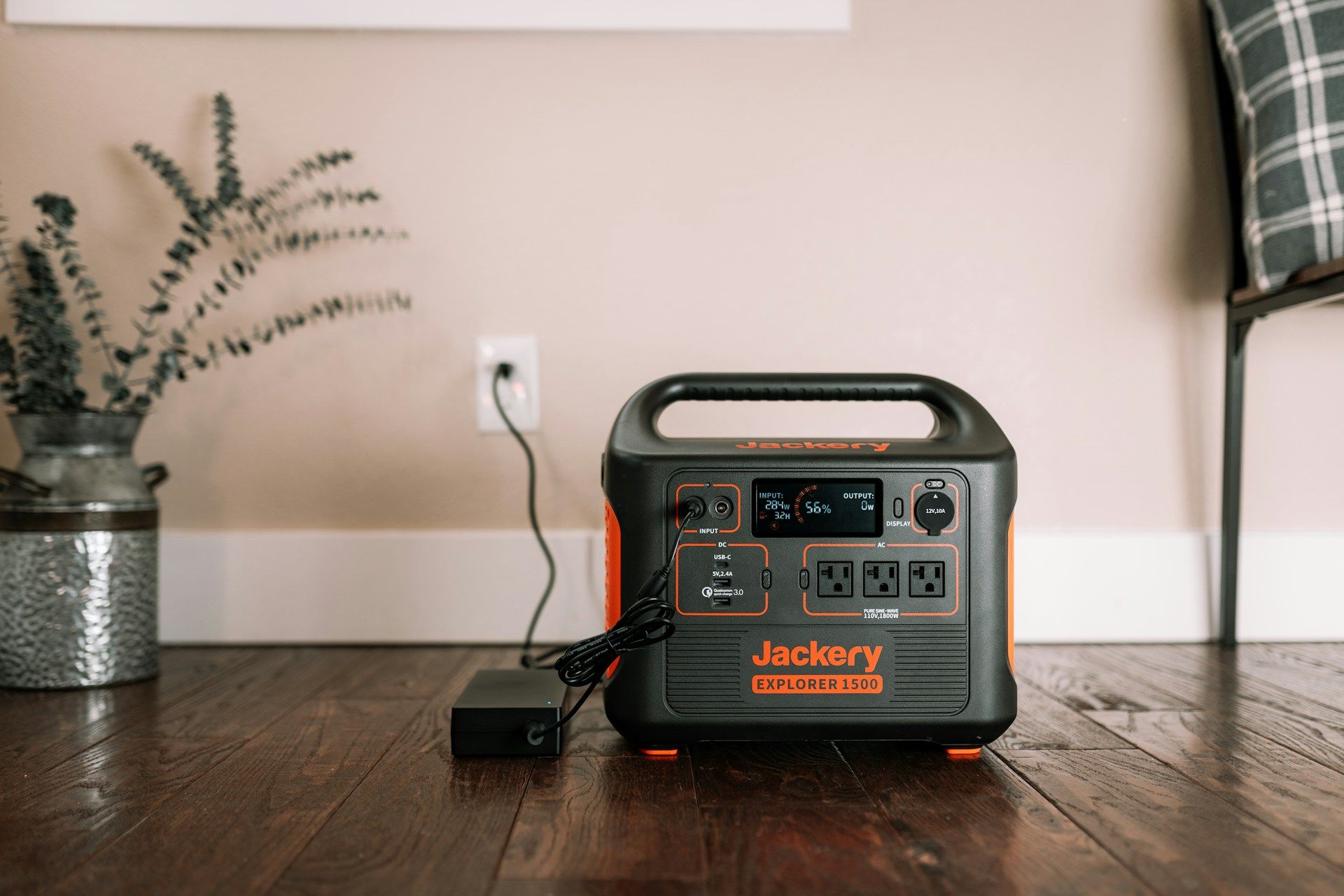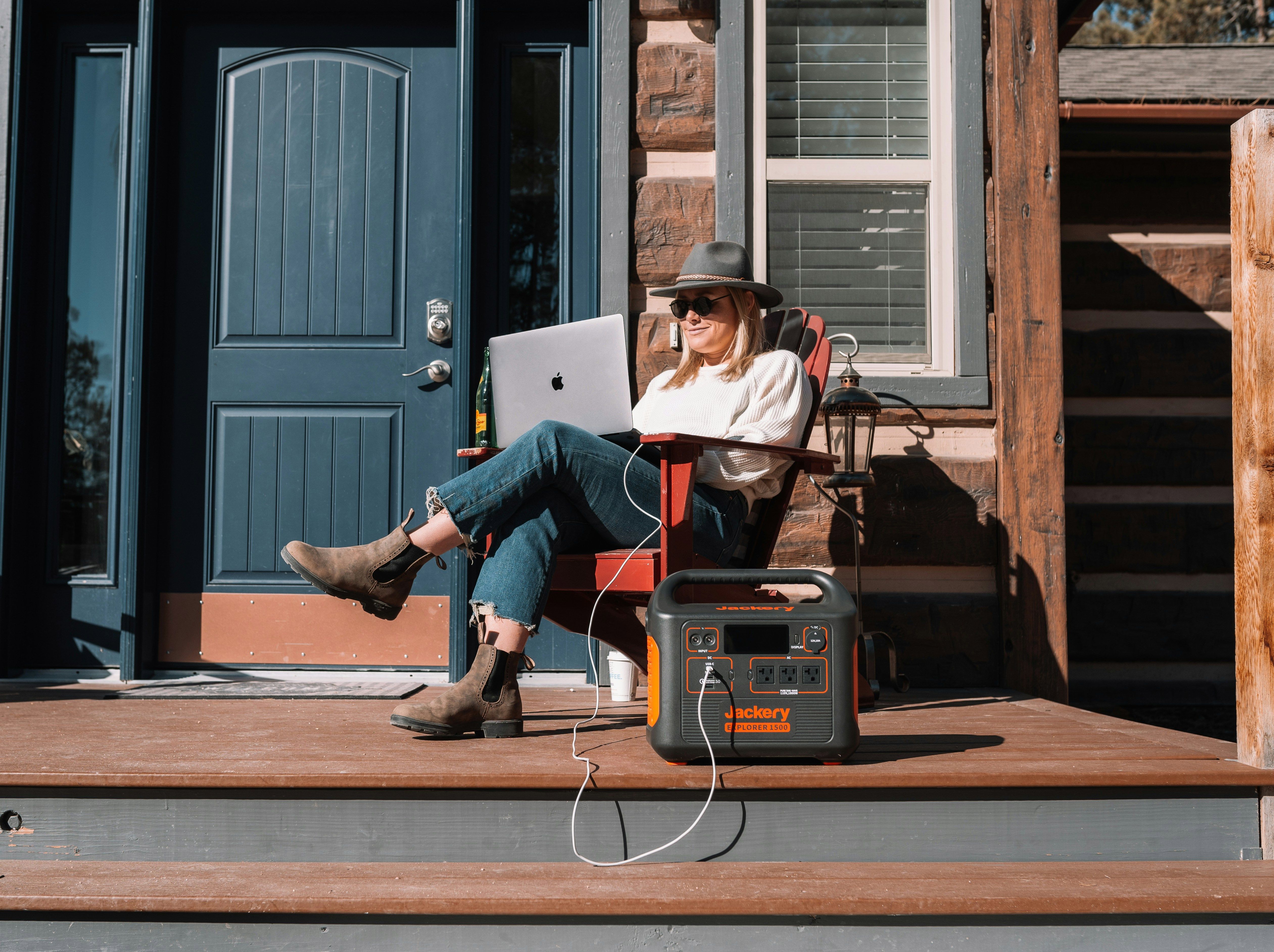


If you rent an apartment, you can't use combustion generators indoors. That limits your backup power options to LFP-based portable stations. Our guide covers six battery backup models from 768 Wh to 2,048 Wh, sized for everything from studios to two-bedroom condos, with a buyer's guide for figuring out your actual load.
At PowerOutage.us, we track outages across 96% of U.S. electricity customers, monitoring over 950 utilities with data refreshing every 10 minutes during live events. That data shapes the duration scenarios in this guide and can help you figure out the right backup for your area.
That trend is worsening. Average U.S. outage duration rose 181% over the past decade, from 236 minutes in 2014 to 662 minutes per customer in 2024, according to the EIA. So backup power is becoming a practical necessity, not just emergency prep.
6 Best portable power stations for apartments
To find the best apartment-specific power stations, we evaluated units on indoor safety, storage footprint, weight (renters move), and LFP battery chemistry. The picks below fall into two tiers: small apartments under 1,000 sq ft with essentials-only loads, and large apartments and condos where a mini fridge or window air conditioner enters the picture.
1. Jackery Explorer 1000 v2
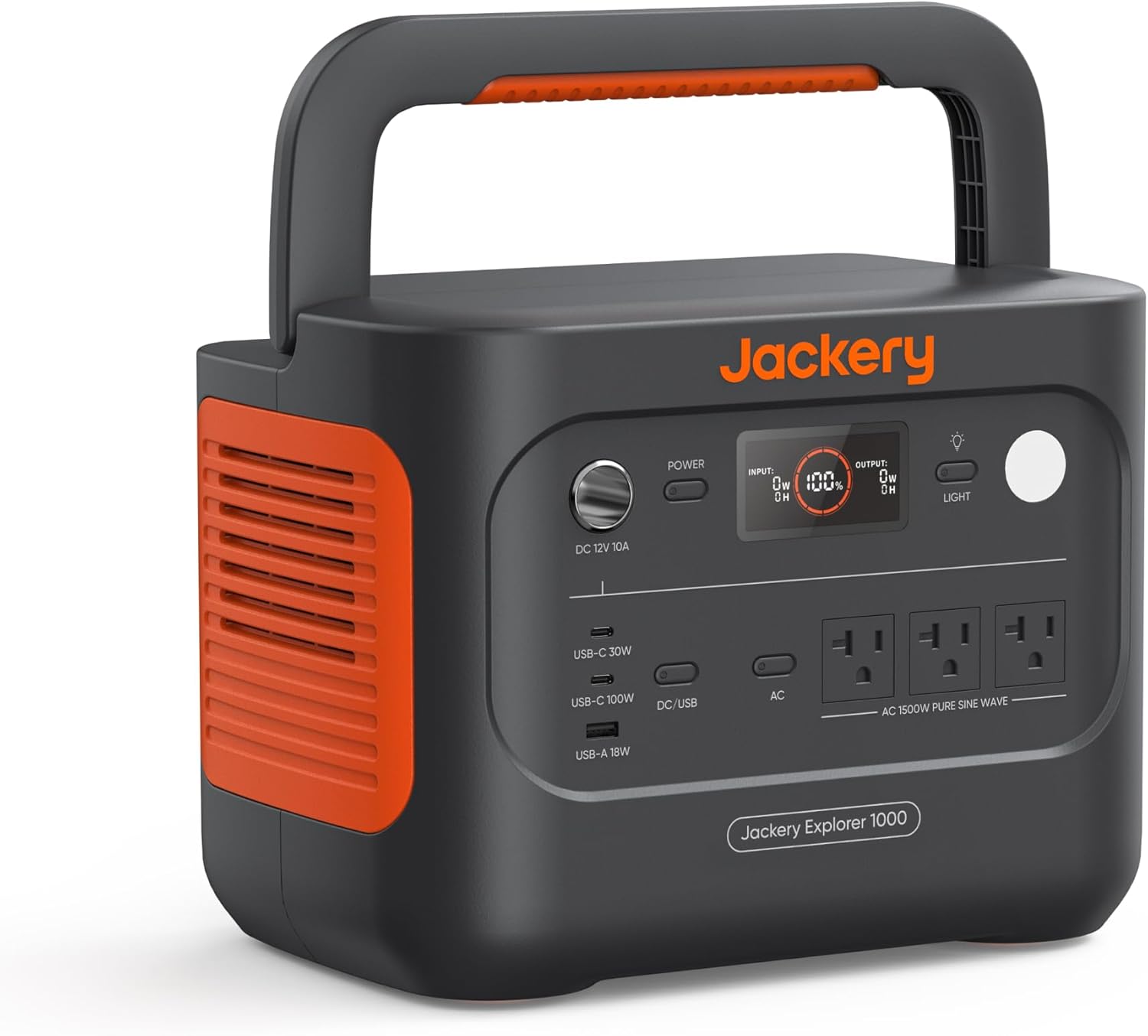
The Jackery Explorer 1000 v2 is the best portable power station in our roundup. It has a 1,070 Wh LFP battery and 1,500 W continuous output to cover the essential load of most studios and one-bedroom units. The 23.8 lb chassis is light enough to move between rooms during a multi-hour blackout.
What are the Jackery Explorer 1000 v2's features?
The Explorer 1000 v2 hits a pretty solid combination of capacity, output, and portability for apartment-scale backup loads.
- Battery: 1,070 Wh LFP (lithium iron phosphate), rated for 4,000+ charge cycles
- Continuous AC output: 1,500 W (pure sine wave)
- Weight: 23.8 lbs
- Charging ports: 2x USB-C at 100 W each (power delivery), 1x USB-A
- AC outlets: 3x standard 110 V
- Recharge time: Under 1 hour with Emergency Super Charge mode
- Price range: $400 to $500
- UPS: Switchover time in under 20 ms
What are the pros and cons of the Jackery Explorer 1000 v2?
The Explorer 1000 v2 has enough capacity for most apartment blackout scenarios without the size or weight hit that comes with 2,000 Wh units.
Pros
- 1,070 Wh handles a 60 W laptop, 15 W router, and 40 W of LED lighting simultaneously for 10 or more hours
- 23.8 lbs is manageable for one person to carry between rooms without strain
- LFP chemistry is thermally stable and safe for bedroom or closet storage
- 100 W USB-C ports charge laptops at the rated speed without an adapter
Cons
- The 1,500 W continuous output hits its ceiling when a standard electric kettle (1,200 to 1,500 W) runs alongside other devices. The combined draw can max out the inverter.
2. EcoFlow RIVER 2 Pro
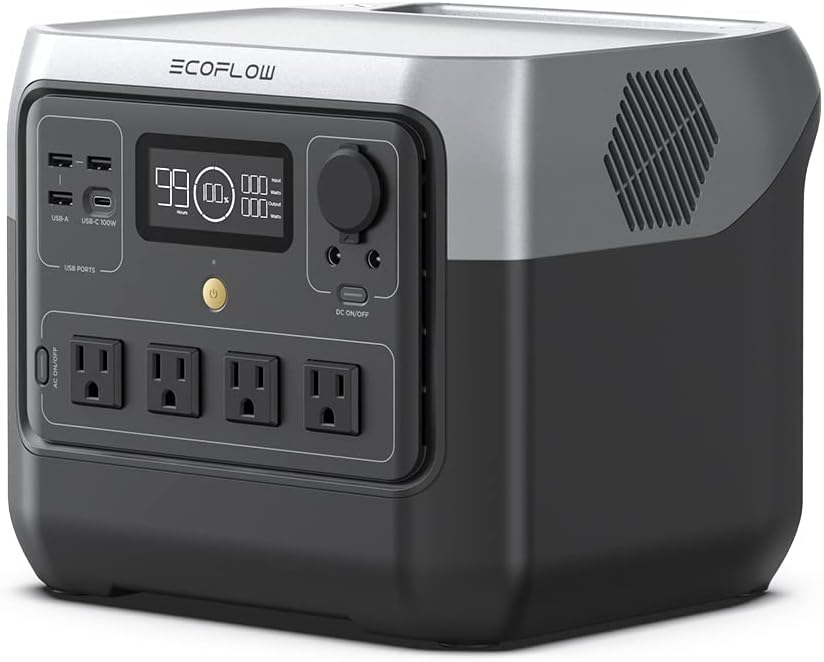
The EcoFlow RIVER 2 Pro is the lightest and fastest-recharging option in this list. It's the best pick for studio renters who want backup for a laptop, phone, and router without spending more than $400. The 70-minute full recharge time is its most practical feature for urban outages where power can cycle on and off.
What are the EcoFlow RIVER 2 Pro's features?
The RIVER 2 Pro prioritizes weight and recharge speed over raw capacity. That makes it a good fit for essentials-only loads in studios and small one-bedroom apartments.
- Battery: 768 Wh LFP
- Continuous AC output: 800 W (EcoFlow X-Boost expands effective output to 1,600 W for compatible high-draw appliances)
- Weight: 18.2 lbs
- Recharge time: 70 minutes via wall outlet (full charge)
- USB-C output: 100 W
- Price range: $300 to $400
EcoFlow's X-Boost inverter algorithm detects appliances that draw more than the rated 800 W and modulates power delivery to run them at reduced wattage instead of tripping the inverter. So a 1,200 W coffee maker runs more slowly under X-Boost but doesn't shut the unit down.
What are the pros and cons of the EcoFlow RIVER 2 Pro?
The RIVER 2 Pro EcoFlow battery wins on portability and recharge speed, but its 768 Wh capacity limits runtime when a mini fridge runs alongside other devices.
Pros
- 70-minute full recharge allows topping off during a brief grid restoration window
- 17.4 lbs is the lightest unit in this list and fits in a large tote bag
- X-Boost allows some high-draw appliances to run at reduced wattage without shutting down
- Strong value at $300 to $400 for the feature set
Cons
- The 768 Wh capacity may not cover overnight food preservation in an extended blackout.
- Renters with a large apartment or multiple appliances will outgrow this capacity quickly.
3. Bluetti AC70
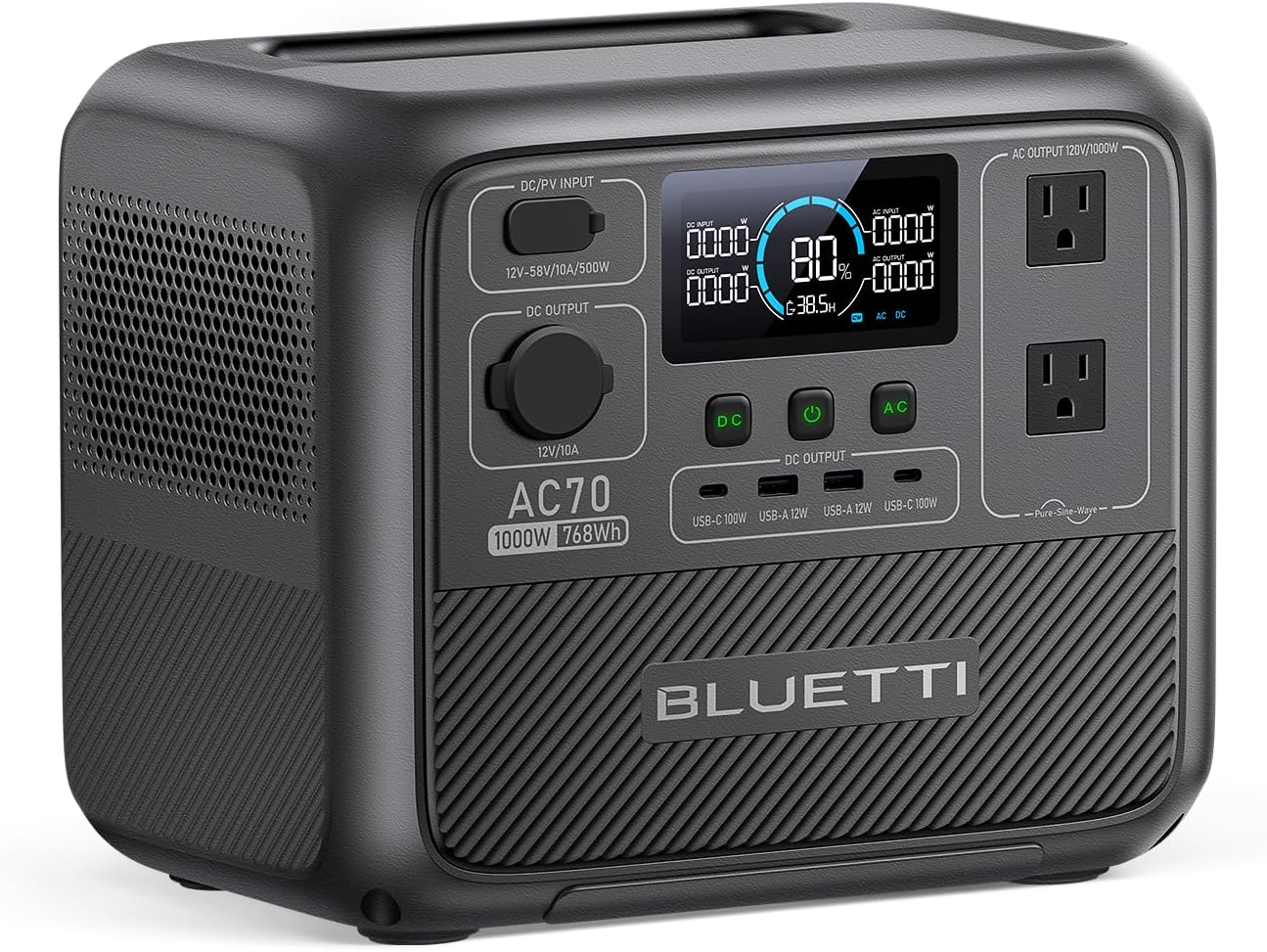
The Bluetti AC70 pairs 768 Wh of LFP capacity with Bluetooth app control. It's one of the best picks for apartment renters who want to monitor battery state and connected device loads from another room. Its 1,000 W continuous output (with 2,000 W surge lifting for brief high-draw motor starts) covers a wider appliance range than entry-level units at the same price.
What are the Bluetti AC70's features?
The AC70 adds app connectivity and a higher continuous output to a 768 Wh LFP platform that otherwise matches the RIVER 2 Pro on capacity.
- Battery: 768 Wh LFP
- Continuous AC output: 1,000 W (2,000 W surge lifting for brief peaks)
- App control: Bluetooth via the Bluetti app
- Recharge time: 45 minutes to 80% via wall outlet
- Price range: $400 to $500
- UPS: Sub-20 ms UPS
The Bluetti app shows real-time watt consumption, remaining runtime, and scheduled charging windows. For apartment renters who leave the unit running overnight in a separate room, app monitoring removes the need to check the physical display.
What are the pros and cons of the Bluetti AC70?
The AC70 has the best app monitoring experience in the small apartment category. But its 768 Wh capacity shares the same runtime ceiling as the EcoFlow RIVER 2 Pro.
Pros
- Bluetooth app shows live watt draw and runtime projection from any room
- 45-minute charge to 80% is nearly as fast as the RIVER 2 Pro
- 2,000 W surge lifting handles brief appliance motor starts, including small refrigerator compressors
- Compact footprint fits on a shelf or under a desk
Cons
- The 768 Wh battery hits the same runtime ceiling as the RIVER 2 Pro at the same price tier.
- A standard electric kettle (1,200 to 1,500 W) draws more than the rated continuous output, so the 2,000 W surge mode is really the only option for brief high-draw use.
4. EcoFlow DELTA 3 Plus
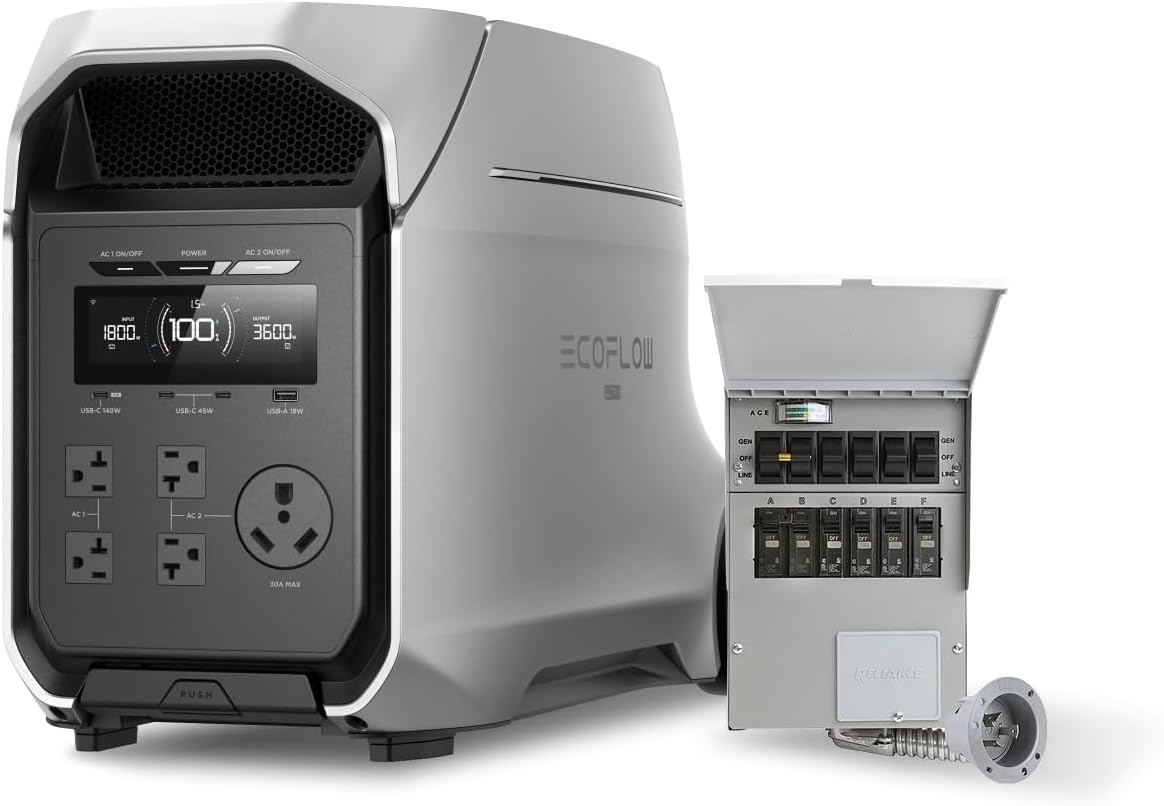
The EcoFlow DELTA 3 Plus is the best starting point for renters in large apartments or condos who want to run a mini fridge alongside a router, laptop, and lights during multi-hour blackouts. Its 1,024 Wh LFP base capacity is expandable to 5 kWh with add-on battery packs, and the 10 ms UPS mode protects a plugged-in router or medical device from any power gap.
What are the EcoFlow DELTA 3 Plus's features?
The DELTA 3 Plus is the only unit in the small-to-mid tier that combines expandable capacity with a 10 ms UPS mode. That makes it a pretty good fit for renters with ongoing or growing backup power needs.
- Battery: 1,024 Wh LFP, expandable to 5 kWh via EcoFlow extra batteries
- Continuous AC output: 1,800 W
- UPS mode: 10 ms transfer time
- App control: Yes, via EcoFlow app
- Price range: Around $600
The 10 ms UPS transfer time is fast enough that a Wi-Fi router or desktop computer doesn't register the switch to battery. If you're running a CPAP machine or home office equipment, check the medical device power outage checklist for additional prep steps.
What are the pros and cons of the EcoFlow DELTA 3 Plus?
The DELTA 3 Plus has the best combination of capacity, expandability, and UPS capability in the large apartment tier. But the $700 to $800 price is a significant step up from small apartment options.
Pros
- 1,800 W output runs a mini fridge and laptop simultaneously without strain
- Expandable to 5 kWh for renters who anticipate longer or more frequent outages
- 10 ms UPS protects sensitive electronics from any gap in power delivery
- EcoFlow app provides real-time load monitoring and scheduled charge management
Cons
- At base 1,024 Wh capacity, running an 80 W fridge alongside a 200 W combined essentials load delivers roughly 4 to 5 hours of runtime before depletion.
- Renters who need overnight coverage without buying expansion batteries should look at the Bluetti Elite 200 V2 instead.
5. Bluetti Elite 200 V2

The Bluetti Elite 200 V2 has the largest out-of-the-box capacity in this list at 2,073.6 Wh. That makes it the best pick for condo renters who want to run a full-size mini fridge alongside all household devices for 24 or more hours without expanding the system. Its 2,600 W continuous output handles a wider range of kitchen appliances than any other unit here.
What are the Bluetti Elite 200 V2's features?
The Elite 200 V2 has the highest combination of base capacity and continuous output in this list. It's a good fit for two-bedroom condos with multiple simultaneous loads.
- Battery: 2,073.6 Wh LFP
- Continuous AC output: 2,600 W (10 ms UPS mode)
- Outlets: 11 ports (4x AC, 2x USB-A, 2x USB-C, 1x car port, 1x DC, 1x NEMA TT-30)
- UPS mode: 15 ms transfer time
- Expandability: Yes, via additional Bluetti battery packs
- Price range: $1,200 to $1,600
A 2,073.6 Wh LFP battery running an 80 W mini fridge, 60 W laptop, 15 W router, and 40 W lighting load (195 W combined) delivers roughly 10 hours of runtime before running out. That covers an overnight blackout in most residential scenarios without solar recharging.
What are the pros and cons of the Bluetti Elite 200 V2?
The Elite 200 V2 is the most capable portable unit for condo-scale overnight coverage, but its weight and price go beyond what most studio or one-bedroom renters need.
Pros
- 2,073.6 Wh base capacity covers a full night of essentials loads without solar or wall recharge
- 2,600 W output runs a window air conditioner (600 to 1,000 W) or an electric kettle alongside other devices
- 11 outlets support every device simultaneously without a power strip
- 10 ms UPS mode protects routers and CPAP machines from any interruption
Cons
- The Elite 200 V2 is the heaviest unit in this list, so moving it between rooms is less practical for daily use.
- $1,200 to $1,600 is a hefty price for renters who experience only occasional short outages.
6. Anker Solix C1000 Gen 2
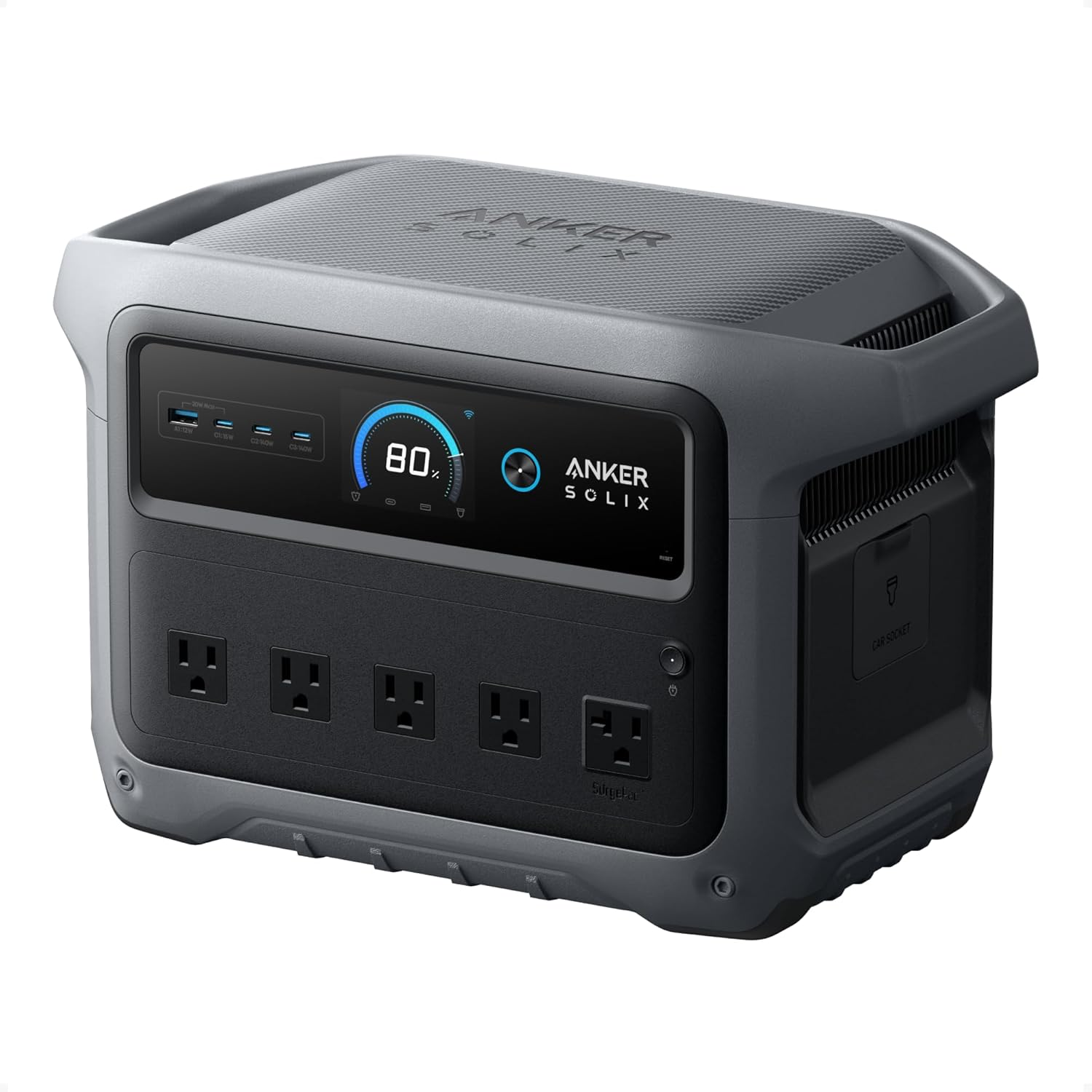
The Anker Solix C1000 Gen 2 recharges from zero to full in 49 minutes, the fastest wall-charge time in this list. That makes it the best pick for apartment renters in areas with cycling grid failures where power returns briefly before going out again. Its 1,024 Wh LFP battery and 2,000 W output match the EcoFlow DELTA 3 Plus in capacity, with recharge speed as the differentiator.
What are the Anker Solix C1000 Gen 2's features?
The C1000 Gen 2 is optimized for frequent recharge cycles in outage-prone areas, combining a 49-minute full recharge with a 10-year rated LFP lifespan.
- Battery: 1,024 Wh LFP, rated for 10-year lifespan
- Continuous AC output: 2,000 W
- Recharge time: 49 minutes (full charge, via wall outlet)
- UPS mode: 10 ms transfer time
- Price range: $370 to $500
The 49-minute recharge window is the most important spec for renters in outage-prone areas. During Hurricane Milton in October 2024, PowerOutage.us recorded grid restoration windows as short as 30 minutes before repeat failures across Florida. A unit that captures most of its capacity in under an hour is a lot more useful than one requiring 4 to 7 hours to recharge.
What are the pros and cons of the Anker Solix C1000 Gen 2?
The C1000 Gen 2 is the best unit for cycling outage scenarios, combining the fastest recharge time in this list with a 10 ms UPS mode that matches the EcoFlow DELTA 3 Plus and Bluetti Elite 200 V2.
Pros
- 49-minute full recharge captures maximum energy during brief grid restoration windows
- 1,024 Wh covers a full overnight essentials load in a one-bedroom apartment
- 10-year LFP lifespan lowers long-term cost of ownership relative to shorter-cycle chemistries
- 2,000 W output runs a mini fridge alongside other devices without strain
Cons
- 10 ms UPS protects routers and CPAP machines from any interruption
- The C1000 Gen 2 doesn't support expandable battery capacity, unlike the EcoFlow DELTA 3 Plus, which can grow to 5 kWh via add-on packs. Renters who anticipate longer outages and need more than 1,024 Wh without buying a second unit should look at the Bluetti Elite 200 V2 instead.
How to size a portable power station for your apartment
Picking the right capacity matters. Too little means running out mid-outage, and too much means paying for watt-hours you never draw.
How do I calculate how many watt-hours my apartment needs?
Multiply each device's wattage by the number of hours you plan to run it, add all totals, then multiply by 1.3 to account for inverter inefficiency and unexpected loads.
Here's an example for a one-bedroom apartment essentials load:
| Device | Wattage | Hours | Total Wh |
|---|---|---|---|
| Laptop | 60 W | 8 h | 480 Wh |
| Wi-Fi router | 15 W | 8 h | 120 Wh |
| LED lighting (two rooms) | 30 W | 6 h | 180 Wh |
| Smartphone charging (two phones) | 20 W | 4 h | 80 Wh |
| Mini fridge (with compressor cycling) | 80 W | 8 h | 640 Wh |
| Subtotal | - | - | 1,500 Wh |
| Plus 30% margin | - | - | 1,950 Wh |
This calculation points toward the Bluetti Elite 200 V2 (2,048 Wh) for full overnight coverage of all five loads. Exclude the fridge and the figure drops to roughly 1,040 Wh, which the Anker Solix C1000 Gen 2 or EcoFlow DELTA 3 Plus covers comfortably.
A plug-in watt meter (available for under $20) measures each appliance's actual draw instead of relying on rated wattage, which tends to overstate real consumption.
Does LiFePO4 battery chemistry matter for apartment use?
LiFePO4 (LFP) chemistry matters specifically because it eliminates the thermal runaway risk associated with older NMC (nickel manganese cobalt) lithium cells. That's why LFP units can be stored safely in a bedroom closet without ventilation. Every unit in this list uses LFP chemistry, so all six are safe for indoor use in multifamily buildings.
LFP cells also hold their rated capacity through 3,000 to 4,000 or more charge cycles before degrading to 80%, compared to 500 to 1,000 cycles for standard NMC lithium. If you recharge once a month, that translates to more than 25 years of useful cell life on the battery chemistry alone.
What is UPS mode?
UPS mode is a portable power station's ability to switch from grid power to battery power within milliseconds of a grid failure, fast enough that connected devices register no interruption. A 10 ms transfer time is fast enough to protect a Wi-Fi router, desktop computer, or CPAP machine from any reset.
Apartment renters who use a CPAP machine, run a home office desktop, or need uninterrupted internet access should look for units with 10 to 20 ms UPS mode. Here are the UPS times from these 6 batteries:
- Jackery Explorer 1000 v2: 20 ms (per Jackery's own spec page)
- EcoFlow RIVER 2 Pro: 30 ms (per EcoFlow's spec page)
- Bluetti AC70: 20 ms
- EcoFlow DELTA 3 Plus: 10 ms
- Bluetti Elite 200 V2: 15 ms
- Anker Solix C1000 Gen 2: 10 ms
How long do apartment blackouts actually last?
Even though grid power usually returns quicker to urban neighborhoods than rural areas, that doesn't mean multi-day blackouts don't happen.
EIA data gives the national picture: the average U.S. electricity customer lost power for approximately 11 hours in 2024, nearly double the prior decade's annual average. Hurricanes Beryl, Helene, and Milton accounted for roughly 80% of those hours. Research from the National Laboratory of the Rockies also finds that battery storage outperforms diesel generators in longer-duration outages. That distinction matters directly for apartment renters who have no outdoor space for a generator.
During Winter Storm Fern in January 2026, PowerOutage.us tracked more than 1,005,641 customers without power at the storm's peak across the Southeast. Nashville, where 48% of residents live in apartment buildings of 20 or more units, saw some areas go 6 or more days without restoration. That's a very different scenario than an outage of a few hours.
Hurricane Milton in October 2024 affected 3.4 million Florida customers, with brief restoration windows of 30 minutes or less before repeat failures. For apartment renters, units with 58- to 70-minute recharge times help claim energy during those windows.
Can you recharge a portable power station from a balcony solar panel?
You can use portable solar panels to recharge a power station without roof access or landlord approval for permanent installation. That makes them the most practical renewable recharge option in a multifamily building.
A single 200 W monocrystalline solar panel on a south-facing balcony in direct sunlight produces roughly 100 to 160 W of actual output after conversion losses.
The limiting factor is the maximum solar input wattage on the apartment battery generator. The EcoFlow DELTA 3 Plus accepts up to 500 W and the Anker Solix C1000 Gen 2 accepts 400 W. Pairing either unit with two 200 W panels recharges a 1,056 Wh battery in 3 to 5 hours in optimal conditions. Balconies facing east or west rather than south reduce output by 25 to 40% and extend recharge time. Battery backup without solar can still be effective during regular or rolling blackouts.
Are portable power stations safe to use inside an apartment?
LFP-based portable power stations are completely safe indoors without ventilation requirements. That's a pretty big advantage they hold over combustion generators.
A gasoline or propane inverter generator produces carbon monoxide and requires outdoor placement at least 20 feet from windows and doors. Gasoline generators kill approximately 700 Americans annually and send roughly 15,000 more to the hospital each year due to CO poisoning. That number is why the indoor-use prohibition in multifamily buildings is a life-safety rule, not a technicality. An LFP station produces no combustion byproducts and operates in a kitchen, bedroom, or closet without restriction.
The only relevant indoor safety consideration is ambient temperature. LFP cells in the units listed here operate safely between 14°F and 113°F (roughly -10°C to 45°C). Running a unit near a heat source in a sealed cabinet during summer can reduce output efficiency, but it doesn't create a fire hazard under normal residential conditions.
For long-term storage between outages, a climate-controlled interior location preserves battery capacity better than a car trunk or unventilated storage unit. For capacity guidance on food preservation during a blackout, see the best battery for refrigerator backup guide.
Quick recap
The Jackery Explorer 1000 v2 is the best portable power station for its combination of power, weight, and charging speed. For larger apartments, the EcoFlow DELTA 3 Plus adds UPS and expandability, and the Anker Solix C1000 Gen 2 is pretty much unmatched for cycling outages.