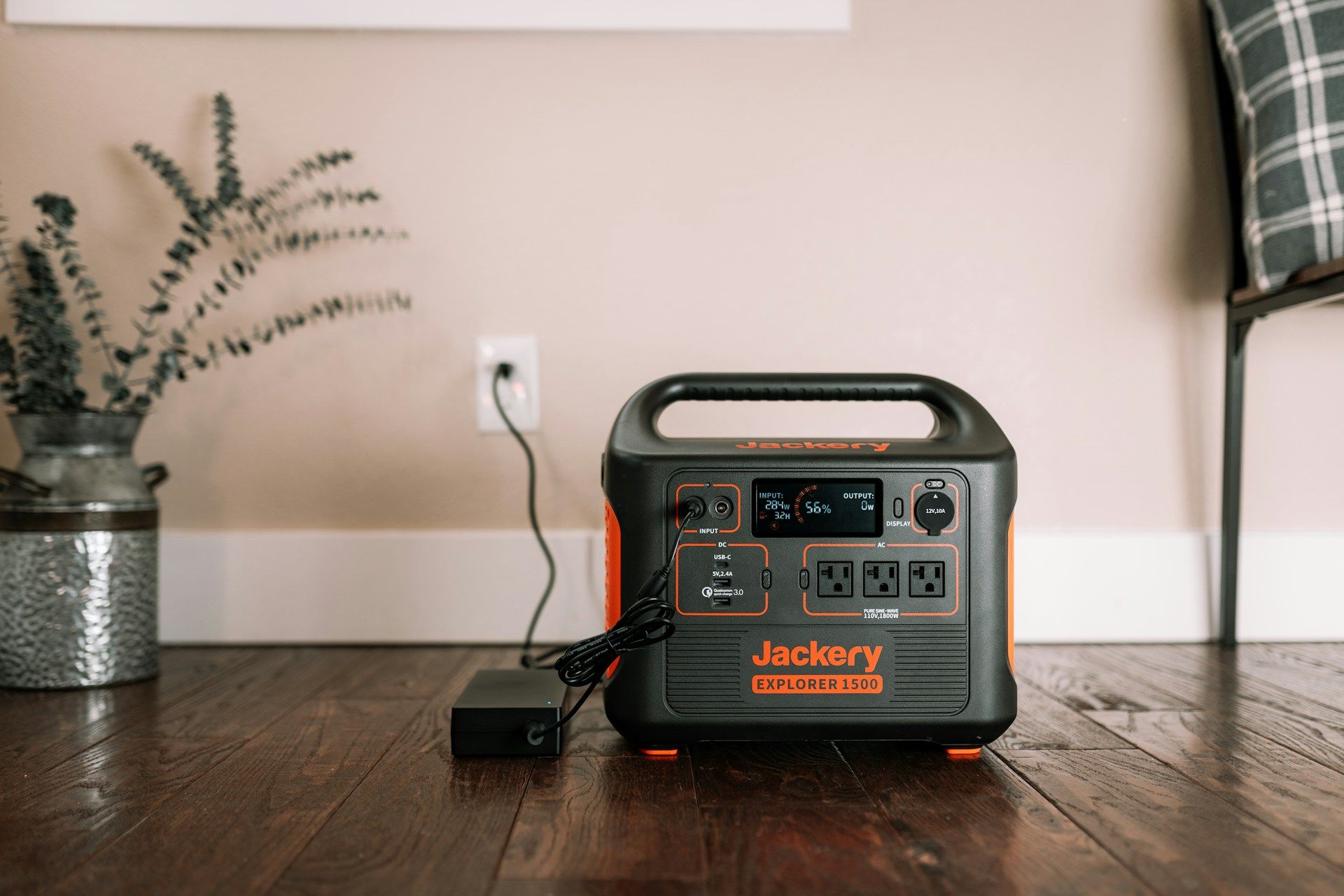

If you want reliable home battery backup protection for the next hurricane, pay attention to capacity, output voltage, and transfer speed. Each specification determines which appliances stay on and for how long. We’ll cover the best home batteries for hurricane-prone areas in this article.
PowerOutage.us monitors 950-plus utilities serving over 200 million U.S. customers and refreshes outage data every 10 minutes during storm events. That storm-scale coverage of Florida, Louisiana, and Texas outages grounds the battery capacity and runtime recommendations in this guide.
Best home batteries for hurricane-prone areas in 2026
We rank the five systems below for performance under the specific conditions that hurricane-season outages produce: multi-day duration, high heat loads, limited grid access, and the need for solar recharging.
1. Tesla Powerwall 3
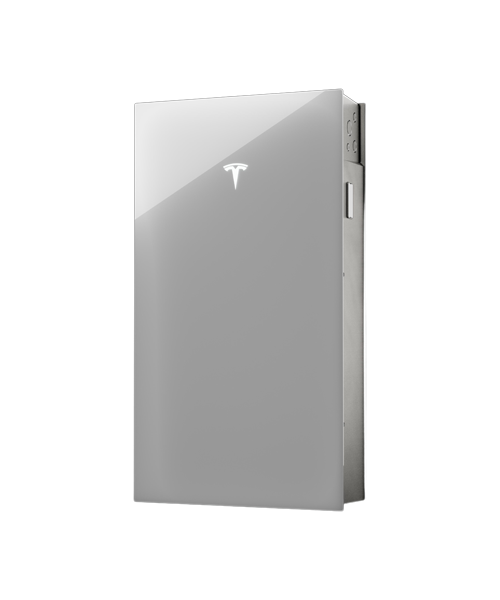
The Tesla Powerwall 3 is the strongest all-around choice if you want a whole-home battery that integrates directly with rooftop solar. With 13.5 kWh of usable LFP storage and an 11.5kW continuous output, it handles central air conditioning compressors, refrigerators, and medical devices simultaneously. Homeowners in Florida, Texas, and the Carolinas with an existing or planned solar installation benefit most from its integrated inverter design.
What are the Tesla Powerwall 3's features?
The Tesla Powerwall 3 packs a full solar inverter into the battery unit itself, eliminating the need for a separate inverter box.
- 13.5 kWh usable LFP capacity at 100% depth of discharge
- 11.5 kW continuous AC output with 185A peak surge
- 30 ms transfer under ideal conditions
- Integrated solar inverter (no separate hardware required)
- Stackable to three units (40.5 kWh total)
- LFP cell chemistry rated to 4,000-plus cycles
- Tesla Gateway 3 for islanding and power flow management
- Solar recharge during grid-down operation
What are the pros and cons of the Tesla Powerwall 3?
The Powerwall 3 is the strongest all-around LFP battery for solar-paired Florida and Carolinas homes, but its Tesla-certified installer requirement can limit rural Gulf Coast access.
Pros
- Fast transfer time protects most equipment
- The Tesla app provides real-time power flow monitoring and storm watch mode
- LFP cell chemistry outlasts nickel NMC alternatives
- Integrated solar inverter reduces total system cost and simplifies installation
Cons
- Requires a Tesla-certified installer (limits options in rural Gulf Coast markets)
- Per-unit cost is high without a solar installation to pair with it
Learn more in the full Tesla Powerwall guide.
2. EcoFlow DELTA Pro Ultra X
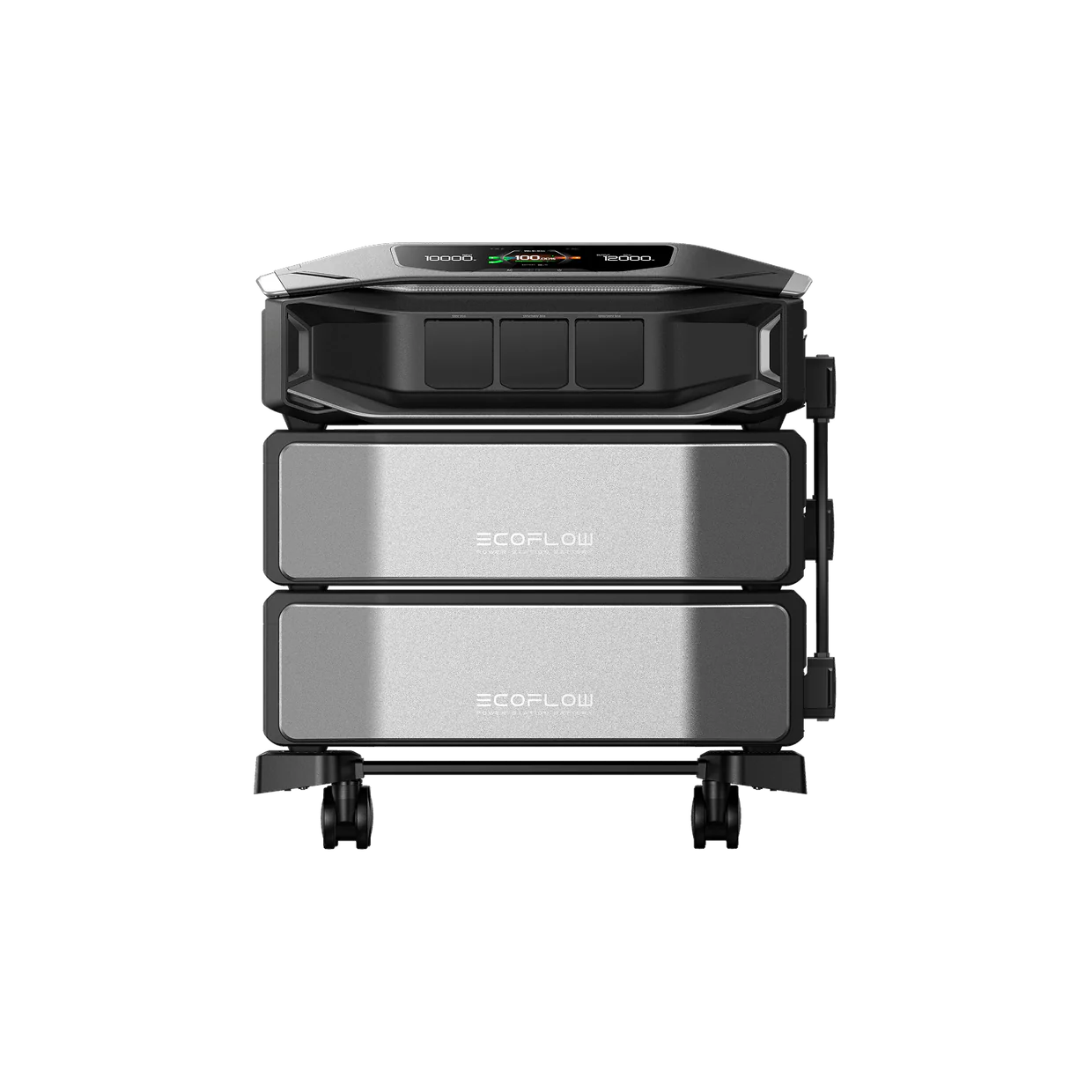
The EcoFlow DELTA Pro Ultra X suits large homes in hurricane zones that need 240V split-phase output and room to scale past 20 kWh. Starting at 12.3 kWh and expandable to 180 kWh, it is one of the most scalable systems on this list. Homeowners with central HVAC systems, electric ranges, and submersible well pumps who anticipate outages lasting longer than three days will benefit from its expansion ceiling.
What are the EcoFlow DELTA Pro Ultra X's features?
The EcoFlow DELTA Pro Ultra X pairs a high base capacity with the widest expansion range of any system in this category.
- 12.3 kWh base LFP capacity, expandable to 180 kWh
- 7,200 W to 21,600W AC output (configurable by stacking units)
- 120 V and 240 V split-phase support
- 20ms automatic switchover (or under 10 in standalone UPS mode)
- Up to 5,600 W solar input per unit
- EcoFlow Smart Home Panel 2 compatibility for whole-panel integration
- Indoor-safe, zero-emission operation
The 5.6kW solar input per unit is one of the highest recharge rates in the residential category, which is critical after a Category 2 or higher hurricane that keeps the grid dark for more than a week.
What are the pros and cons of the EcoFlow DELTA Pro Ultra X?
The DELTA Pro Ultra X scales far as an LFP system, but its whole home configuration can be more expensive than alternatives.
Pros
- 180 kWh expansion ceiling is considerable
- 240 V split-phase support covers central air conditioning units and submersible well pumps
- 5.6k W solar recharge per unit refills capacity daily during the post-storm recovery window
- Smart Home Panel 2 enables full-panel integration without a separate transfer switch
Cons
- A 20 ms transfer time can cause some sensitive electronics to restart briefly (when not using as a standalone UPS)
- A full, whole-home configuration carries a high upfront cost
See our EcoFlow battery overview for a deeper technical breakdown.
3. FranklinWH aPower 2
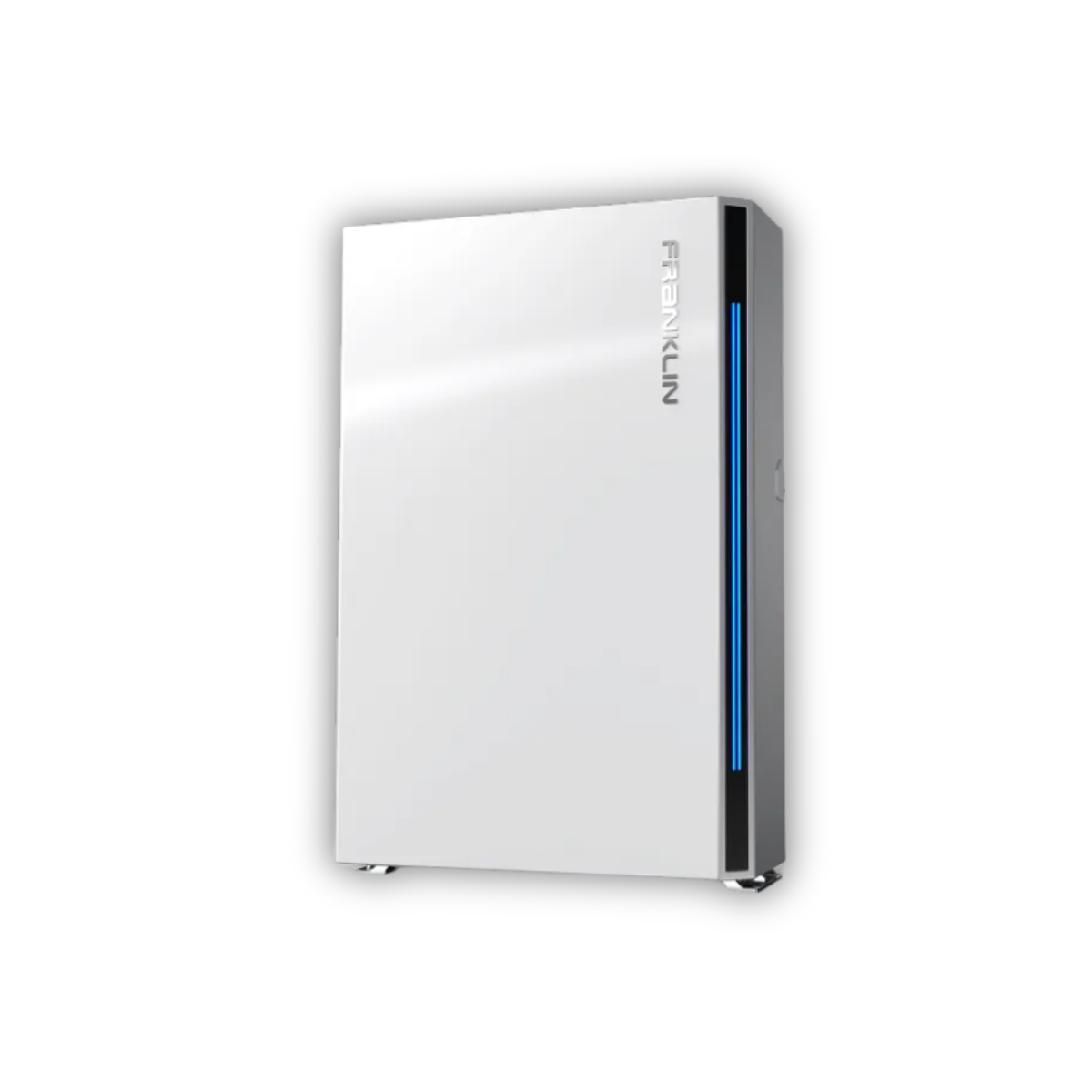
The FranklinWH aPower 2 suits homeowners in hurricane-prone states who already have a solar panel installation from a non-Tesla brand. Its open inverter architecture works with SolarEdge, Enphase, and SMA inverters without requiring a system replacement. At 13.6 kWh per unit with stacking up to 225 kWh, it fits everything from a modest two-bedroom coastal home to a large Gulf Coast property.
What are the FranklinWH aPower 2's features?
The FranklinWH aPower 2's defining attribute is compatibility with third-party solar inverters, which protects homeowners from brand lock-in during a battery upgrade.
- 13.6 kWh usable LFP capacity per unit
- Stackable to 225 kWh
- 10 kW peak AC output
- Open inverter compatibility (SolarEdge, Enphase, SMA, and other brands)
- LFP cell chemistry
- 10-year manufacturer warranty
- Time-of-use rate optimization capability
The 13.6 kWh single-unit capacity is one of the highest available in a residential LFP battery. That reduces the number of units needed to achieve multi-day coverage, which lowers total system cost.
What are the pros and cons of the FranklinWH aPower 2?
The aPower 2 is a top LFP battery for existing SolarEdge, Enphase, or SMA solar installations, but its dependence on a compatible inverter and limited installer network restricts standalone buyers.
Pros
- Works with most major solar inverter brands (no brand replacement required)
- 13.6 kWh per unit is among the highest single-unit capacities in the residential category
- Clean stackable design expandable to 225 kWh for large hurricane-risk properties
- Strong 10-year warranty
Cons
- Requires a compatible solar inverter (not a standalone battery system)
- Monitoring tools are less refined than the Tesla or EcoFlow platforms
- Certified installers are concentrated in major metro areas
Read the full FranklinWH battery overview for pairing and installation details.
4. Generac PWRcell 2
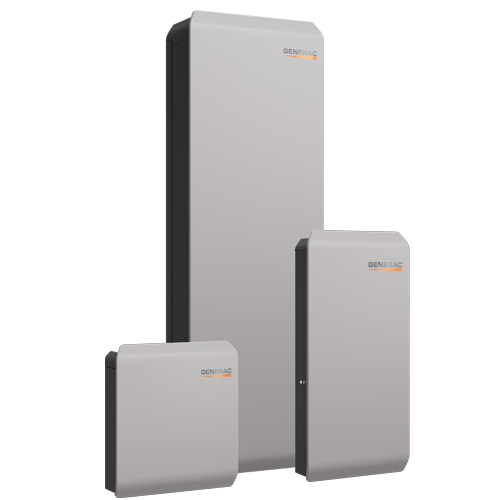
The Generac PWRcell 2 is designed for homeowners in rural Florida, Louisiana, and Texas, where week-long outages strain local fuel supply. Its integrated controller coordinates LFP battery discharge with standby generator runtime, cutting total fuel consumption. The modular 9 kWh to 18 kWh capacity range (per cabinet, up to 72 kWh with four cabinets and two inverters) makes it practical for both small and mid-size hurricane-risk properties.
What are the Generac PWRcell 2's features?
The Generac PWRcell 2's standout specification is native generator-battery coordination through the Synergy Controller, a feature no other system on this list offers.
- 9 kWh to 18 kWh modular LFP capacity (3 to 6 battery modules) per cabinet
- 9 kW continuous AC output
- 240 V whole-home backup
- Smart Disconnect Switch and inverter coordinate the standby generator and battery operation
- PWRview energy monitoring dashboard
- Native compatibility with Generac standby generators
- Built-in automatic transfer switch
What are the pros and cons of the Generac PWRcell 2?
The PWRcell 2 reduces propane and natural gas consumption for rural Gulf Coast homeowners running a Generac standby generator but its 72 kWh ceiling is lower than some competitors.
Pros
- Native generator integration cuts fuel consumption during multi-day hurricane outages
- Modular capacity lets homeowners start at 9 kWh and expand in 3 kWh increments
- Strong dealer and installer network across the Gulf Coast and Southeast
Cons
- 72 kWh maximum is lower than the Tesla, FranklinWH, and EcoFlow systems
- Best value when paired with a Generac standby generator (adds significant installation cost)
- PWRview monitoring is less polished than competing mobile apps
See the Generac PWRcell overview for pairing details with Generac standby generators.
5. Anker SOLIX F3800 Plus
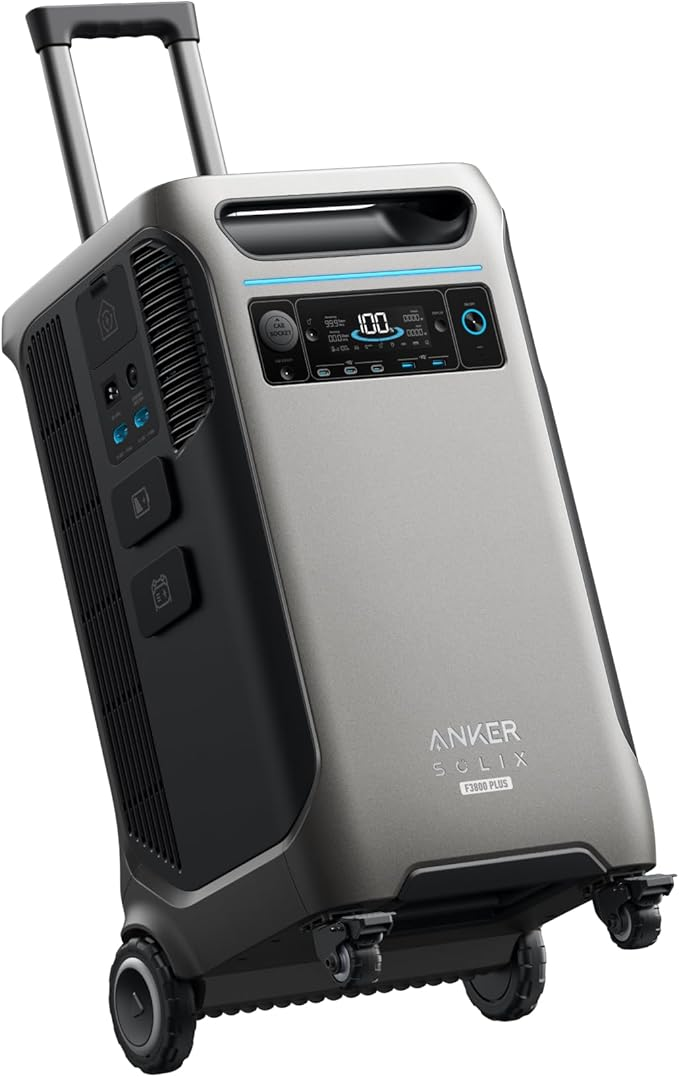
The Anker SOLIX F3800 Plus suits renters, seasonal homeowners, or coastal residents who may evacuate before a hurricane and need a battery system that moves with them. It requires no electrician for most base configurations and expands to 53.8 kWh with additional battery packs.
What are the Anker SOLIX F3800 Plus's features?
The Anker SOLIX F3800 Plus's defining advantage is portability combined with a capacity ceiling that rivals installed whole-home systems.
- 3,840 Wh base LFP capacity, expandable to 53.8 kWh
- 6,000 W AC output
- 120 V and 240 V output
- Plug and play setup (no electrician required for base configuration)
- LFP cell chemistry rated to 3,000-plus cycles
- EV charging and RV outlet compatibility
- Solar input compatible
- Mobile app monitoring
The 53.8 kWh expansion ceiling means a fully configured SOLIX F3800 Plus system approaches the capacity of installed whole-home batteries while remaining transportable. That combination is uncommon in the portable battery category.
With 6,000W output and 240V support, it powers refrigerators, window air conditioners, and essential circuits without permanent panel integration.
What are the pros and cons of the Anker SOLIX F3800 Plus?
The SOLIX F3800 Plus is one of the few portable whole-home LFP systems, but its base 3.84 kWh unit requires expansion packs and an external transfer switch for multi-day hurricane coverage.
Pros
- Portable between rental properties or seasonal residences
- 53.8 kWh expansion ceiling is competitive with installed whole-home systems
- Lower entry cost than installed battery systems
- No electrician required for base configurations
Cons
- Base 3.84 kWh unit needs expansion battery packs for multi-day hurricane coverage
- Whole-home coverage without panel integration requires an external transfer switch
- The monitoring ecosystem is less mature than the Tesla or EcoFlow platforms
What to look for in a home battery for hurricane season
A few specifications determine whether a home battery holds up during a hurricane outage: storage capacity in kWh, output voltage, and solar recharging ability.
How many kWh do you need for a multi-day hurricane outage?
A household running a refrigerator (150W), a 1.5-ton mini-split air conditioner (1,500W), lighting (200W), a router (20W), and device chargers uses roughly 2 to 4 kWh per hour at moderate operation. Over 24 hours, that totals 20 to 40 kWh.
A single 13.5 kWh Tesla Powerwall 3 covers roughly one full day of essential loads. Two stacked units (27 kWh) extend that to two-plus days before solar recharge is needed. For western North Carolina-style outages that stretched past 14 days after Hurricane Helene, a system of at least 27 kWh with solar input is the practical minimum.
Does the battery support 240V split-phase output?
A battery without 240 V support forces homeowners to leave some appliances off during outages, regardless of how much capacity remains in the battery. Things that run on 240 V include:
- Central air conditioning compressors
- Submersible well pumps
- Electric ranges
All five systems on our list of best hurricane backup support 240 V. The Tesla Powerwall 3, EcoFlow DELTA Pro Ultra X, FranklinWH aPower, and Generac PWRcell 2 deliver it through panel integration. The Anker SOLIX F3800 Plus provides 240 V output directly through its outlets without panel integration.
Can the battery recharge from solar panels when the grid is down?
Solar recharging converts a finite battery into a renewable power source during week-long hurricane outages.
- A 5kW rooftop solar array in Florida produces 20 to 25 kWh on a clear day after a storm passes.
- Paired with a 13.5 kWh battery, that level of solar input refills the unit from empty in less than a day.
- Without solar input, even a 27 kWh battery depletes within two days of moderate usage and stays depleted.
Battery backup without solar is a viable option for short outages, but for hurricane-prone states, solar pairing is the more reliable long-term strategy.
How long do home batteries last during a hurricane power outage?
Outage duration in hurricane-prone states is measured in days, and battery sizing should reflect that reality.
PowerOutage.us tracked Hurricane Helene in September 2024 at a peak of 4.79 million customers without power. In western North Carolina mountain counties, grid restoration took more than 14 days. A 13.5 kWh battery without solar covers roughly one day of essential loads before depleting.
Similarly, Hurricane Milton (October 9, 2024) cut power to 3.4 million Florida customers at the storm’s peak. Restoration came in waves, with brief power windows of 30 minutes to two hours followed by blackouts. A battery that recharges quickly during those windows captures utility power before the next outage cycle and extends runtime.
With a 5kW rooftop solar array adding 20 to 25 kWh daily once the sun comes back after the storm, a 13.5 kWh battery can extend power almost indefinitely. As long as you manage electrical loads.
Are home batteries worth the cost in hurricane-prone states?
Home battery systems are definitely worth their installed cost if your state has regular weeklong outages from Category 2 or higher hurricanes.
Florida, Louisiana, and coastal Texas account for a disproportionate share of major grid failure events in the United States. Hurricane Ian (September 2022), for example, left more than 100,000 Florida customers without power five days after its Category 4 landfall near Fort Myers, according to our data.
- Without a battery: A household depends on utility restoration crews who are stretched thin across thousands of damaged transmission lines.
- With a battery and solar array: The household runs independently until the grid returns.
Installed cost for a whole-home LFP battery system ranges from roughly $10,000 to $20,000, depending on capacity and local labor markets. Our hurricane power outage guide also covers preparation steps that complement a battery installation for homeowners in high-risk coastal counties.
Quick recap
The Tesla Powerwall 3 leads for whole-home performance in hurricane-prone areas. Beyond that:
- The EcoFlow DELTA Pro Ultra X fits large homes needing maximum capacity.
- The FranklinWH aPower pairs with existing solar installations.
- The Generac PWRcell 2 suits generator-paired rural setups.
- The Anker SOLIX F3800 Plus is the top portable option.