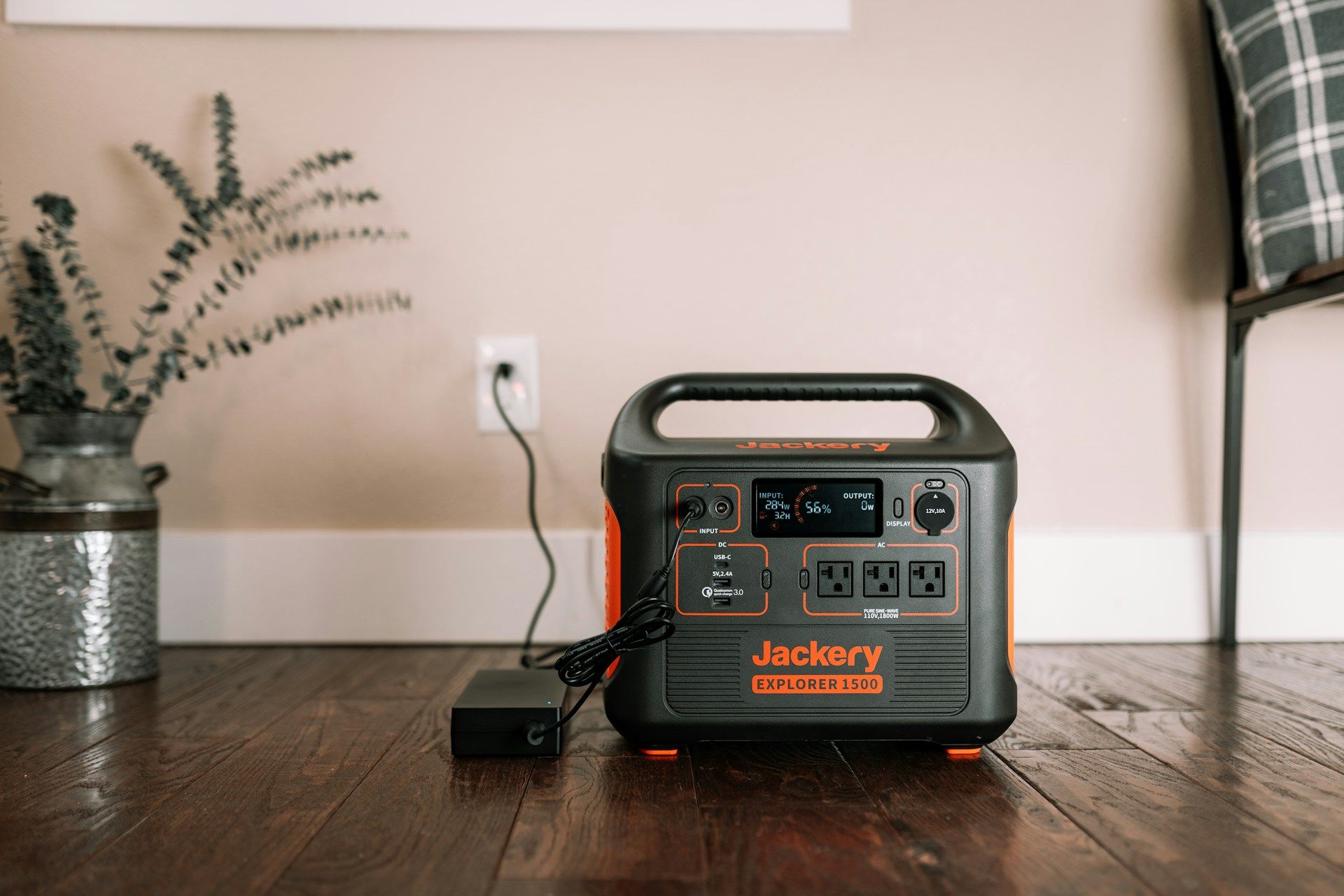

A home battery backup system stores electricity and delivers power when the grid fails or rates spike. When you have the right one, you can reduce reliance on utility power during outages and potentially save money on your electricity bill. The best home battery backup balances usable capacity, continuous power output, and system integration so your critical loads stay online without complex design work.
PowerOutage.us monitors 950 utilities, covers 200 million customers, and has tracked every major outage event since 2016. Our outage data refreshes every 10 minutes, reveals how long local outages last, and helps readers pick a battery backup sized for real events.
5 Best home battery backups for different situations
Our picks for the best home battery backup systems are the Tesla Powerwall, EcoFlow DELTA Pro Ultra, FranklinWH aPower 2, Generac PWRCell 2, and EG4 Wallmount Battery.
1. Tesla Powerwall 3
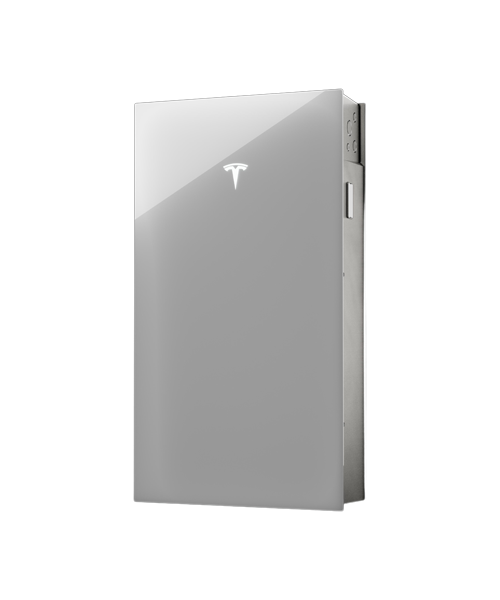
Cost range: $13,000 to $16,500 Pros: High continuous power, integrated hybrid inverter, clean app experience Cons: Limited compatibility with non-Tesla inverters, installer availability varies Who it’s best for: Homes that want turnkey backup with or without solar
Tesla Powerwall 3 combines a lithium-ion battery, hybrid inverter, and transfer functionality in one enclosure. Each unit delivers 13.5 kWh of usable Powerwall battery capacity and 11.5 kW of power, which supports whole-home loads with fewer batteries. The system scales to seven units for 94.5 kWh of power for larger homes. Strengths include simple permitting, fast installs, and strong software. Weaknesses include having fewer third-party configuration options and being locked into one battery brand ecosystem.
2. EcoFlow DELTA Pro Ultra
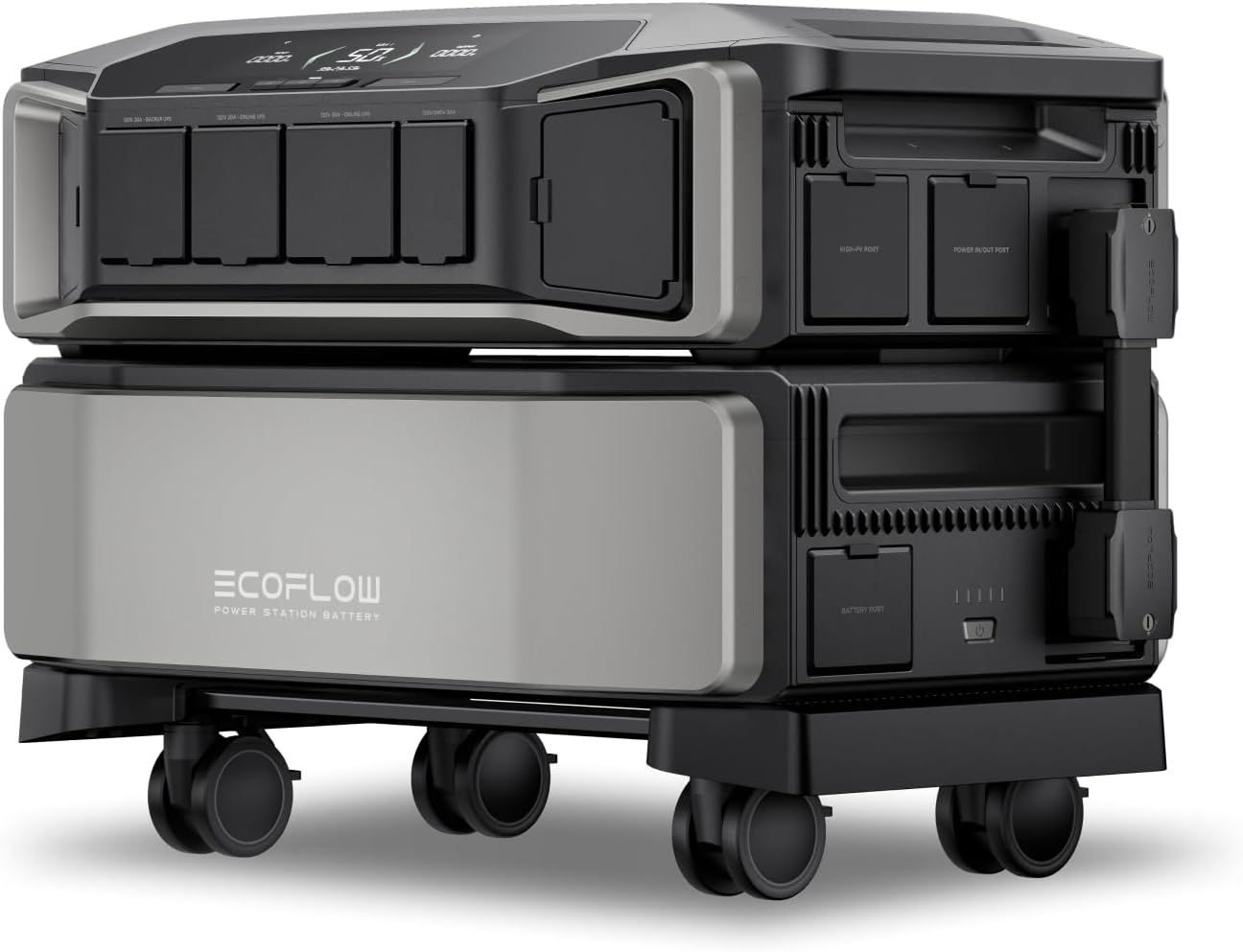
Cost range: $8,000–$12,000 per base unit (installed cost varies by configuration) Pros: Extremely high power output option, flexible modular design Cons: More complex system planning, less turnkey than integrated ESS platforms Who it’s best for: Homes with appliances running on large motors, workshops, or short high-load demands
EcoFlow DELTA Pro Ultra uses modular lithium iron phosphate (LFP) batteries paired with a scalable inverter stack. Each module provides 6 kWh, and the system can reach very high power output when configured correctly. Scalability is excellent, but integration requires careful planning around transfer switching and load management. Strengths include surge handling and flexibility. Weaknesses include higher design complexity and variable installer familiarity.
3. FranklinWH aPower 2
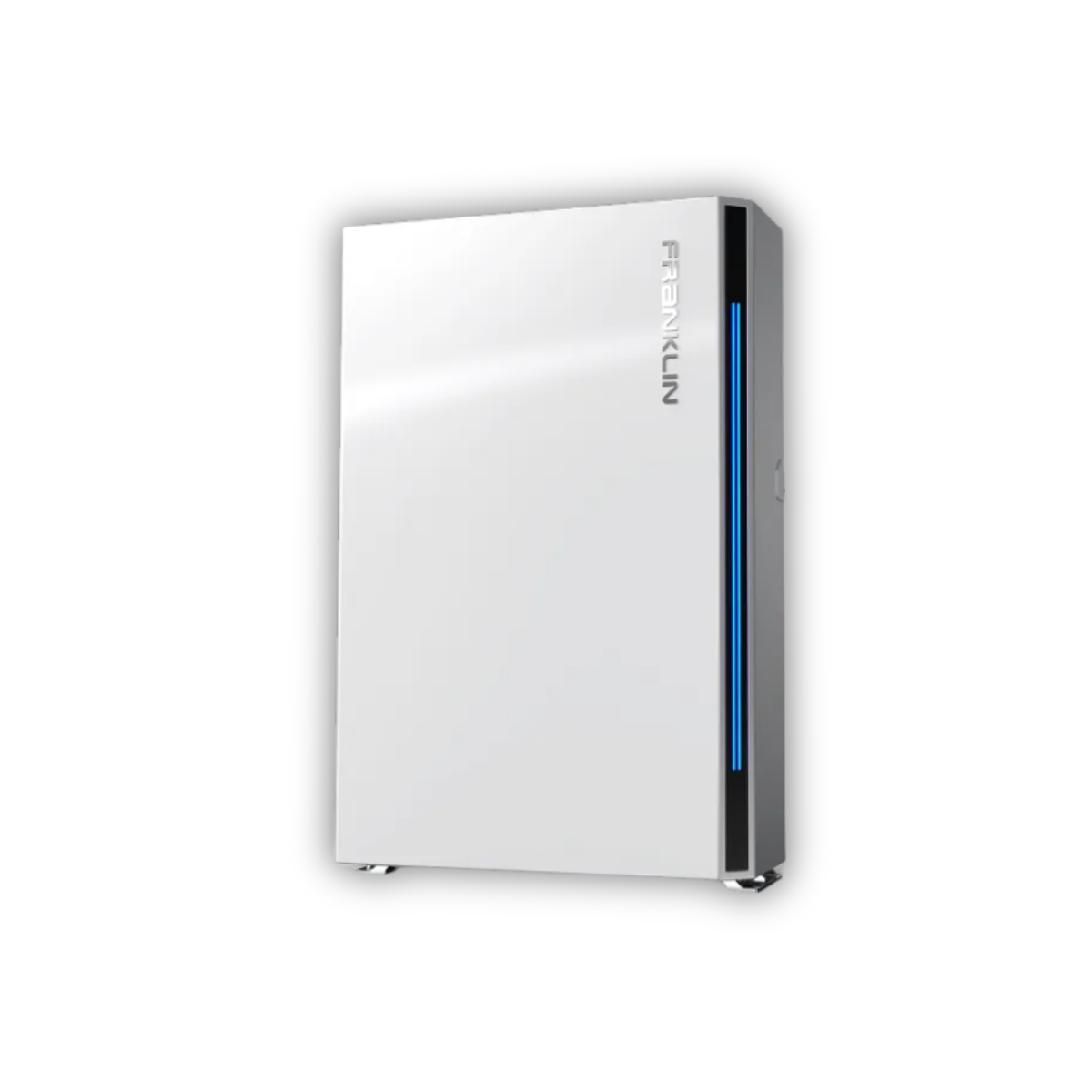
Cost range: $15,000–$20,000 per unit installed Pros: High usable capacity, strong surge capability, excellent scalability Cons: Higher upfront cost, limited installer network in some regions Who it’s best for: Large homes or properties needing long backup duration
FranklinWH aPower 2 delivers 15 kWh per battery with strong continuous and surge power for HVAC and well pumps. The system scales to very high total capacity (225 kWh), making it a great option for extended outages or large houses. Integrated inverter and transfer functions combine power conversion and grid isolation in one unit, reducing extra equipment, wiring, design work, and installation time compared to multi-component battery systems. Strengths include power density and warranty terms. Weaknesses are primarily cost and regional availability.
4. Generac PWRCell 2
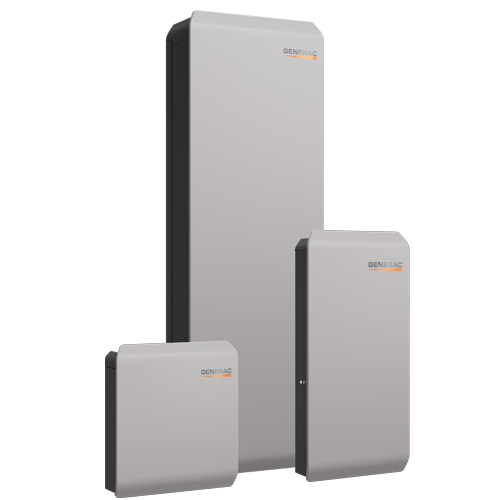
Cost range: $14,000–$20,000 installed Pros: Modular cabinet design, strong solar integration Cons: Lower per-module power, inverter dependency Who it’s best for: Solar-first homes prioritizing controlled backup circuits
Generac PWRCell 2 uses modular battery blocks inside a cabinet paired with a compatible inverter. The design allows incremental expansion up to 72 kWh. The cabinet-based architecture simplifies future expansion and service access, but achieving true whole-home backup often requires careful load planning and additional modules to meet higher power demands. Strengths include clean solar integration and smart load management. Weaknesses include lower power per module, which may require more batteries to support whole-home loads.
5. EG4 Wallmount Battery
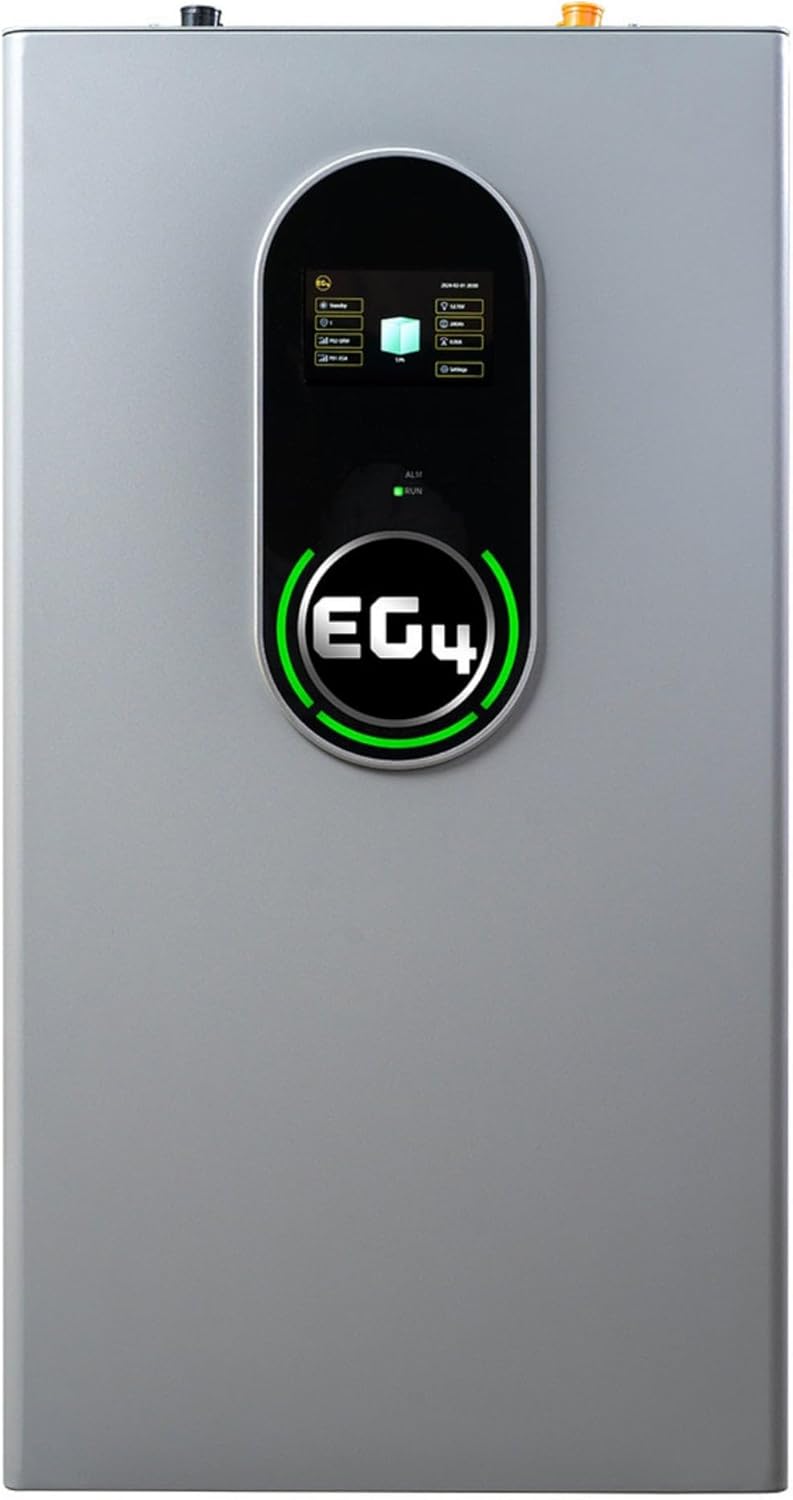
Cost range: $6,000–$9,000 per unit installed Pros: Competitive pricing, solid capacity per unit Cons: Requires external inverter and system design Who it’s best for: Budget-conscious homeowners with experienced installers
EG4 Wallmount Battery units provide high usable capacity at a lower cost point. Scalability is strong when paired with compatible inverters, but integration is not turnkey. The platform appeals to experienced installers because open inverter compatibility enables flexible system design, but performance and reliability depend heavily on proper sizing, configuration, and commissioning quality. Strengths include price and flexibility. Weaknesses include higher balance-of-system complexity and reliance on installer expertise.
How we chose the best battery systems
To choose reliable backup batteries, we prioritized backup performance over raw capacity by looking at usable kWh, continuous power (kW), and surge handling. Turnkey integration ranked highly, favoring systems that bundle battery, inverter, transfer switching, and software. Power density and scalability separated fast-install ESS platforms from highly modular systems for large homes.
Warranty strength mattered, including duration, retention guarantees, and throughput limits. Customer sentiment served as a maturity signal, not a primary metric. All recommendations apply to a North American residential experience, including permitting, installer availability, and serviceability.
How to choose a home battery backup system
A home battery backup should match your power output needs, not just energy storage. To find the right system for you, identify critical loads, confirm surge requirements, and choose a system that delivers those loads with fewer batteries. Integrated systems reduce installation risk, while modular systems offer flexibility for future expansion.
How to find a good home battery backup installer
A qualified installer understands NEC requirements, utility interconnection agreements, and battery management system configuration. Look for installers with direct experience on your chosen platform and a clear commissioning workflow.
What’s the best home battery backup with solar?
Tesla Powerwall 3 and FranklinWH aPower 2 lead for integrated solar backup because they combine inverter, battery, and transfer control in one system.
What’s the best home battery backup without solar?
EcoFlow DELTA Pro Ultra and EG4 Wallmount Battery work well for grid-only backup when paired with proper transfer switching and load management. That said, Tesla Powerwall 3 is a popular choice for battery-only setups as well.
Bottom line on best battery backups
The best home battery backup delivers reliable power, integrates cleanly, and scales with your home’s needs. The Tesla Powerwall 3 is our top pick, followed by EcoFlow DELTA Pro Ultra, FranklinWH aPower 2, Generac PWRCell 2, and EG4 Wallmount Battery. Overall, systems that balance power density, integration, and warranty strength provide the highest long-term value.