


An ice storm power outage happens when freezing rain coats power lines, tree limbs, transformers, and utility poles with enough ice to cause widespread utility damage.
- Ice accumulation as thin as 0.25 inches can snap tree limbs and pull down power lines.
- Restoration often takes 3 to 14 days because utility crews must repair broken poles, restring lines, and work around dangerous weather conditions.
- Portable generators, home battery backups, and a 72-hour emergency supply kit are the most practical tools to stay safe during a freezing rain power outage.
When the North American winter storm of January 2026 struck (aka storm Fern), our platform monitored a peak of 1,005,641 customers without power, with Tennessee alone recording 306,700 customers in a blackout. PowerOutage.us tracks outages across 950+ utilities serving more than 200 million customers. This is about 94 to 95% of US electricity consumers (based on direct utility data integrations).
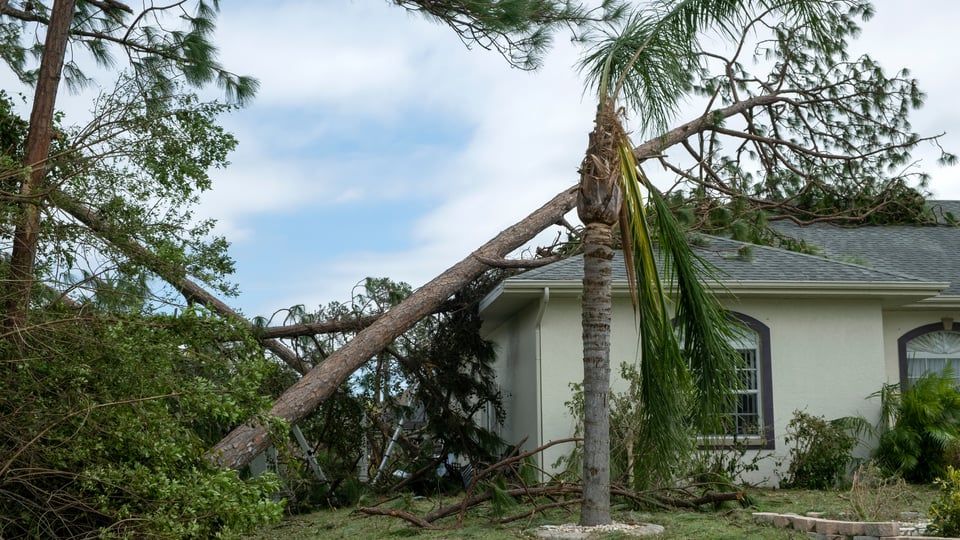
Utility crew reports at the time described multiple trees falling onto power lines as ice accumulated. Some residents in the hardest-hit areas remained without power for more than 6 days, showing how an ice storm power outage can last far longer than a typical storm-related outage. Let’s cover how to stay safe and informed in an ice storm power outage.
How to prepare for an ice storm power outage
Prepare for an ice storm power outage before winter weather arrives. This helps you reduce the risk of cold exposure, food loss, frozen pipes, and medical complications during a prolonged outage. The overall goal is to keep your household safe and functional for at least 72 hours without grid power, and preferably for up to 7 days.
Emergency supplies checklist
Create and store a power outage emergency kit before a forecast ice storm power outage threatens your area:
- Water: 1 gallon per person per day for a minimum of 72 hours (7-day supply recommended for households with medical needs).
- Food: Non-perishable items requiring no refrigeration or cooking, like canned goods, dried fruit, nuts, and protein bars, sufficient for 72 hours per person.
- Lighting: Battery-powered or hand-crank flashlights. LED lanterns rated for 20 or more hours of runtime. Keep one lantern per occupied room for use during a winter power outage.
- Weather radio: A NOAA weather radio with battery backup monitors emergency broadcasts, ice storm warnings, and outage updates when cell networks are congested.
- Batteries: Extra AA and D batteries for flashlights, radios, and portable fans. Lithium batteries hold capacity in cold temperatures better than alkaline alternatives.
- Blankets and sleeping bags: Rated to at least 20°F for households relying on passive warmth during an extended ice storm outage. Layer clothing and blankets to slow indoor temperature loss.
- First aid kit: Stocked with prescription medications covering a 7-day supply, wound care materials, and any equipment-specific accessories (e.g., insulin cooling pouches). Make a medical device power outage checklist to follow to keep essential devices running.
- Cash: ATMs and card readers may fail during a widespread ice storm power outage; keep small bills on hand for purchases at open businesses.
Prepare your home heating system
Home heating systems need attention before the winter storm season, so you know which components still work and what backup heat source you can safely use if the primary system stops.
- HVAC inspection: Schedule a professional service appointment before the heating season to confirm that the furnace ignition, heat exchanger, and blower components are working properly. Most gas furnaces still need electricity to run the control board, blower, and ignition, so confirm whether your system has battery backup or generator compatibility.
- Fireplace or wood stove: Have the chimney inspected and cleaned annually. Maintain a 72-hour supply of seasoned firewood stored in a covered, accessible location. Confirm that the damper opens and closes properly before depending on the fireplace during a freezing rain power outage.
- Insulation and draft sealing: Seal gaps around doors and windows with weatherstripping and door sweeps. Keep interior doors closed to concentrate heat in occupied rooms. Place rolled towels at the base of exterior doors during an outage to block cold air infiltration.
- Pipe protection: Identify and insulate pipes in unheated spaces like crawl spaces, garages, and exterior walls. If indoor temperatures drop below 40°F during an outage, open cabinet doors under sinks to allow warmer interior air to circulate around pipes.
Backup power options during an ice storm
Backup power systems reduce the impact of an ice storm power outage by keeping your critical loads running, including lights, heating controls, communication devices, medical equipment, and refrigeration. The right choice depends on how long you expect the outage to last and how much power your household actually needs.
Backup generators
Portable and permanent backup generators provide high output, which makes them useful during a long ice storm outage when you need to run heating equipment, refrigerators, lights, or medical devices. Keep these in mind:
- Wattage ranges: Consumer portable generators range from 2,000 watts (enough for lights, device charging, and a small refrigerator) to 12,000+ watts (enough to run a central heating system, multiple refrigerators, and a sump pump at the same time).
- Fuel: Store gasoline in approved containers with a fuel stabilizer to keep it usable for up to 12 months. Propane generators draw from an existing tank and avoid fuel degradation. Dual-fuel generators provide flexibility when one fuel type is unavailable.
- Safe placement: Operate portable generators only outdoors, at least 20 feet from any door, window, or vent. Carbon monoxide poisoning from generators operated in garages, enclosed porches, or indoors causes many generator-related deaths during storm events. Install battery-operated carbon monoxide detectors on every occupied floor.
- Transfer switch: Connect a generator to home circuits using a transfer switch installed by a licensed electrician. Backfeeding through a dryer outlet or similar improvised connection creates a serious electrocution risk for utility workers repairing the ice storm power outage.
Home battery backup
Home battery backup systems, from portable power stations (0.5 to 3 kWh) to integrated home batteries (10 to 30 kWh), provide quiet indoor power during an ice storm power outage without fuel combustion.
Portable options work well for apartments, townhomes, and urban properties where generator use is limited or impractical. Permanent battery backups provide more power for startup surges and longer operation. Here are some things to consider:
- Silent operation: Battery systems produce no exhaust and little to no noise, allowing safe indoor use during all phases of a freezing rain power outage.
- Solar integration: Portable power stations with solar input ports can recharge from solar panels during daylight hours, extending runtime beyond the battery's rated capacity. Whole-home backups can be powered by solar panels as long as they have an off-grid mode.
- Limited duration: A 1,000 Wh battery powers a full-size refrigerator for about 12 to 16 hours, a portable space heater (600 watts) for roughly 90 minutes, and LED lighting plus device charging for 2 to 3 days. Match battery size to the loads that matter most during an ice storm power outage.
- Whole-home batteries: Systems like the Tesla Powerwall (13.5 kWh) or Enphase IQ Battery (10.08 kWh) connect to the home's electrical panel and can run essential circuits for up to a few days depending on consumption.
Should you buy a portable power station?
A power station can be a practical purchase for an ice storm power outage. You can also find kits that include a backup battery plus cables, solar panels, and chargers. The trade-off is that pre-assembled systems usually cost more per watt-hour than buying comparable components one by one.
A few reliable power station brands include:
- Jackery: Known for the Explorer series of portable power stations (240 Wh to 3,000 Wh). The Jackery Explorer 1000 Pro pairs effectively with Jackery SolarSaga panels for extended ice storm power outage scenarios. Units are compact and easy to move.
- EcoFlow: Offers the DELTA series (1,260 Wh to 3,600 Wh expandable) and RIVER series for lighter loads. EcoFlow's X-Stream charging technology allows some units to charge from 0 to 80% in under an hour from a standard outlet, which helps when preparing for freezing rain.
- Goal Zero: The Yeti series (200 Wh to 6,000 Wh) is built around solar compatibility and modular expansion. Goal Zero products are widely available at major retailers and carry a strong warranty record.
For many households, a power station in the 1,000 to 2,000 Wh range can cover the most important loads (refrigerator, phone charging, lighting, and CPAP) for 24 to 48 hours. That makes it a reasonable starting point for ice storm outage preparation, with the option to add more battery capacity later.
What to do during an ice storm power outage
Act early during an ice storm to preserve heat, food, battery life, and situational awareness, and stay safe in a winter blackout.
- Monitor weather and restoration updates: Check PowerOutage.us for real-time outage counts and restoration progress in your utility territory. Data refreshes every 10 minutes during active storm events. Register for outage alerts by text or email so you can track changes in your local ice storm power outage.
- Conserve battery power: Reduce smartphone screen brightness, enable low-power mode, and limit streaming or video playback. Prioritize charging communication devices and medical equipment over non-essential electronics. A fully charged 10,000 mAh power bank provides about 2 to 3 full phone charges.
- Avoid downed power lines: Treat every downed line as energized until a utility crew says otherwise. Ice storm outages often leave conductors hidden under branches, snow, or ice. Stay at least 30 feet away from any downed line and report it to your utility immediately.
- Unplug sensitive electronics: Power surges can occur when service returns after a freezing rain or ice storm blackout. Unplug computers, televisions, and appliances with electronic controls before restoration to reduce surge damage. Leave one lamp plugged in to show when power is back.
- Manage indoor temperature: A well-insulated home can lose about 1°F of interior temperature per hour when outdoor temperatures stay near 20°F. Gather household members in one or two rooms, use south-facing windows during daylight, and close doors to unused spaces to slow heat loss during the outage.
- Protect food supplies: A full freezer keeps food at a safe temperature for about 48 hours without power; a half-full freezer does so for about 24 hours. A refrigerator keeps food safe for about 4 hours. Always use a thermometer to check for safe temperatures. Keep refrigerator and freezer doors closed as much as possible during the ice storm power outage to preserve cold air.
What to do after power is restored
When an outage ends, take a little time to check appliances, food, plumbing, and electrical systems for safety.
- Food safety: Throw away any refrigerated perishables that reached 40°F or above for 2 or more hours. This includes meat, poultry, seafood, eggs, and dairy. Frozen food that still contains ice crystals throughout is usually safe to refreeze.
- Electrical inspection: Inspect electrical panels, outlets, and appliances for signs of water damage, pest intrusion, or physical damage that occurred during the outage. If the home experienced flooding or significant moisture, call a licensed electrician before using affected circuits.
- Appliance reconnection: Restore appliances gradually. Plug in refrigerators and freezers first, wait 15 to 30 minutes, then reconnect other devices. This reduces sudden electrical demand and helps protect sensitive electronics.
- Restock emergency supplies: Replace used water, food, batteries, fuel, and medications as soon as possible after the outage ends. Ice storms can occur more than once in the same season, and a second ice storm power outage may follow before you fully recover.
- HVAC and plumbing inspection: Check pipes in unheated areas for bulging, cracks, or leaks that may signal freeze damage. Restart heating systems and watch for unusual sounds or poor performance. If you suspect freeze damage to a furnace or related equipment, schedule service before continued use.
What causes an ice storm power outage?
Freezing rain (not snow) causes the most damaging and longest-lasting ice storm outage events because it coats every exposed surface with a dense, adhesive layer of ice that builds faster than utilities can respond.
How freezing rain forms
Freezing rain forms when precipitation falls through a warm layer of air above the surface and then passes into a shallow band of sub-freezing air (below 32°F) near the ground. The droplets stay liquid until they hit a cold surface — power lines, tree branches, utility poles, roads, and transformers — where they freeze on contact.
How much ice accumulation is dangerous?
NOAA and the National Weather Service classify ice accumulation in quarter-inch increments:
- 0.25 inches of ice: Small tree limbs may snap, and small-diameter power lines begin to sag under added weight, increasing the chance of a localized ice storm power outage.
- 0.5 inches of ice: Mid-size trees and large branches break, falling directly onto distribution lines in significant numbers and causing wider freezing rain power outages.
- 0.75–1 inch of ice: Utility poles experience structural stress. Transmission towers in heavily affected corridors can fail.
- Above 1 inch: Cascading failures across transmission and distribution networks can trigger region-wide blackouts lasting several days or longer.
Engineering models calculate ice load using radial ice thickness, conductor diameter, and ice density, typically assuming densities between 0.6–0.9 g/cm³ depending on glaze or rime formation.
Ice accumulation of 0.75–1 inch significantly increases the risk of transmission infrastructure failure, but tower collapse depends on several engineering factors, including conductor span length, wind load, ice density, and the design loading district defined in the National Electrical Safety Code (NESC). Severe failures typically occur when heavy ice combines with wind, producing loads that exceed structural design limits.
When freezing rain may not cause outages
Freezing rain doesn’t always produce power outages. Impacts are often limited when:
- Power lines are underground rather than overhead
- Utilities maintain wide vegetation clearance zones
- Infrastructure is built to higher ice-loading standards in northern NESC districts
- Ice accumulations remain below 0.25 inches
Freezing rain is a primary driver of long winter power outages because it creates heavy ice loads on trees and power lines. However, outage duration is determined by multiple factors, including vegetation near distribution lines, grid design (overhead vs. underground systems), road accessibility for crews, and the availability of mutual aid from other utilities.
How can ice cause outages that last for days?
Ice accumulation damages power systems in four ways:
- Lines sag: A single inch of ice radial accumulation can add 25 to 30 pounds of weight per linear foot to a conductor. Lines designed to handle wind load and their own weight sag toward the ground, increasing the risk of fault contact and service interruption.
- Conductors break: Steel-reinforced aluminum conductors can snap under combined ice weight and mechanical tension, particularly at poles and anchor points where stress concentrates.
- Poles collapse: Wooden utility poles fail when ice-coated lines exert lateral pull — especially when a pole already supports a broken span on one side, creating unbalanced tension.
- Transmission towers fail: In severe ice storms, lattice steel transmission towers carrying high-voltage lines can collapse under accumulated ice load, cutting power to substations and large customer areas.
The 1998 Quebec Ice Storm remains the benchmark for ice storm infrastructure destruction. Over five days, up to 4 inches of freezing rain accumulated across southern Quebec and eastern Ontario, collapsing more than 1,000 transmission towers and 35,000 wooden utility poles.
Around 3 million people lost power, and some rural areas in Quebec remained without electricity for more than 30 days. That disaster showed how a major ice storm outage can continue long after the weather clears when transmission infrastructure fails at scale.
Restoration takes a long time
Restoration difficulty adds to the structural damage. Crews need bucket trucks and heavy equipment that cannot safely travel on iced-over roads or park beneath unstable trees and downed wires. They often must wait for roads to improve, clear access routes, and isolate damaged lines before repairs begin.
Each pole replacement can require a crew of four to six workers, specialized equipment, and several hours per structure, which is why a widespread freezing rain power outage cannot be restored all at once.
How long do ice storm outages last?
Ice storm power outage duration depends on the scale of damage, the number of available crews, mutual aid support, and road access. In a severe event, most residential customers should expect a multi-day winter outage, with many waiting 3 to 10 days for restoration and the hardest-hit rural areas waiting longer.
You can use data from PowerOutage.us major events to see how long an ice storm power outage can last:
- Winter Storm Fern (January 2026): Peak of 1,005,641 customers without power; the hardest-hit areas in Tennessee, Mississippi, and Louisiana experienced outages lasting 6 or more days.
- Winter Storm Elliott (December 2022): 6.3 million total US households lost power at some point; restoration in heavily impacted northeastern states took 4 to 8 days.
- Winter Storm Uri (February 2021): 4.4 million Texas customers at peak; multi-day rolling blackouts continued for up to a week, with cascading failures in water and heating infrastructure.
How fast can crews get power back?
Three things influence how quickly a utility restores power after an ice storm outage:
- Damage scale: A localized outage affecting 5,000 customers may be restored within 24 hours. A regional outage affecting 500,000 customers across multiple counties usually requires days of staged repair work and crew deployment.
- Crew safety constraints: Utility crews cannot safely operate aerial equipment on iced roads or near energized downed lines. Restoration pauses until road conditions and line conditions permit safe work.
- Mutual aid availability: Major freezing rain events often hit multiple utilities at the same time. A utility requesting outside help may wait 24 to 48 hours before extra crews arrive, which extends restoration timelines for the last 10–20% of customers.
Customers in rural areas and at the ends of distribution feeders are often restored last because utilities prioritize circuits serving the largest number of customers first. Prepare for at least 72 hours without electricity after any significant ice storm outage, and extend that planning window to 7 days if your home depends on overhead lines surrounded by mature trees.
Ice storm power outage recap
To sum up, ice storms produce some of the longest and most disruptive power outages in the country. Freezing rain accumulation above 0.25 inches can collapse entire distribution circuits, and restoration routinely takes 3 to 14 days. Preparing backup power, emergency supplies, and home heating alternatives before a storm is the most reliable way to maintain safety. Use PowerOutage.us to monitor outages in your area during a storm.