




When you’re dealing with a flood causing a power outage, you have to navigate a complex survival scenario where water and electricity create immediate safety risks.
- Reduce flood outage risk before water rises: elevate vulnerable electrical components, prepare water removal, and stage an evacuation plan.
- Run backup power safely: place generators outdoors at least 25 feet from doors, windows, and garages, and plan for carbon monoxide prevention.
- Protect food, water, and medical needs: follow the 4-hour refrigerator rule, 48-hour full freezer rule, and 40°F food safety threshold.
During Hurricane Helene (Sept. 27–28, 2024), PowerOutage.us tracked a peak of 4.79 million customers without power across the Southeast, with parts of western North Carolina seeing 14+ days in the hardest-hit areas. Those outages showed how flooding, landslides, and damaged access routes can stretch restoration timelines far beyond a typical storm window.
PowerOutage.us tracks outages across 950+ utilities serving 200+ million customers and has monitored every major outage event since 2016. We also tracked Hurricane Milton (Oct. 9, 2024) at 3.4 million Florida customers and the rapid “cycling power” pattern where brief uptime windows changed how people charged devices and managed refrigeration. Here are some tips for staying safe during a flood outage.
Why flooding causes power outages
Flooding causes power outages because water damages distribution equipment, debris and erosion break lines, access becomes unsafe for crews, and utilities may de-energize lines to reduce electrocution risk.
Understanding these causes helps you prepare for a flood outage by setting realistic expectations for when power may go out and how long restoration can take.
- Submerged equipment: Floodwater can inundate underground vaults, pad-mounted transformers, switchgear, and substations, which can force extended shutdowns while equipment is inspected, dried, repaired, or replaced.
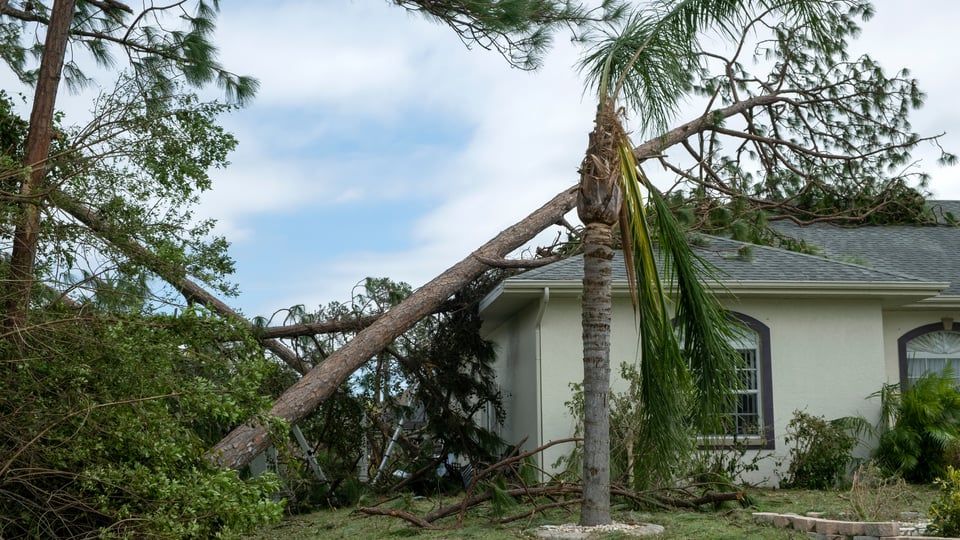
- Downed lines and debris impacts: Flooding often brings debris and falling trees that pull lines down, creating widespread faults and hazards that slow safe restoration.
- Safety shutoffs: Utilities may disconnect power in flooded zones to limit energized-water hazards for residents and responders, which means an outage can happen even if your home’s wiring is intact.
- Cascading failures: Flood outages can interrupt communications, fuel access, water treatment, and transportation, which delays repairs and resupply. This is another reason flood power outage preparation should assume a multi-day disruption.
“Cycling power” occurs when electricity returns briefly before failing again as crews isolate faults or damaged circuits trip under load. Treat these short windows of power as temporary. Avoid assuming the grid is stable until your utility confirms full circuit-level repairs.
How to prepare before flooding occurs
To prepare for an outage during a possible flood, move critical systems above expected water levels, protect drainage pathways, and collect supplies for several days.
Reduce electrical and electronics damage
- Elevate and protect key components: Move vulnerable items above flood-prone elevations, including movable appliances and stored electronics.
- Plan around your electrical panel: If your panel is in a flood-prone area, discuss elevation, relocation, or protective measures with a licensed electrician before flood season.
- Disconnect and unplug ahead of impact: Unplug sensitive electronics and use surge protection to reduce damage during restoration surges.
Prepare a battery backup if you have one
Now is the time to test and charge your battery backup if you have one. Portable battery power stations offer mobility since you can carry them to upper floors to escape rising water, but they require manual protection from moisture.
Permanent home backups provide automated, high-capacity power for sump pumps and crucial circuits, but are vulnerable to total loss if submerged. If your battery or inverter is mounted in a basement or low-lying garage, a single flood event can lead to a total loss of the $10,000+ system. Batteries and inverters should be installed at least 3 feet above the local flood plain to prevent catastrophic failure during a deep-water event.
Reduce basement and crawlspace flood impacts
- Waterproof and monitor: Seal visible cracks where practical, and use a water sensor alarm to detect accumulation early.
- Use a sump pump with battery backup: Install a battery backup system so the sump pump can run during a power outage.
- Avoid wading into floodwater: Plan to keep people out of basements and crawlspaces during active flooding.
Improve drainage and exterior readiness
- Clear gutters and downspouts: Remove debris to support runoff away from the foundation.
- Move valuables and documents: Store important documents in a waterproof container placed on a higher level.
- Anchor fuel tanks and outdoor items: Secure tanks and loose objects that can float, shift, or strike structures.
Build an outage communications and evacuation plan
- Create a communication plan on paper: Write down key contacts, meeting points, and medical instructions.
- Monitor alerts: Prepare to track NOAA weather alerts, local emergency management messages, and road closure notices.
- Map evacuation routes: Identify routes that avoid low-lying roads, underpasses, and flood-prone bridges if you have to evacuate.
Generator and carbon monoxide safety during flood outages
Generator safety is a core part of flood power outage preparation because improper use can cause carbon monoxide poisoning, fires, and backfeed that injures utility workers. Plan your generator setup before flooding, when you can still install correct connections and choose a safe (and raised) placement area.
Prevent carbon monoxide poisoning
- Run generators outdoors only: Place the generator outdoors in open air during flood power outages. Never run it in a home, basement, crawlspace, garage, or near open doors.
- Maintain distance: Keep the generator at least 25 feet from doors, windows, vents, and garages, and position the exhaust so it blows away from the building.
- Install carbon monoxide alarms: Use CO alarms with battery backup in sleeping areas and on each level so you still have warnings when the grid is down.
- Know symptoms: Treat headache, dizziness, nausea, and flu-like symptoms as warning signs during an outage. Move everyone to fresh air and seek medical help as needed.
Prevent electrical backfeed and equipment damage
Use a transfer switch or interlock installed by a qualified electrician for generator connection to home circuits. This is a non-negotiable step in flood power outage preparation.
- Prioritize loads: Choose which circuits matter most (refrigerator, medical devices, communications, sump pump if present) and avoid powering everything at once to reduce overload and fuel burn.
- Store fuel safely: Store fuel in approved containers in a ventilated, appropriate location away from ignition sources, and keep it above likely flood levels to prevent spills and contamination.
Food, water, and medical safety during an outage
A flood can limit access to refrigeration, water treatment, and pharmacies, so prepare your food, water, and medical outage checklist items. Prioritize safe storage, clear rules for discarding food, and backup methods for essential care.
Protect food with time and temperature rules
- Keep doors closed: Keep refrigerator and freezer doors closed as much as possible to maintain safe temperatures during a flood-related power outage.
- Use the 4-hour refrigerator rule: A refrigerator typically keeps food cold for about 4 hours if unopened, so plan meals and cooler use around that limit.
- Use the 48-hour full freezer rule: A full freezer can hold safe temperatures for about 48 hours if unopened (about 24 hours if half full), which helps you prioritize which foods to save.
- Use the 40°F threshold: Discard perishable foods exposed to 40°F or higher for more than 4 hours. When in doubt after a flood outage, throw it out to avoid foodborne illness.
These time and temperature rules don’t apply to shelf-stable unopened foods, commercially canned goods that remain intact, or foods that contain sufficient preservatives to inhibit bacterial growth.
Whole fruits and vegetables that were not cut prior to the outage may remain safe if they show no signs of spoilage and were not exposed to floodwater. However, any food that contacts floodwater, even if refrigerated, should be discarded due to contamination risk.
Protect drinking water and sanitation
- Follow water advisories: Use bottled water or boil water when advisories require it, because floods can contaminate systems and outages can reduce treatment capacity.
- Plan for water access: Store drinking water for several days, especially where wells require electricity for pumping (this step is easy to miss when preparing for a flood power outage).
Protect medical needs and refrigerated medications
- Plan for medical devices in an outage: Determine how long device battery backups last and how you will recharge them during a power outage (vehicle charging, generator, power station, or medical shelter).
- Plan for refrigerated medications: Keep a cooler strategy ready and consult your pharmacist for storage limits when refrigeration is lost, since flood outages can last longer than standard cooler ice.
- Maintain a refill buffer: Keep an updated medication list, dosing instructions, and a small reserve when possible in case roads close and pharmacies lose power.
Winter and summer flood outage considerations
Season-specific flood power outage preparation matters because cold snaps can freeze pipes and heat waves can cause heat illness when electricity is unavailable. Plan for temperature control that does not create additional hazards (CO poisoning, fire, or unsafe indoor air).
Winter: Freezing risk and water system limits
- Prevent pipe freezing: Insulate exposed pipes and plan controlled draining strategies when outages are long and temperatures drop, since flooded areas may stay without power for days.
- Plan for rural water needs: In many rural areas, electricity powers well pumps, so store drinking water ahead of time as part of flood and outage readiness.
- Use heaters safely: Use approved indoor-safe heating methods and keep combustion appliances ventilated according to manufacturer instructions. Never use outdoor heaters indoors during a flood power outage.
Summer: Heat risk and ventilation strategy
- Plan for heat illness prevention: Identify cooled locations you can reach if heat becomes unsafe (cooling centers, friends outside the flood zone), and plan transportation options if roads are partially blocked.
- Use airflow strategically: Use cross-ventilation when outdoor air quality allows, and reduce daytime heat buildup with blinds and curtains to make a flood outage without AC more tolerable.
- Adjust refrigeration habits: During hot weather, limit refrigerator openings and stage ice or coolers to protect perishables, because heat shortens safe time windows during outages.
PowerOutage.us tracking during Hurricane Beryl (July 2024) showed how heat can compound outages when AC fails, and grid strain rises during peak demand. High ambient temperatures increase electricity demand as air-conditioning load rises across the service territory, elevating current flow through already stressed transmission lines and transformers.
When damaged infrastructure is partially restored after flooding, this additional load can trigger protective relays, overload conditions, or voltage instability that causes circuits to trip offline again. In severe cases, utilities may implement controlled load shedding to prevent broader cascading failures across the grid.
What to do after floodwaters recede
Post-flood steps complete flood power outage preparation by restoring electricity only after inspection and by preventing shock, fire, and contamination during cleanup. Assume equipment may be unsafe even if it looks dry from the outside.
- Get an electrical inspection before re-energizing: Water exposure can damage wiring, outlets, breakers, and appliances in ways that remain dangerous after water is gone, so have a qualified professional inspect before turning systems back on.
- Avoid entering flooded basements until power is disconnected: Floodwater can hide energized components and create lethal conditions, especially near panels, outlets, extension cords, and appliances.
- Replace contaminated food and medicine: Discard food that exceeded safe temperature limits and replace refrigerated medications held at room temperature beyond label guidance; flooding can also contaminate packaging.
- Inspect appliances before reconnecting: Dry and assess appliances and outlets, and use professional help for any equipment exposed to water to avoid shocks and electrical fires after restoration.
- Monitor ongoing advisories: Follow boil water notices, road closures, and utility restoration updates as systems come back online, since flood damage can cause repeated shutoffs.
During Hurricane Milton, PowerOutage.us tracked intermittent restoration windows where electricity returned briefly before shutting off again. That “cycling” pattern makes staged re-energizing, unplugging sensitive devices, and surge protection part of safe post-flood outage recovery.
Flood power outage quick reference checklist
Use this condensed checklist to prepare before flooding, manage risk during a flood outage, and restore safely after the waters recede.
Before flooding
Create your emergency power outage kit:
- Flashlights
- Battery-powered radio
- Portable phone charger
- Drinking water
- Non-perishable food
- First aid kit
- Medications
- Blankets
- Important documents (waterproof container)
- Pet supplies (food, water, leash/collar)
Reduce electrical and water damage risk:
- Elevate appliances, outlets, and critical systems above expected flood levels.
- Install a sump pump with battery backup.
- Clear gutters and downspouts to improve drainage.
- Move electronics and important documents to higher ground.
- Fuel vehicles and safely store approved generator fuel.
- Install carbon monoxide alarms with battery backup.
- Write a paper communication and evacuation plan.
- Monitor NOAA weather alerts and local emergency updates.
During a flood power outage
Prevent shock, fire, and contamination hazards:
- Avoid entering flooded basements unless electricity is disconnected.
- Unplug appliances to reduce surge damage during restoration.
- Run generators outdoors only, at least 25 feet from openings.
- Keep refrigerator and freezer doors closed.
- Follow the 4-hour refrigerator and 48-hour full freezer rules.
- Discard perishable food above 40°F for 4+ hours.
- Use bottled or boiled water if under advisory.
- Prioritize medical devices and essential circuits if using backup power.
- Never walk or drive through floodwater; 6 inches of moving water can knock you down.
After floodwaters recede
Restore systems safely:
- Schedule an electrical inspection before re-energizing flooded systems.
- Replace contaminated food and temperature-compromised medications.
- Inspect appliances and outlets exposed to water before reconnecting.
- Follow boil water notices until lifted.
- Restock emergency supplies immediately for future events.
- Check PowerOutage.us to monitor restoration progress in your area.
Flood power outage examples
Real-world events show how flooding and storm surge can trigger prolonged power outages, disrupt restoration access, and compound infrastructure damage.
Hurricane Helene (September 27–28, 2024): 4.79 Million Customers
When Hurricane Helene struck the Southeast, PowerOutage.us tracked a peak of 4.79 million customers without power. In western North Carolina, flooding and landslides contributed to 14+ day outages in mountain counties. Urban areas restored faster, while flood-damaged roads and substations slowed rural repairs.
Hurricane Ian (September 28–29, 2022): 4+ Million Florida Customers
Hurricane Ian, a Category 4 storm with 150 mph sustained winds, combined with storm surge flooding, caused widespread grid failure. PowerOutage.us tracked 4+ million Florida customers and 1.1 million in the Carolinas without power. More than 100,000 customers remained offline five days later, with some areas enduring 6–8 day outages. NOAA, NASA, and the National Hurricane Center cited PowerOutage.us outage data during coverage.
These events demonstrate how flooding, storm surge, and water-saturated infrastructure extend outage duration beyond initial landfall. Monitoring historical outage patterns through PowerOutage.us helps households estimate preparation timelines based on measurable benchmarks like median restoration time, percentage of customers restored at 24-, 72-, and 168-hour intervals, and geographic factors like road access or substation damage.
Flood preparation recap
To sum up, flood power outage preparation requires planning for water hazards and electrical hazards at the same time. Focus on elevating and protecting electrical components, making safe shutoff decisions, following generator and CO rules, and preventing food and water contamination before the next flood event.