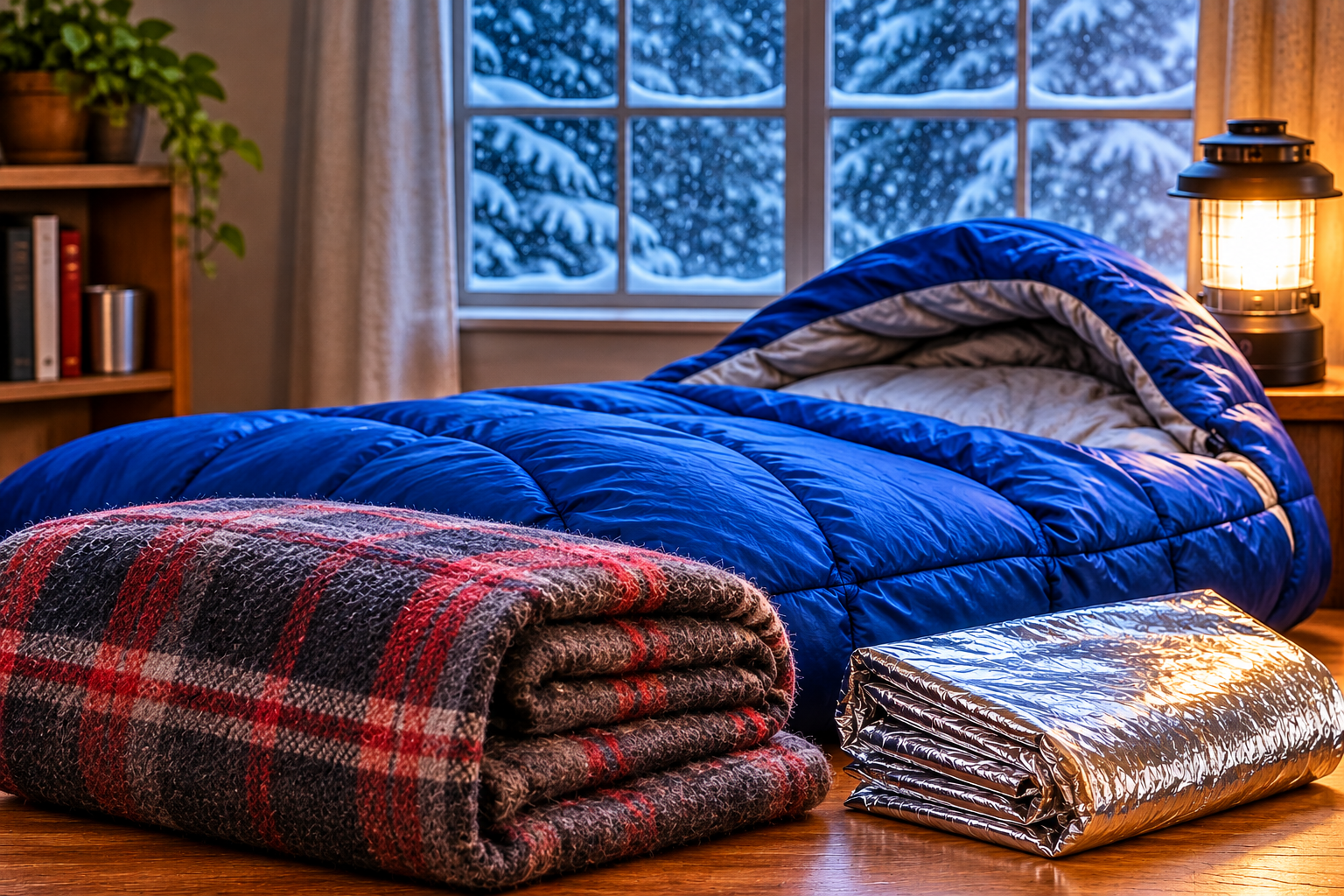


When a winter storm knocks out power, losing electricity can quickly mean losing heat. If your home relies on electric heating, temperatures inside can fall as the outage stretches from hours into days. A good sleeping bag or thermal blanket gives you another layer of protection, helping retain body heat without relying on electricity.
The best option depends on your situation: a cold-weather sleeping bag for overnight warmth, a roomy design that works for the whole family, or a compact emergency blanket that can be stored in a vehicle or emergency kit.
PowerOutage.us tracks more than 950 utilities serving over 200 million customers, about 95 percent of the country, and we consider outage patterns alongside our storm prep guidance to rank reliable emergency supplies. Winter outages can leave households without heat during the coldest nights of the year. The right sleeping bag or blanket can help you stay warm while you wait for power to return, especially when paired with insulated clothing and a way to keep heat from escaping your home.
How we ranked these sleeping bags and thermal blankets
These rankings draw on manufacturer specifications, product construction, and owner reviews, with PowerOutage.us outage data informing how we evaluate emergency preparedness.
The criteria below run from the factor we weighted heaviest to the one we weighted least.
- Insulation and warmth: First, because retaining body heat is the primary job of emergency bedding. We prioritized cold-weather ratings, insulation thickness, and materials designed to hold warmth.
- Temperature ratings: Second, because a sleeping bag's advertised temperature rating does not always mean you'll be comfortable at that temperature. We considered comfort ratings where manufacturers provided them and distinguished them from lower-limit or survival ratings.
- Material and moisture resistance: Third, because synthetic insulation and wool can be useful when conditions are damp, while a wet sleeping bag can lose much of its insulating ability.
- Coverage and comfort: Fourth, because size, shape, hood design, and room to move affect how well a sleeping bag or blanket works through a full night.
- Portability and value: Last, measured against how easily each product can be stored in a home emergency kit, vehicle, or closet.
A sleeping bag is only one part of staying warm during an outage. The insulation beneath you matters, too. A sleeping bag compressed against a cold floor or mattress loses some of its insulating ability, so pair it with a foam sleeping pad, an insulated mattress, or additional blankets. For a multi-day outage, choose products that can keep you warm without requiring electricity.
5 Best sleeping bags and thermal blankets for winter outages
These five picks cover everything from a heavy-duty 0°F sleeping bag to a compact emergency bivvy and a traditional wool blanket.
1. TETON Sports Celsius XXL 0°F
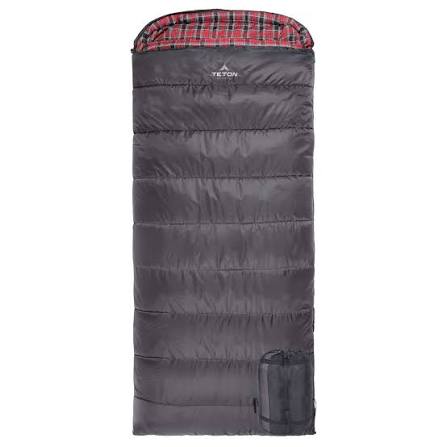
A roomy rectangular design, flannel lining, and a 0°F manufacturer rating make the TETON Sports Celsius XXL our top choice for households preparing for a winter power outage.
The Celsius is designed for people who want the warmth of a cold-weather sleeping bag without feeling confined inside a narrow mummy-style design. Its oversized dimensions provide room to move, while the polyester flannel lining, double-layer synthetic insulation, and draft tubes help retain body heat. The cinchable hood adds another layer of warmth when temperatures drop overnight.
For a household without heat, the roomy design is particularly useful. It can be used on a bed, couch, or insulated floor setup, and the XXL size accommodates larger adults who may find standard sleeping bags uncomfortable.
- Temperature rating: 0°F manufacturer rating; stated comfort range of approximately 25–30°F
- Insulation: SuperLoft Elite synthetic fiber fill
- Lining: Polyester flannel
- Design: Oversized rectangular sleeping bag with cinchable hood
- Features: Double-layer construction, shoulder and zipper draft tubes, two-way anti-snag zipper, compression sack
What are the Pros and Cons of Teton Sports Celsius XXL 0°F?
Choose the Celsius XXL if you want one substantial sleeping bag for a household emergency kit, especially if comfort and room to move matter as much as warmth. Skip it if you need something lightweight, compact, or designed for backpacking.
Pros
- Provides plenty of room for larger adults and side sleepers.
- Soft flannel lining feels warmer against the skin.
- Double-layer insulation and draft tubes help limit heat loss.
- Synthetic insulation is a practical choice for emergency preparedness.
- Available in multiple sizes, including XXL.
Cons
- Heavy and bulky compared with backpacking sleeping bags.
- The 0°F rating is not its stated comfort temperature.
- Rectangular corners can allow cold spots in very low temperatures.
- Takes up considerable storage space.
2. Coleman North Rim 0°F
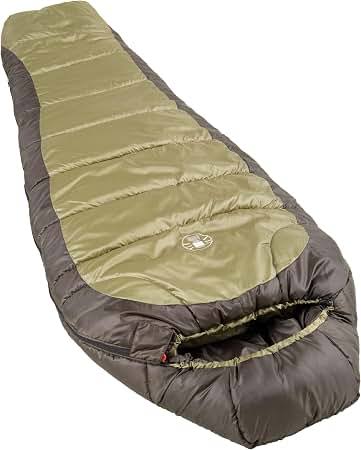
A 0°F manufacturer rating, adjustable hood, and synthetic insulation make the Coleman North Rim a practical choice for households that want a dedicated cold-weather sleeping bag without spending on premium outdoor equipment.
The Coleman North Rim uses Coletherm hollow polyester insulation and a mummy-style design to retain warmth around the body. Its adjustable hood helps reduce heat loss around the head, while a draft tube along the zipper helps prevent cold air from entering through one of the most common weak points in a sleeping bag.
It is a particularly useful option for a vehicle emergency kit or a spare bedroom. The bag is heavier than backpacking alternatives, but portability is less important when you plan to store it at home and use it during an extended winter outage.
- Temperature rating: 0°F manufacturer rating
- Insulation: Coletherm hollow polyester
- Design: Big & Tall mummy-style sleeping bag
- Length: Approximately 82 inches
- Features: Adjustable hood, zipper draft tube, polyester shell and lining
What are the Pros and Cons of the Coleman North Rim 0°F?
Buy the Coleman North Rim if you want an affordable, dedicated cold-weather sleeping bag for your home or vehicle emergency supplies. Pass on it if you prioritize a lightweight design or want a clearly documented comfort rating.
Pros
- Designed for cold-weather conditions.
- Adjustable hood helps retain warmth.
- Draft tube helps reduce heat loss around the zipper.
- Roomier than many traditional mummy bags.
- Generally affordable for a dedicated winter sleeping bag.
Cons
- Heavy and bulky for its level of insulation.
- Does not provide a separate published comfort rating.
- Mummy-style design may feel restrictive to some sleepers.
- Not as compact as backpacking-focused alternatives.
3. Kelty Cosmic Synthetic 20
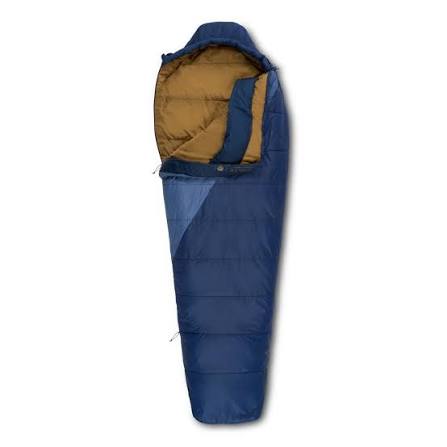
The Kelty Cosmic Synthetic 20's synthetic insulation, draft collar, and contoured hood make it a versatile option for households that want emergency bedding they can also use for camping or travel.
The Kelty Cosmic Synthetic 20 uses recycled CirroLoft ECO synthetic insulation, which provides warmth without the moisture sensitivity associated with down. It also includes a full-length zipper draft tube, an upper draft collar, and an insulated hood to help retain heat.
Its 20°F rating makes it better suited to moderately cold conditions than extreme winter temperatures. For a home that loses heat during a winter outage, it can be a good option when paired with an insulated sleeping pad and additional blankets.
- Temperature rating: 20°F manufacturer rating
- Insulation: Recycled CirroLoft ECO synthetic insulation
- Weight: Approximately 2 lb. 13 oz. (regular)
- Shell: Recycled 20D nylon with PFAS-free DWR
- Features: Contoured hood, draft collar, full-length zipper draft tube, anti-snag zipper, compression sack
What are the Pros and Cons of the Kelty Cosmic Synthetic 20?
Choose the Cosmic Synthetic 20 if you want a portable sleeping bag that can serve as part of an emergency kit and still be useful for camping. Skip it if your primary concern is staying warm in a home that could reach extremely low indoor temperatures.
Pros
- Lightweight compared with traditional winter sleeping bags.
- Synthetic insulation offers better moisture tolerance than down.
- Draft collar and zipper tube help retain body heat.
- Packs down for convenient storage.
- Can serve as both emergency bedding and camping equipment.
Cons
- Its 20°F rating is not designed for extreme cold.
- Less room than a rectangular sleeping bag.
- Requires additional insulation in a very cold room.
- Not as warm as dedicated 0°F winter sleeping bags.
4. Arcturus Military Wool Blanket
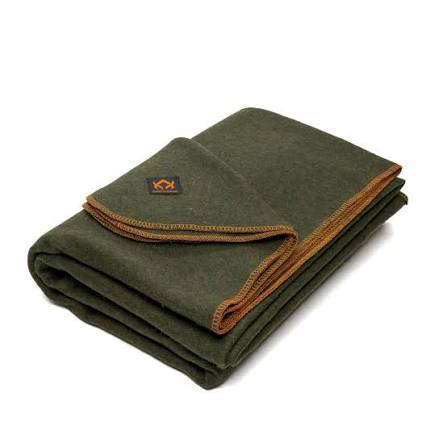
A heavy 4.5-pound construction, 550 GSM wool blend, and generous coverage make the Arcturus Military Wool Blanket our top traditional blanket pick for winter outage preparedness.
A heavy 4.5-pound construction, 550 GSM wool blend, and generous coverage make the Arcturus Military Wool Blanket our top traditional blanket pick for winter outage preparedness.
Unlike a sleeping bag, a wool blanket can be used in several ways. You can layer it over existing bedding, wrap it around your shoulders while moving around the house, or use it as an additional insulating layer over a sleeping bag. That flexibility makes it particularly useful when several people in a household need extra warmth.
Wool is also a practical emergency material because it retains insulating properties better than cotton when exposed to some moisture. The Arcturus blanket is made with a wool blend and is designed for repeated outdoor and emergency use.
- Material: Wool blend
- Weight: Approximately 4.5 lb.
- Density: 550 GSM
- Size: Approximately 64 x 88 inches
- Features: Heavy construction, woven wool blend, multiple color options
What are the Pros and Cons of the Arcturus Military Wool Blanket?
Buy the Arcturus wool blanket if you want a durable, reusable thermal layer that can serve multiple purposes during a winter outage. Pass on it if you want something lightweight, compact, or particularly soft against your skin.
Pros
- Thick, heavy construction provides substantial coverage.
- Wool offers useful insulation in damp conditions.
- Can be layered over beds, sleeping bags, or other blankets.
- Useful for both home and vehicle emergency kits.
- Versatile enough for everyday use outside emergencies.
Cons
- Heavy compared with synthetic emergency blankets.
- Can feel scratchy against bare skin.
- Requires more storage space than a compact thermal blanket.
- Needs appropriate care to maintain its condition.
5. SOL Emergency Bivvy
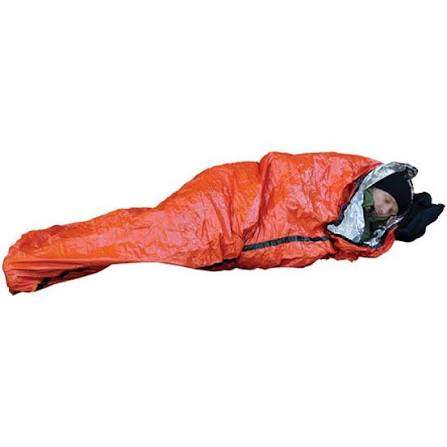
A lightweight, reflective design that helps retain body heat makes the S.O.L. Emergency Bivvy a useful backup for a vehicle emergency kit, household preparedness supplies, or outdoor emergency bag.
Unlike a traditional wool blanket, the SOL Emergency Bivvy is designed to wrap around the entire body. Its reflective material helps retain radiant body heat, while the enclosed design provides a barrier against wind and exposure. It packs down much smaller than a conventional sleeping bag, making it easy to store alongside other emergency supplies.
This is not a replacement for a properly insulated winter sleeping bag. It is best treated as an additional emergency layer for situations where you need to conserve body heat, particularly if you are stranded outside or waiting for assistance.
- Design: Reflective emergency bivvy sack
- Material: Metalized thermal material
- Coverage: Full-body emergency sleeping bag design
- Features: Lightweight construction, compact storage, heat-reflective surface
- Best use: Vehicle emergency kits, outdoor exposure, and supplemental insulation
What are the Pros and Cons of the SOL Emergency Bivvy?
Choose the S.O.L. Emergency Bivvy as a backup layer for your vehicle or household emergency kit. It is particularly useful when you need compact supplies that can be stored for extended periods. Pass on it if you want a comfortable primary sleeping solution for several nights without heat.
Pros
- Packs down much smaller than a traditional sleeping bag.
- Reflective material helps retain body heat.
- Full-body coverage offers more protection than a standard flat blanket.
- Useful as a backup for vehicles and emergency kits.
- Easy to store alongside other emergency supplies.
Cons
- Not designed to replace a properly insulated sleeping bag.
- Can accumulate condensation during extended use.
- Less comfortable for sleeping than traditional bedding.
- Not intended for repeated everyday use like a wool blanket.
Power outages and why emergency bedding matters
Winter power outages present a different challenge than outages during warmer months. When electricity is lost, electric furnaces, heat pumps, and other heating systems may stop working. Even homes with gas heating can lose their ability to circulate warm air if their systems depend on electricity.
The CDC recommends keeping extra blankets, sleeping bags, and warm winter clothing available as part of winter storm preparedness. These supplies become particularly important when an outage lasts overnight or stretches into multiple days.
During Winter Storm Fern in January 2026, more than 1 million customers across the South lost power. Extended outages during winter weather demonstrate why households should have a plan to stay warm without relying entirely on their heating system.
A sleeping bag can help create an insulated space around your body, while a wool or thermal blanket provides additional coverage. Combining the two with warm clothing and insulation underneath you can make a meaningful difference when indoor temperatures begin to fall.
Remember that bedding is not a substitute for a safe heating source. Never use a generator, gas grill, charcoal grill, or camping stove inside your home, garage, or other enclosed space to generate heat. Carbon monoxide poisoning can be deadly.
How to choose sleeping bags and thermal blankets for outages
Choosing the right emergency bedding involves comparing temperature ratings, insulation, materials, and how you plan to use the product.
- Understand temperature ratings. A 0°F sleeping bag does not necessarily mean you will be comfortable at 0°F. Look for a published comfort rating when available, and choose a bag rated for colder conditions than you expect to encounter.
- Consider synthetic insulation. Synthetic sleeping bags are generally more forgiving when exposed to moisture than down alternatives. This can be useful during storms and other unpredictable conditions.
- Look for full-body coverage. A sleeping bag with an insulated hood, draft collar, and zipper tube can help prevent heat from escaping. For blankets, prioritize enough coverage to wrap around your body.
- Don't forget insulation underneath. A sleeping bag compressed against a cold floor or mattress loses insulating effectiveness. Use a foam sleeping pad, insulated mattress, or additional blanket underneath.
- Keep wool and thermal blankets available. Wool blankets provide reusable warmth, while reflective emergency bivvies offer compact backup protection. Both can complement a traditional sleeping bag.
- Plan for the whole household. Make sure you have enough sleeping bags and blankets for everyone, including children and older family members. A single emergency sleeping bag is not enough for a household.
- Store supplies properly. Keep sleeping bags dry and follow manufacturer storage instructions. Avoid leaving insulation compressed for extended periods if the manufacturer recommends long-term storage uncompressed.
For longer outages, consider pairing emergency bedding with a power station or another safe backup power source for essential devices. Our emergency preparedness and backup power guides cover the other supplies worth keeping on hand.
Quick Recap
The TETON Sports Celsius XXL 0°F is the best overall sleeping bag for staying warm during an extended winter outage, while the Coleman North Rim offers a more affordable cold-weather option. The Kelty Cosmic Synthetic 20 is a lighter choice, the Arcturus Military Wool Blanket adds versatile insulation, and the S.O.L. Emergency Bivvy provides compact backup protection. Consider combining a properly rated sleeping bag with an insulated sleeping pad and extra blankets, and keep an emergency bivvy on hand in case temperatures drop unexpectedly.