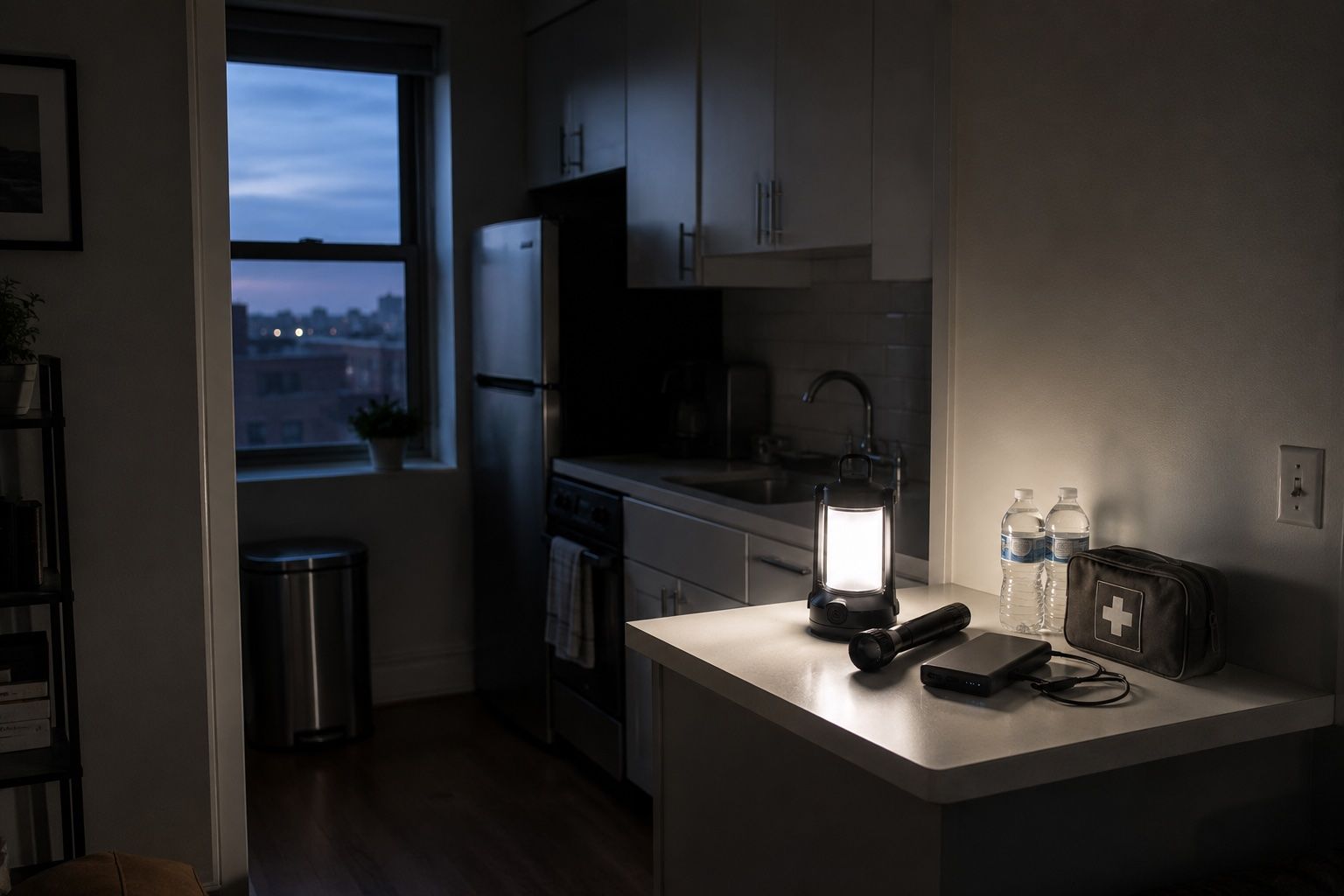
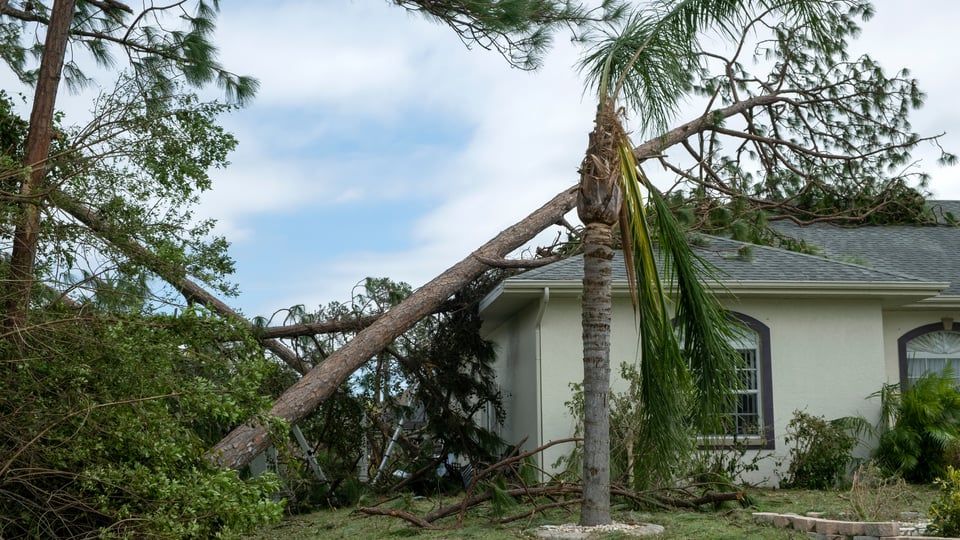
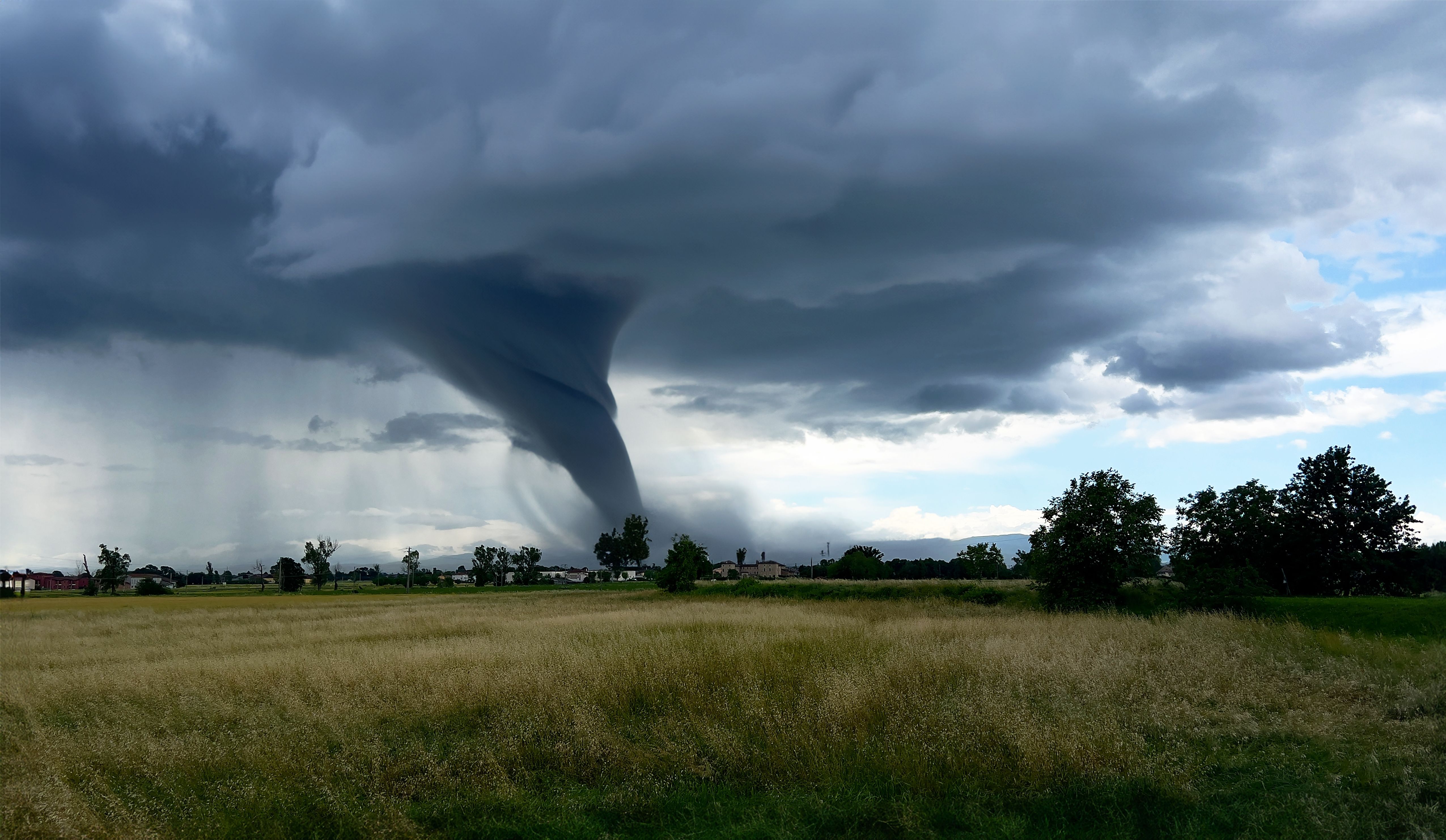

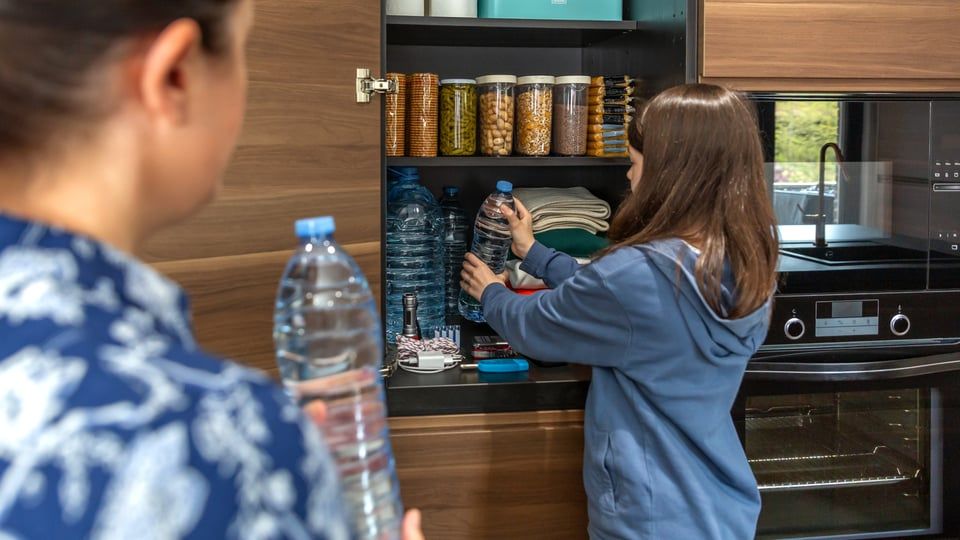


Picking the right emergency lighting isn't really about buying the brightest thing on the shelf. It's more about matching the light type to the task. A lantern for room coverage, a headlamp for hands-free movement, and an auto activation for when the power cuts. That kind of layered setup covers each scenario without making you fumble around in the dark during a storm outage.
PowerOutage.us monitors outages across 950 or more utilities serving more than 200 million customers. That's roughly 96% of all U.S. electricity customers. That data shapes the outage duration scenarios in this guide and tells you how long your emergency lights actually need to last.
5 Best emergency lights for power outages
Choosing the right emergency lights for a blackout comes down to matching the light type to how you're going to use it. We evaluated each pick on lumen output, runtime on low mode, power source reliability, indoor safety, and practical size for home storage. The five picks below cover room lighting, hands-free tasks, automatic activation, long outages, and a premium option for households that need maximum durability.
1. Goal Zero Lighthouse 600
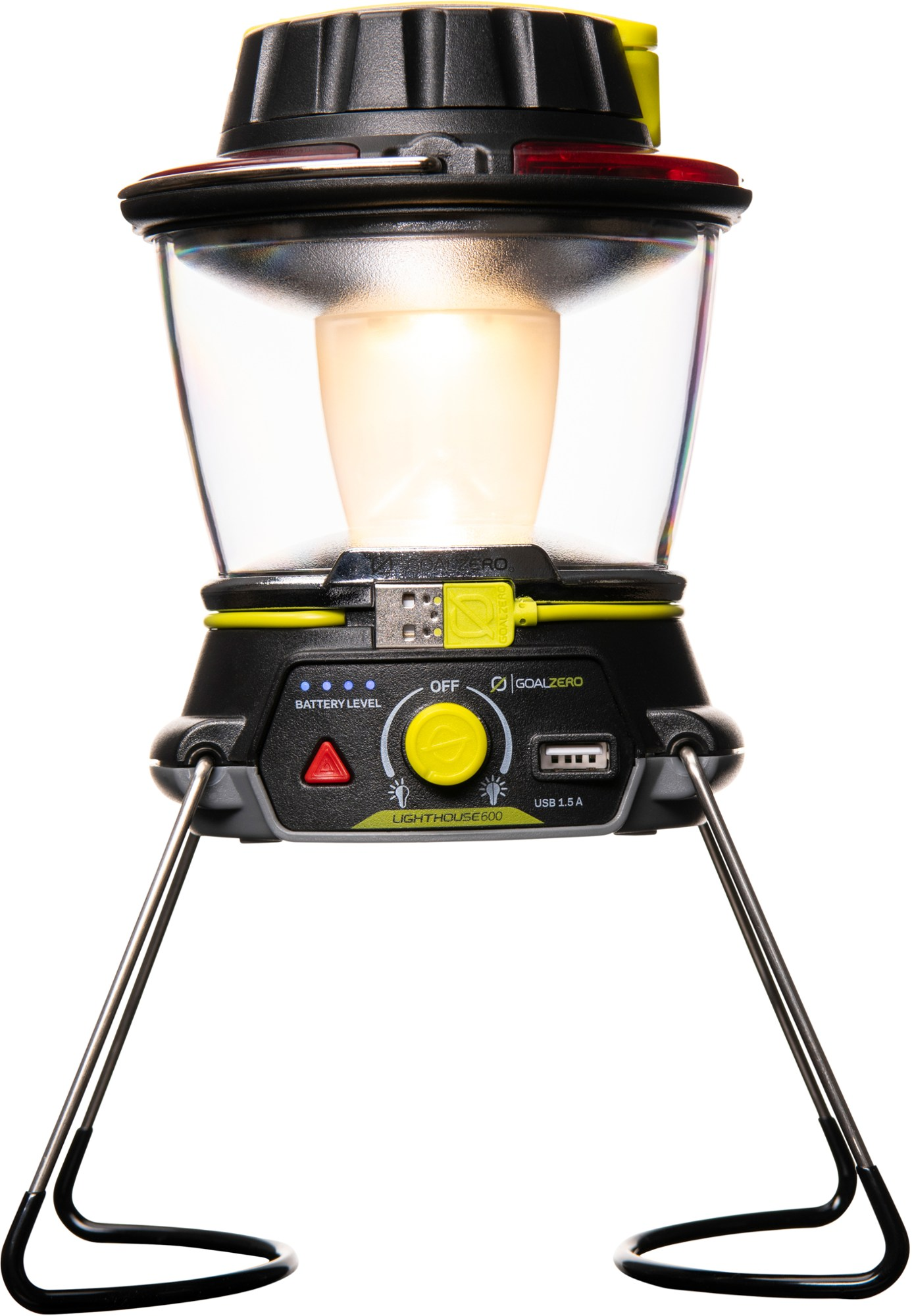
The Goal Zero Lighthouse 600 is the best emergency lantern for most homes. It combines 600 lumens of output with a built-in USB port that charges your phone directly from the same unit. The Lighthouse 600's 7,800 mAh internal battery runs up to 48 hours on the lowest setting and still delivers USB output to top up a smartphone.
What are the Goal Zero Lighthouse 600's features?
The Lighthouse 600 is built around an LED array that adjusts from 10 lumens on the lowest setting to 600 lumens at full brightness.
- Output: 10 to 600 lumens (adjustable dial)
- Internal battery: 7,800 mAh lithium (rechargeable via USB-C)
- Runtime: Up to 48 hours on low; approximately 3.5 hours on high
- Phone charging: USB-A output port charges phones and small devices
- Weight: 1.65 lbs
- Recharge time: About 4 to 6 hours, depending on charger wattage and remaining battery level.
- Price range: $70 to $85
The collapsible handle converts between a carry grip, a hanging hook, and a flat stand. So placement is pretty flexible in any room without needing a flat surface.
What are the pros and cons of the Goal Zero Lighthouse 600?
The Goal Zero Lighthouse 600 earns its top spot by combining a genuinely useful lumen range with a power-sharing feature that most competing lanterns don’t have.
Pros
- 600 lumens is enough to illuminate a full room without aiming the light at a specific spot
- The USB-A output port lets you charge a phone during a blackout, so you don't need a separate power bank just for basic device charging
- The lowest setting (10 lumens) extends runtime to 48 hours, which covers multi-day outages on a single charge
- The adjustable output dial gives you precise brightness control, so you're not burning through the battery faster than you need to
Cons
- At 1.65 lbs, the Lighthouse 600 is heavier than competing 300-lumen lanterns that weigh under 0.5 lbs. It's really more of a room lantern than a backpack light.
- The USB-A output port charges at standard 5 V speed, so fast-charging phones get normal speed rather than accelerated charging.
2. Streamlight Super Siege
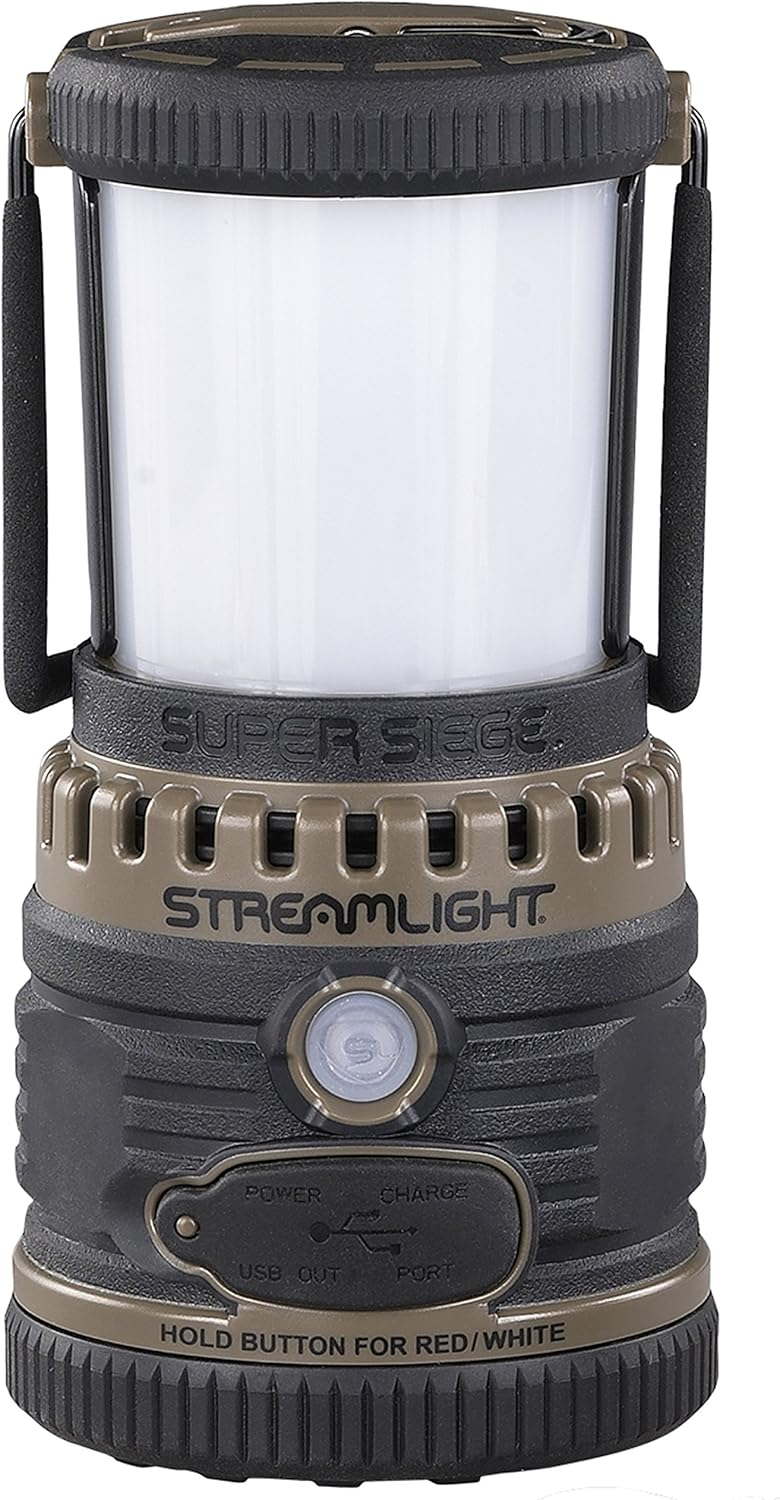
The Streamlight Super Siege is the best emergency lantern for households that need maximum durability. It delivers 1,000 lumens from an IP67-rated housing that withstands full submersion. At double the brightness of the Goal Zero Lighthouse 600, the Super Siege is the right pick when you need to light a large open plan area, a garage, or outdoor space during a storm.
What are the Streamlight Super Siege's features?
The Super Siege runs from a high-capacity rechargeable lithium-ion battery and offers four output modes, including a dedicated red emergency mode.
- Output: 1,000 lumens on high; 545 lumens on medium; 130 lumens on low; red mode
- IP rating: IP67 (waterproof to 1 meter for 30 minutes)
- Recharge: USB-C; approximately 3 hours from empty
- Runtime: Up to 6.5 hours on high; up to 21 hours on low
- Weight: 2.05 lbs
- Red mode: Flash and steady options for emergency signaling
- Price range: $85 to $110
The red mode uses a separate red LED array that preserves night vision. Red light doesn't cause the same pupil contraction as white light, so transitioning back to darkness is faster.
What are the pros and cons of the Streamlight Super Siege?
The Streamlight Super Siege is the most durable lantern on this list and the only one with IP67-rated waterproofing. But it could be overkill for some scenarios.
Pros
- IP67 waterproofing means it works in rain, flooding, or wet basement conditions without failing
- The red emergency mode preserves night vision for moving between rooms during a multi-hour outage
- USB-C charging is faster and more universal than older proprietary connectors
- 1,000 lumens covers a large room or garage with no dark corners
Cons
- At $85 to $110, the Super Siege costs roughly 30% more than the Goal Zero Lighthouse 600. That's a lot of extra cost if you don't actually need IP67-rated durability.
- The 2.05 lb weight is heavier than alternatives at the same brightness tier, which makes carrying it between rooms less convenient.
3. Black Diamond Spot 400-R
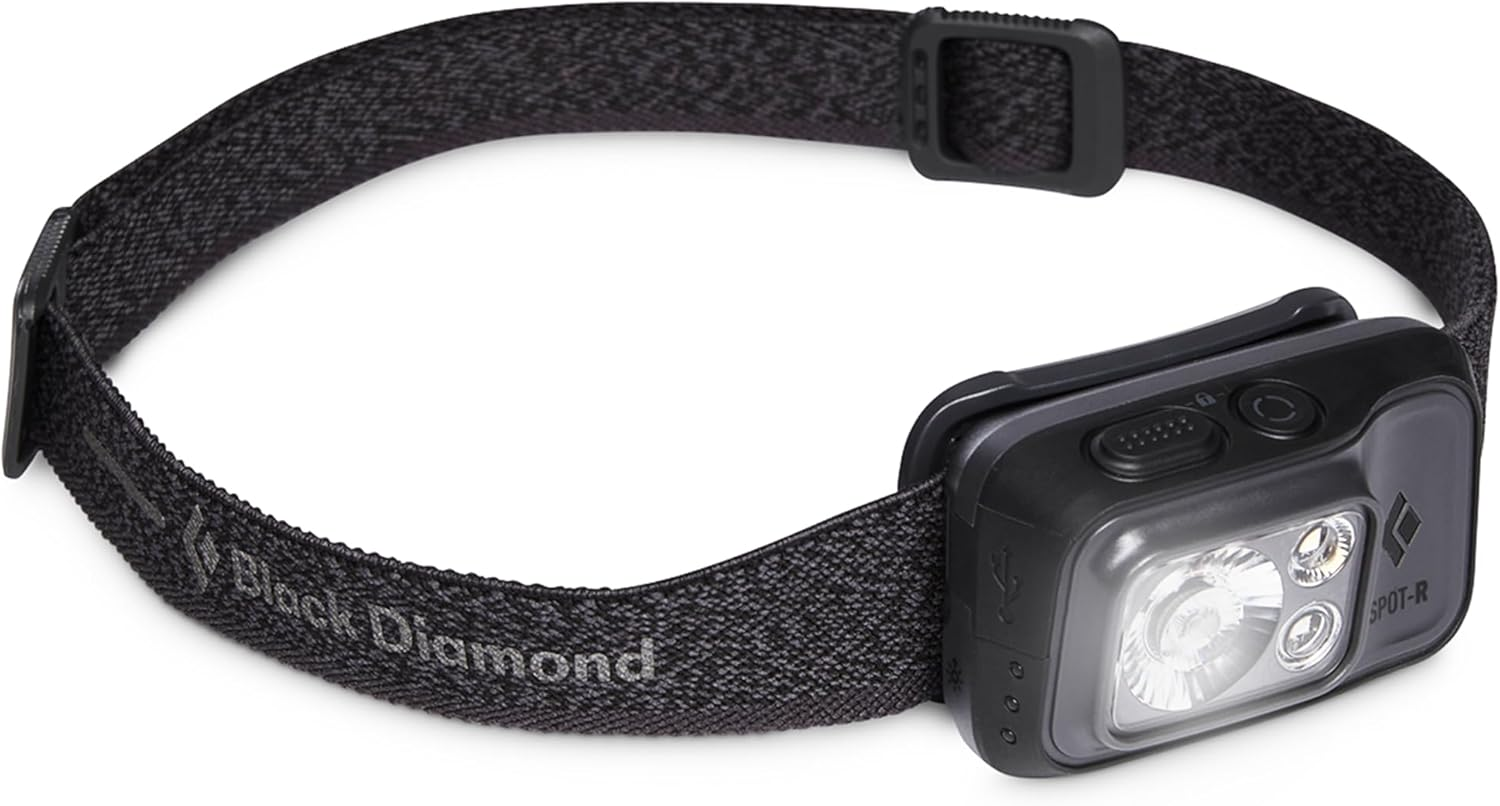
The Black Diamond Spot 400-R is the best headlamp for power outage use. It combines 400 lumens of focused output with more than 200 hours of low mode runtime from a single USB-C rechargeable battery. The rechargeable BD 1500 battery system provides good runtime for blackout use while keeping the headlamp compact and lightweight.
What are the Black Diamond Spot 400-R's features?
The Spot 400-R uses a single LED array with a precision reflector that produces a usable beam distance of 80 meters.
- Output: 400 lumens on high; variable low through medium settings
- Runtime: Long-duration low mode runtime suitable for multi-night outage use; approximately 4 hours on high output.
- Beam distance: 80 meters
- IP rating: IPX8 (waterproof to 3.5 meters)
- Weight: 2.6 oz
- Recharge: USB-C
- Battery fallback: Accepts 3 AAA batteries when USB charge isn't available
- Price range: $55 to $65
What are the pros and cons of the Black Diamond Spot 400-R?
The Black Diamond Spot 400-R covers the widest range of emergency scenarios of any headlamp in this category. It works on rechargeable power and standard batteries without sacrificing waterproofing.
Pros
- 200-hour low mode runtime covers a week of multi-hour evening use on one USB-C charge
- USB-C charging compatibility makes it easy to recharge from modern backup power gear during an outage.
- IPX8 waterproofing exceeds what most emergency headlamps offer and handles rain and wet conditions well
- 2.6 oz is light enough to wear for extended periods without much neck or brow fatigue
Cons
- The 400 lumen max output lasts only 4 hours before stepping down to preserve battery.
- The proximity sensor tap activation can accidentally trigger the light in a storage bag or drawer. Keeping it in lock mode between uses prevents unwanted battery drain during storage.
4. Energizer Auto-On LED Flashlights
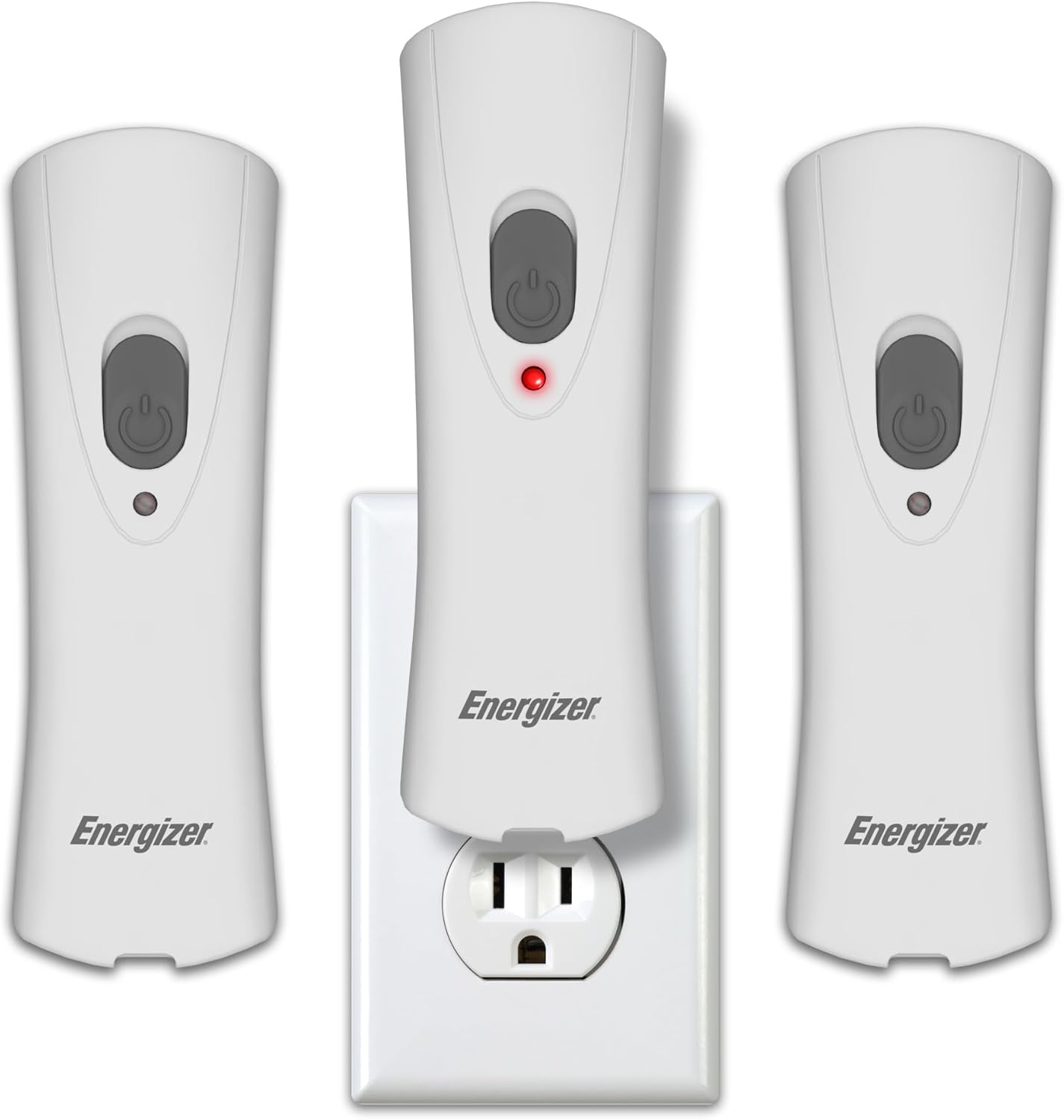
The Energizer Auto-On LED Flashlight is the best plug-in emergency light for power outages. It activates automatically the moment the grid goes down, with no button press or searching in the dark required. The Auto-On light plugs into any standard wall outlet, keeps its internal battery continuously charged, and switches on immediately when power fails.
What are the Energizer Auto-On Light’s features?
The Auto-On light uses a built-in rechargeable battery that stays topped off while plugged in and activates at full brightness within milliseconds of grid failure.
- Activation: Automatic (no button required during power failure)
- Output: Up to 100 lumens; two brightness settings when used as a removable flashlight
- Runtime: Up to 3.5 hours on auto activation mode
- Recharge: Continuous via wall outlet (standard 120 V)
- Removable flashlight: Yes, the head detaches and functions as a portable flashlight
- Pack size: Available as a 2- or 3-pack
- Price range: $25 to $35 (3 pack)
The 3-pack lets you cover three rooms or hallways without buying multiple different products. One in the bedroom, one in a hallway, and one near the stairs, for example.
What are the pros and cons of the Energizer Auto-On Light?
The Energizer WeatheReady Auto-On light eliminates the problem of finding emergency lights in the dark. That makes it the most practical first-line safety tool for residential power outages.
Pros
- Automatic activation requires no action during a power failure, which is important when you might be disoriented in the middle of the night
- The detachable flashlight function extends use beyond the immediate room
- 3-pack pricing gives multi-room coverage at a lower per-unit cost than buying individual lanterns for each space
- Continuous outlet charging means the battery is always full, even after months pass between outage events
Cons
- The 3.5-hour runtime is the shortest of any product on this list. It's designed to bridge the gap until you grab your lantern or headlamp, not to serve as your only light source during a multi-day outage.
- 100 lumens is enough for navigating safely, but not enough to read, cook, or do detailed tasks in a dark room.
5. BioLite Luci
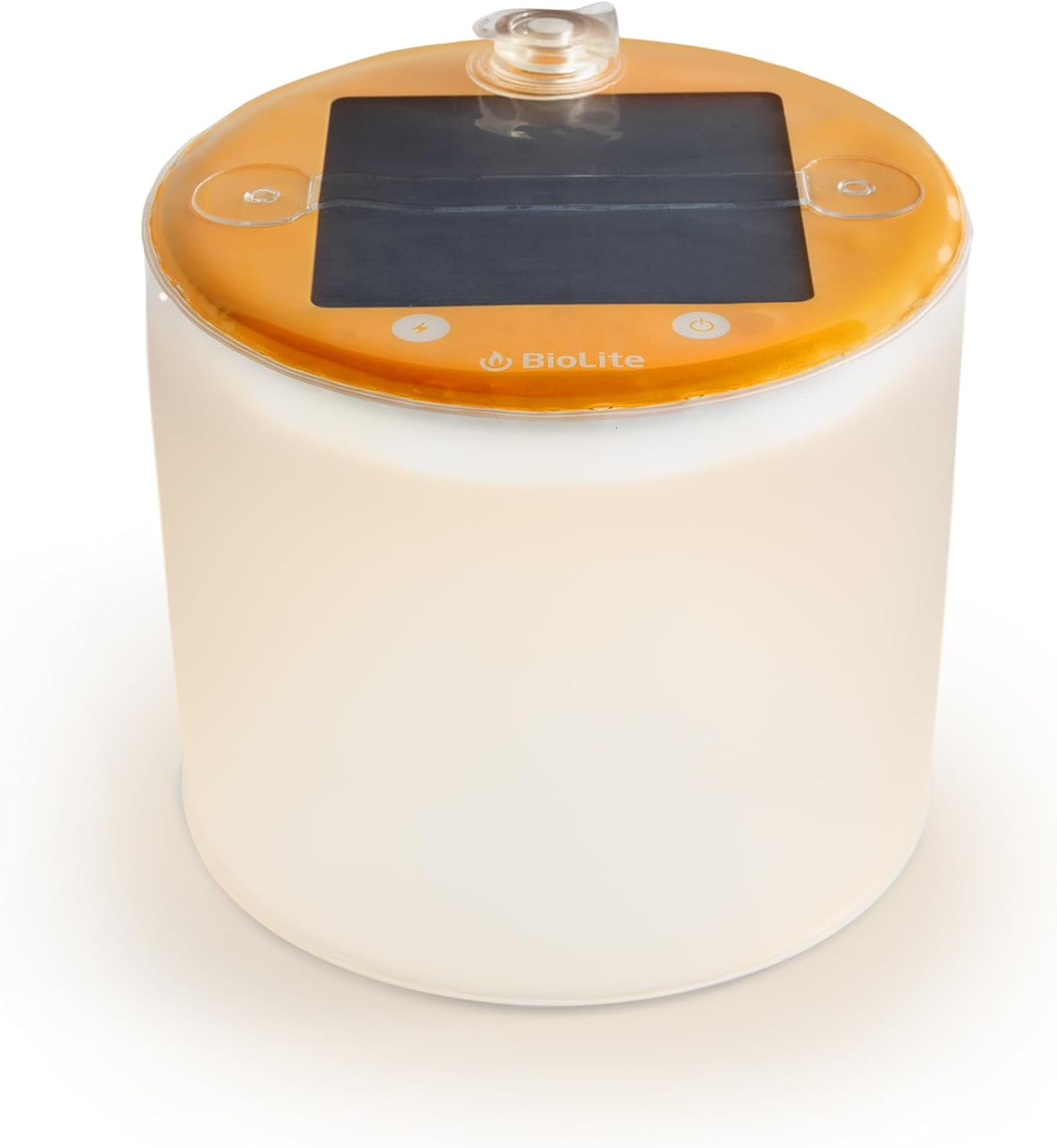
The BioLite Luci is the best solar emergency lantern for extended outages. It recharges entirely from sunlight with no grid dependency and no battery swaps required.
What are the BioLite Luci's features?
The BioLite Luci uses a flexible monocrystalline solar panel on top of an inflatable waterproof housing to recharge its integrated lithium battery.
- Output: 65 lumens
- Internal battery: 1,000 mAh lithium
- Runtime: 24 hours
- Recharge: Integrated solar panel or USB-C input, depending on weather conditions and available sunlight.
- IP rating: IP67 waterproof (floats)
- Collapsed size: 1 inch thick
- Weight: 4.4 oz
- Price range: $30 to $45
The USB-C recharge fallback matters for households in overcast climates where solar output gets reduced significantly during winter storms. A lantern that can only recharge from sunlight isn't reliable during an ice storm.
What are the pros and cons of the BioLite Luci?
The BioLite Luci is the most resilient emergency lantern on this list for multi-day outages without additional batteries or electricity. It also holds up in wet conditions.
Pros
- Solar recharging generates backup energy as long as sunlight is available, even during extended grid failures lasting a week or more
- IP67 waterproofing and buoyancy allow outdoor use during storms or flooding without damage risk
- At 4.4 oz with a flat collapsed profile, it fits in an emergency kit without taking up meaningful drawer or shelf space
- The red emergency mode works for signaling as well as preserving night vision between lit and dark areas
Cons
- 65 lumens is just enough to see in the dark but it won’t illuminate a whole area
- Solar recharge requires direct sunlight. In regions with extended overcast periods after winter storms, the USB-C fallback is essential, and the solar advantage narrows significantly.
How to choose the best emergency light for a power outage
Selecting the right emergency light really comes down to matching the light type to the failure scenario you're preparing for. It's not just about picking the highest lumen count.
How many lumens do you need for a power outage?
100 to 150 lumens tends to give you safe navigational light for hallways and stairwells, while 300 to 600 lumens illuminates a standard living room well enough to read, cook, or move around safely.
One thing a lot of buyers overlook is the difference between peak lumens and sustained lumens. Most flashlights and lanterns advertise a peak output that steps down after a few minutes to manage heat. The rated runtime at each brightness level tells you a lot more than the peak number alone when you're figuring out how long a light will actually last.
What power source is most reliable for emergency lights?
Rechargeable lithium batteries offer the best combination of runtime and convenience for most home outage scenarios. But dual power units that accept both USB recharge and disposable AA or AAA batteries offer the widest coverage when grid power stays down for multiple days.
USB-C rechargeable lights are the most practical option for outages under 24 hours. You can top them off from a laptop, power bank, or solar power bank before a storm arrives. For outages lasting longer than 24 hours, having either a solar option or a stash of fresh alkaline batteries as a fallback prevents your lights from going dark before power returns.
For winter preparedness specifically, USB-C recharge from a power station or a full alkaline battery supply is more reliable than solar alone.
Should you get a lantern, headlamp, or plug-in emergency light?
Lanterns illuminate rooms, headlamps keep hands free during tasks, and plug-in auto activation lights provide immediate illumination with no action required.
For most households, a combination of all three types covers every real scenario. The Energizer WeatheReady handles the first moments of an outage automatically. The Goal Zero Lighthouse 600 provides sustained room lighting for the hours that follow. And a headlamp like the Black Diamond Spot 400-R takes over when you need both hands free to locate your emergency kit, tend to a child, or check exterior damage.
How long do real power outages last?
U.S. electricity customers experienced an average of 11 hours without power in 2024, according to EIA data. That's nearly double the annual average from the prior decade. That figure gets pushed up by major storm events, not routine grid failures, which means a single hurricane can convert a year of otherwise short outages into a statistic that looks manageable on average but is devastating in the affected region.
During Winter Storm Fern in January 2026, PowerOutage.us tracked more than 1,005,641 customers without power at peak.
- Hardest hit areas in Tennessee went six or more days without restoration.
- Nashville, where 48% of residents live in apartment buildings of 20 or more units, faced multi-day outages in dense urban housing, not just rural areas.
Emergency lights with only a few hours of runtime work well for short outages, but extended blackouts benefit from rechargeable systems, solar backup, or replaceable battery support.
Hurricane Helene in September 2024 affected 4.79 million customers at its peak, the largest single event PowerOutage.us tracked in 2024.
Western North Carolina mountain counties needed infrastructure rebuilds rather than simple line repairs, with some areas waiting more than 14 days for restoration. South Carolina customers averaged 53 hours without power during 2024, the worst state average in the nation per EIA.
Emergency lights with multi-day battery capacity, solar recharging, or alkaline battery fallback aren't edge case products. They're the right standard for events that actually happen, like hurricane outages.
Are rechargeable emergency lights better than battery-powered lights?
Battery-powered lights with fresh alkaline cells are more reliable during extended outages when grid power isn't available to recharge. Alkaline AA batteries tend to hold their charge for up to 10 years in storage, so they're a pretty practical long-term backup at low cost. A fresh six-pack of AA batteries stored in a drawer costs a few dollars and adds meaningful runtime depth to any emergency lighting setup.
Quick recap
The Goal Zero Lighthouse 600 is the best overall emergency lantern for room lighting, with the Black Diamond Spot 400-R for hands-free task lighting and the Energizer WeatheReady for automatic activation when the grid fails. The BioLite Luci covers solar recharge scenarios over multiple days. Consider using multiple types of lights to have backup illumination for different situations.