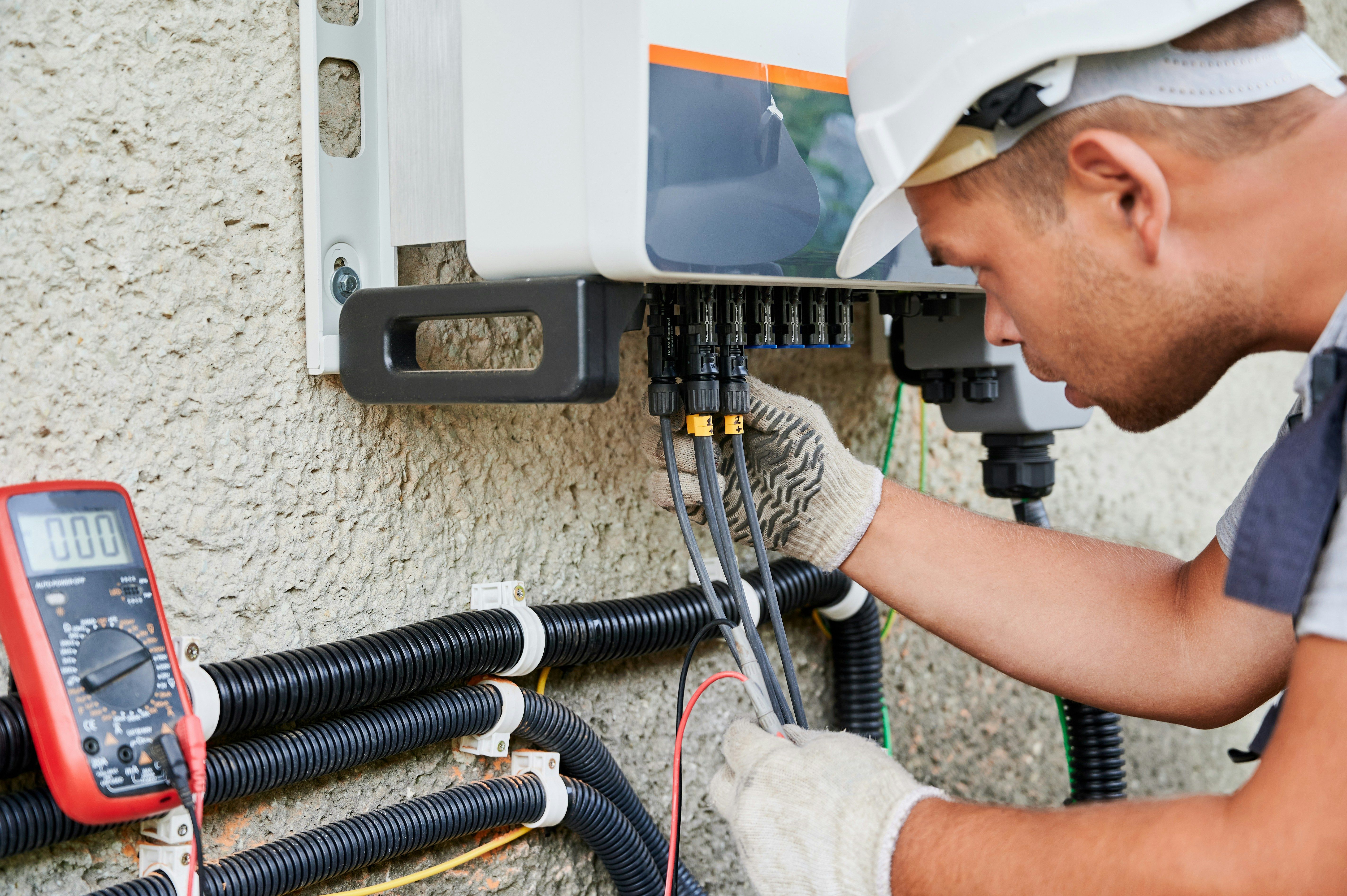

A portable generator can serve as a lifeline during an emergency, but only if you know how to connect it properly. In this guide, we walk you through how to hook a portable generator up to your house safely. You’ll also learn about the key components of a whole-house generator and other vital information to help you when the time comes to use it.
PowerOutage.us monitors 950+ utilities covering more than 200 million U.S. customers and sends free real-time outage alerts by text and email. Those alerts notify you the moment grid power returns so you know when to safely shut down and disconnect your portable generator.
Important portable generator safety notice
Connecting a portable generator directly to your home comes with serious risks to your safety and your property. Backfeeding directly into your home circuit without a code-compliant transfer switch is a violation of the National Electrical Code (NEC) and endangers the health and safety of utility workers.
Never hook a portable generator up to your home wiring without having a suitable transfer switch installed by a licensed professional.
Always follow all manufacturer instructions and guidance on connecting your generator and grounding it properly. Ensure that any transfer switch or interlock device you use is fully code-compliant.
What you need before you start hooking up a generator
Before you attempt to set up your portable home generator, make sure you have the following items ready:
- Portable generator with adequate wattage and surge protection (models like the Honda EU3000iS, Westinghouse WGen7500c, and Champion 4500W Dual-Fuel Inverter are popular options)
- Transfer switch or interlock kit
- Heavy-duty extension cords
- All necessary generator cables and connectors recommended by the manufacturer
- Voltage tester
- Basic hand tools such as screwdrivers, pliers, and wrenches
- Instruction manuals for all equipment
- Safety checklist
- Generator fuel
Choosing the right generator connection method
There are three main methods of connecting a portable generator to your home electrical system. We take a detailed look at each method in the following section.
Transfer switch (recommended and code-compliant)
The best and safest way to hook up a portable generator to your house is by using a transfer switch. These devices separate your generator from the utility grid while allowing you to choose which circuits in your home receive power.
You can find both manual and automatic transfer switches to use with your generator. Manual transfer switches require you to physically flip your home’s circuit breakers to switch to generator power. Automatic switches can switch to generator power when an outage is detected. Your local electrical codes may stipulate which type of transfer switches you can and cannot use.
Higher-output generators pair best with a transfer switch setup. Models like the DuroMax XP12000HX and Champion 8.5 kW produce enough wattage to power multiple home circuits simultaneously, making a transfer switch the most practical connection method for whole-home coverage.
Interlock kit
Another option for connecting a generator to your home is to use an interlock kit. This is a mechanical device installed on your main electrical panel that prevents it from running at the same time as your generator. Interlock kits are generally more affordable than transfer switches but require manual intervention and aren’t quite as efficient at load management. These devices may also be subject to local electrical codes in your area.
For interlock kits, mid-range generators like the DuroMax XP5500EH and Cummins Onan P4500iDF are good choices, since their output levels align well with the selective circuit management an interlock kit requires.
Direct extension cord connection
You can also use extension cords to connect appliances directly to a portable generator. This should only be seen as a temporary or partial solution, as extension cords do not provide surge protection and come with other significant safety concerns. You also will not be able to power home systems like a well pump or furnace that are integrated into your home electrical system.
Compact inverter generators like the Honda EU2200i and Pulsar 2200 Dual-Fuel are good options here, as they can run individual appliances directly.
How to hook up a portable generator with a transfer switch
Warning: Installing a transfer switch is a job for licensed electrical professionals only. Do not attempt to install a transfer switch yourself. Failure to install a transfer switch properly puts you, your home, and utility workers at significant risk.
Prerequisites
Using a transfer switch is the safest and most reliable way to hook a portable generator up to your home electrical circuit.
A professional electrician will install a transfer switch along with an inlet box. This is a small box on the outside of your home that accepts the generator hookup. Once a transfer switch and inlet box have been installed by a professional, connecting your generator involves only a few simple steps.
After installation, have your setup inspected by a professional. This shows all the wiring and connections were set up properly. This also shows your insurance company that it can’t claim faulty wiring if you have a fire.
Step 1: Position the generator safely outdoors
Portable generators create carbon monoxide as a byproduct, which is a potentially lethal toxic gas that is impossible to detect without specialized equipment. Set up your generator at least 20 feet from any doors, windows, or vents into your home to ensure the safety of everyone inside.
Never run a portable generator indoors, even in your attic, basement, or garage. Make sure to cover your generator from rain and other elements to prevent it from short-circuiting.
Step 2: Turn off the main power
Always turn off your main breaker before attempting to connect your generator to your transfer switch. Connecting your generator to a live electrical system could cause backfeeding, which is a significant safety hazard.
Step 3: Connect the generator to the transfer switch
Once you have confirmed that your main power is off, connect your generator to the transfer switch’s inlet box with a properly rated cable. Many transfer switches come with cables that are designed for this specific use, so it’s best to use that if available. Double-check every connection point to see that they are secure and shielded from weather and moisture.
Step 4: Start the generator
After connecting it to the transfer switch, start your generator according to your manufacturer’s instructions. These steps generally include:
- Check oil and fuel levels (gasoline, propane, or diesel)
- Set the choke, if required
- Start the generator
- Allow the unit to stabilize voltage before flipping any switches into the “on” position
Step 5: Switch over power circuits
With your portable electricity generator running, use the transfer switch to choose which home circuits you want to power. Only select circuits that match the wattage of your portable generator and consider which circuits are the most necessary to prioritize and avoid overload.
Step 6: Monitor load and operation
While in operation, keep an eye on the electrical load using either the indicators on your transfer switch or built-in meters on the portable generator. Do not exceed the output your equipment is rated to handle. Watch for any signs of flickering power or unusual noises to address any issues that may arise immediately.
How to shut down and disconnect a portable generator
When you no longer need to use your generator to power your home, you’ll need to properly shut it down and disconnect it by following these steps:
- Change the transfer switch circuits back to the utility feed
- Turn your portable generator off and allow it to cool
- After it’s off, unplug the generator cable from the power inlet on the transfer switch
- Store your portable generator, cables, and all accessories in a dry, safe area
Your generator’s manufacturer may have a specific shutdown procedure they recommend. Make sure to follow this procedure if this is the case to ensure safe, long-lasting operation.
Common mistakes to avoid
There are a few mistakes that people tend to make when hooking up a portable generator to their house. These mistakes can cause safety risks or limit the performance and longevity of your equipment. Mistakes include:
- Overloading: Ensure that the energy usage of the appliances you power with your generator is not more than it is designed to handle. Overloading the circuit can cause shutdown or even damage to your equipment.
- Backfeeding: Connecting a generator directly to an outlet can cause backfeeding, where electricity is sent back into the utility grid and can energize power lines, putting utility workers and equipment at risk.
- Indoor usage: Running a generator in an enclosed space can cause potentially fatal carbon monoxide poisoning.
- Improper extension cords: Cords that aren’t rated to handle generator loads can cause a safety risk or damage your generator and appliances.
- Ignoring maintenance: Performing regular maintenance on your generator, like oil changes, spark plug maintenance, and air filter replacements, can help ensure safe operation. You should also regularly inspect all cables and connectors.
Reliable generators to start with
Here are a few generator options that are simple to hook up to a house.
Westinghouse WGen 7500c
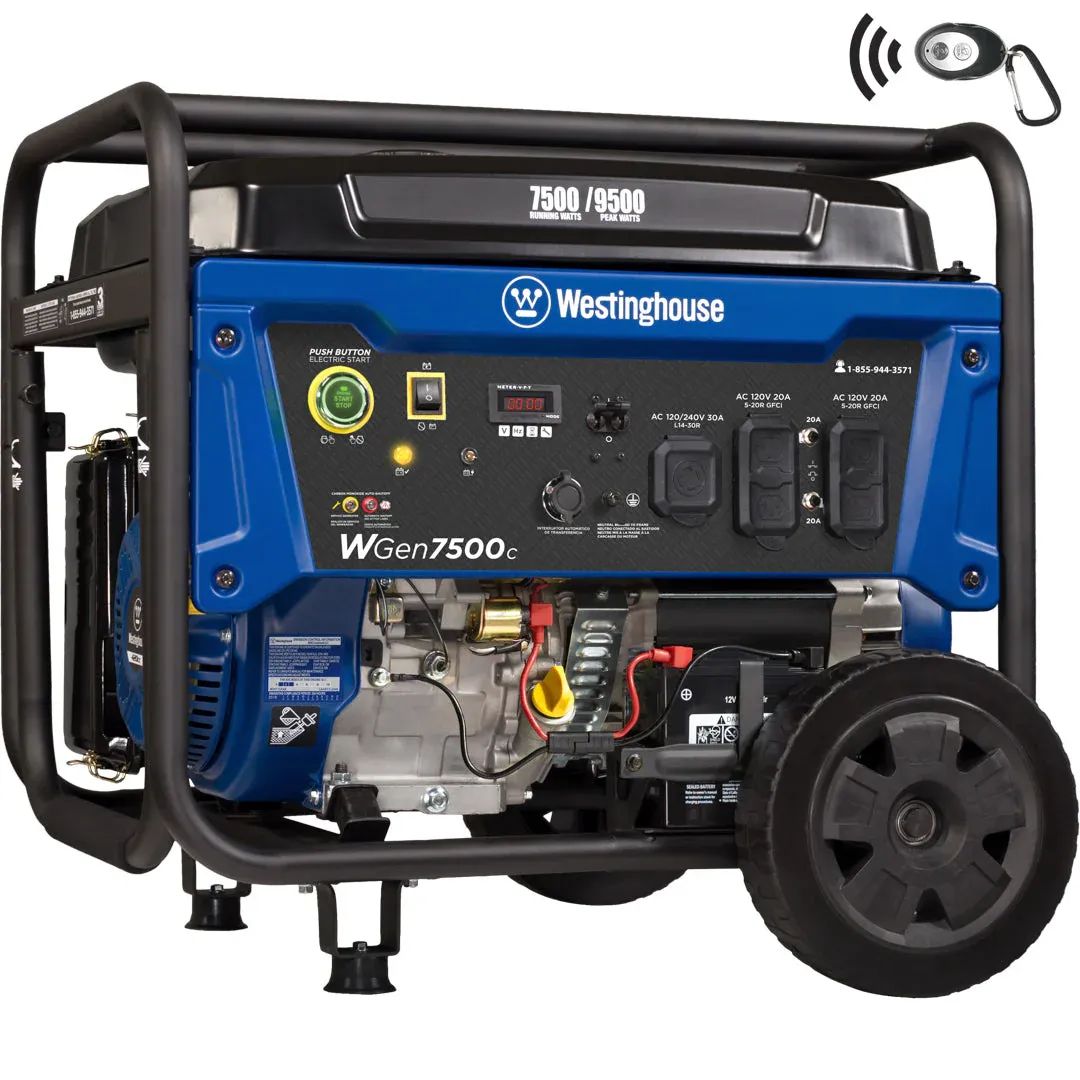
The Westinghouse WGen7500c is a strong value for home backup because it pairs 7,500 running watts with transfer-switch readiness and a CO sensor while staying in a widely accessible price band.
DuroMax XP13000HXT
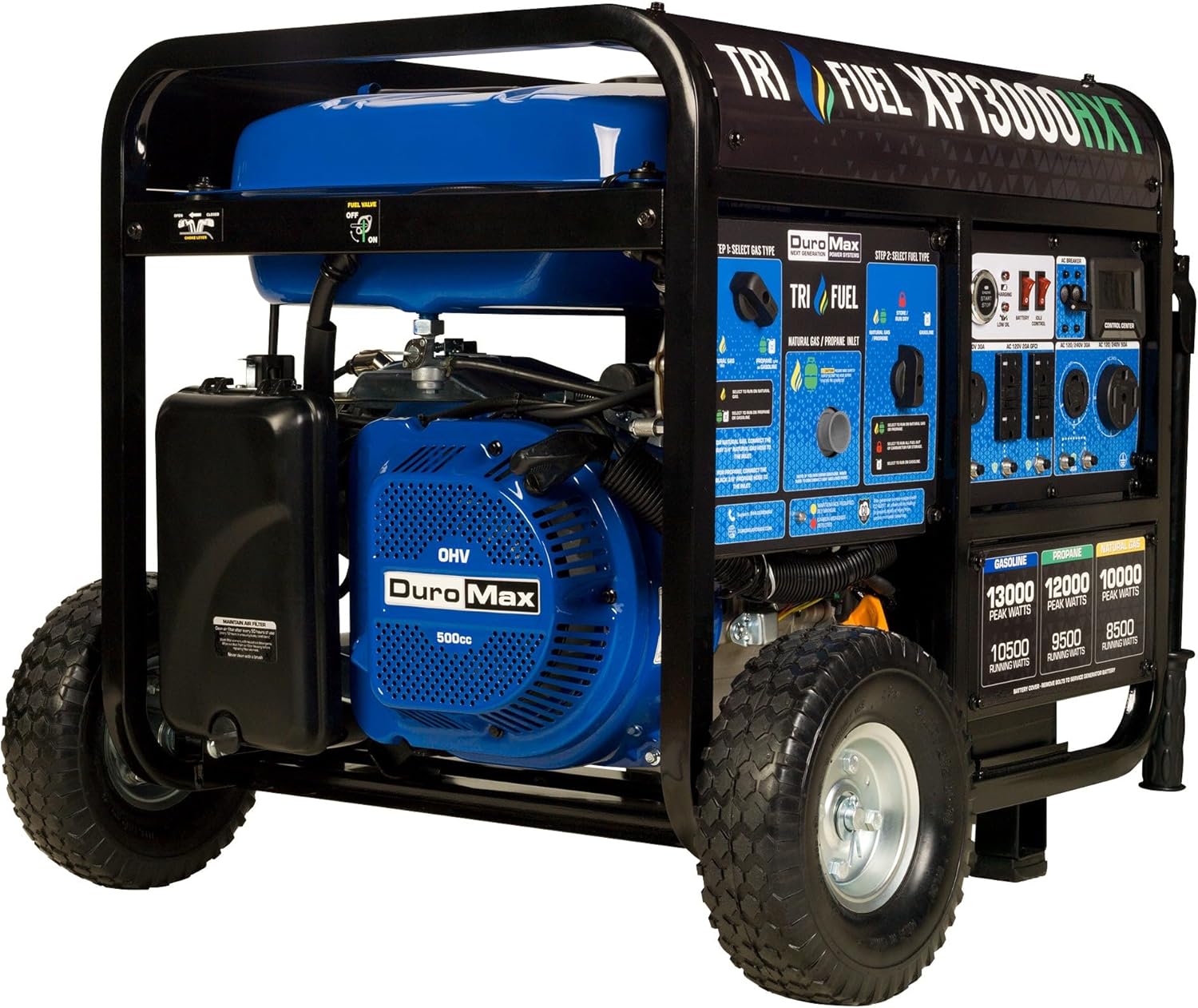
The DuroMax XP13000HXT is the best serious whole-home generator because it provides high-level wattage, tri-fuel flexibility, and long runtime at moderate load.
WEN TF1450X
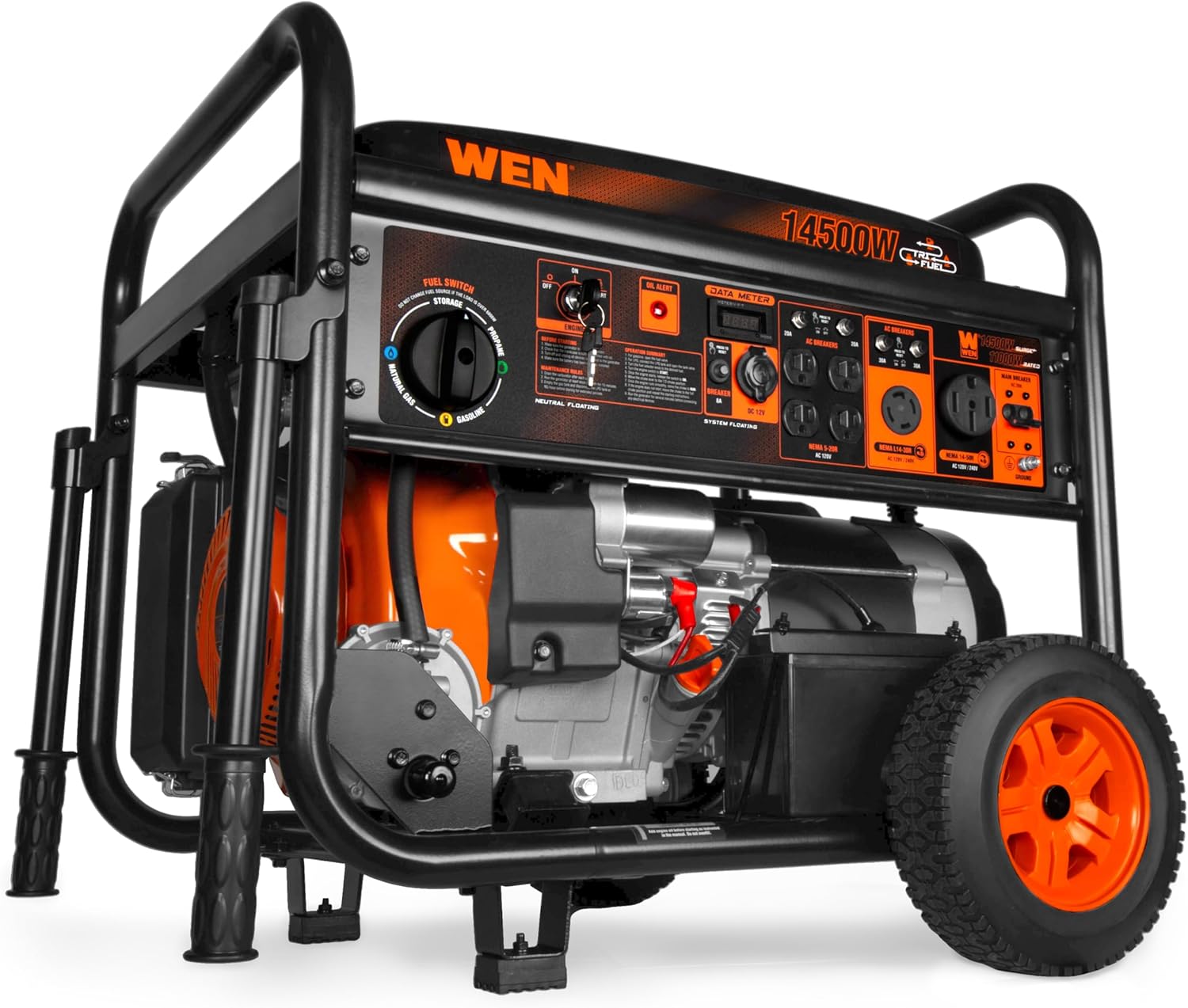
The WEN TF-1450X is a 14,500-watt tri-fuel portable generator running on gasoline, propane, or natural gas. It features electric key start with recoil backup, an automatic CO shutdown sensor, and includes a wheel kit.
Bottom line on installing a portable home generator
A portable generator can supply power to your home when utilities aren’t available. When installed by a licensed professional, a transfer switch provides the safest and simplest way to connect that generator to your home circuit.